


Federal Reserve Bank of New York President John Williams says the risks posed by surging energy prices to both inflation and employment remain "in balance" — and that U.S. monetary policy is well-positioned to keep it that way.
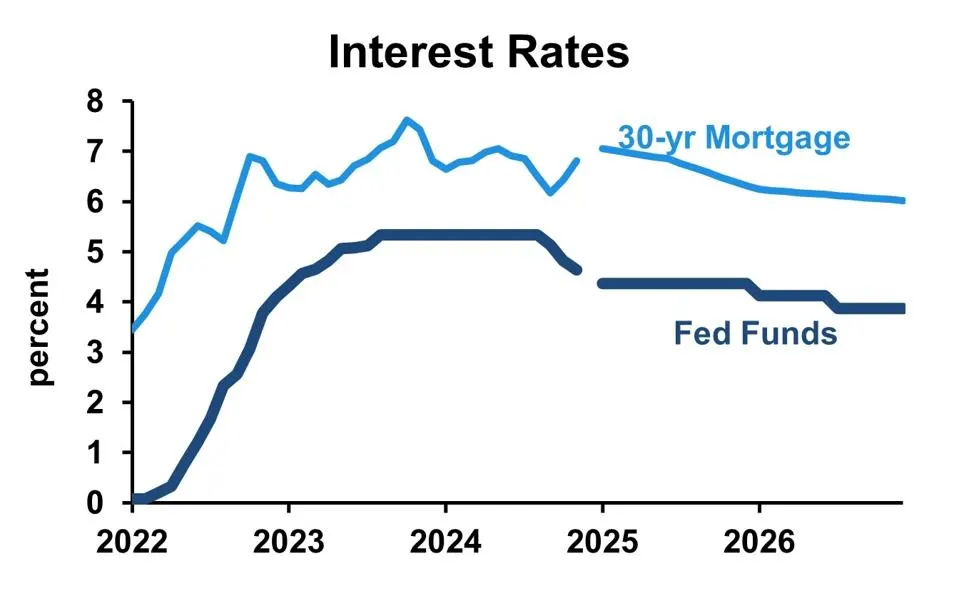
Speaking in a Thursday interview with Fox Business, Williams expressed support for holding interest rates steady, signalling confidence in the central bank's current approach despite mounting global pressures.
"Monetary policy, with the actions we took last year and where we are today, is actually well positioned to keep those risks in balance, and that's what we need to do," Williams said.
The remarks come as Fed officials grapple with how to interpret a sharp rise in energy prices and its potential ripple effects on both growth and consumer prices. The Fed held rates unchanged at its most recent meeting, and policymakers are now closely watching economic data before making any further moves.
Powell Also Signals Steady Hand
Fed Chair Jerome Powell echoed a similarly cautious tone earlier this week, stating that monetary policy is in a good position to assess the economic fallout from the ongoing conflict in Iran, which has contributed to volatility in global energy markets.
For Canadian households and businesses — already feeling the pinch of elevated fuel costs — the Fed's stance carries significant implications. U.S. interest rate decisions often influence the Bank of Canada's own policy calculus, particularly when energy-driven inflation is a shared concern across North America.
Private Credit Sector Not a Systemic Threat, Williams Says
Williams also weighed in on growing concerns in the non-bank lending sector, specifically the private credit market, where some investors have moved to withdraw funds early. He downplayed fears of wider financial contagion.
"I don't see it as a systemic risk to our system right now," Williams said, attributing the turbulence largely to a repricing of underlying loans rather than deeper structural problems.
He added that regulators are "watching carefully" for any exposure across traditional banks, underscoring that vigilance — not alarm — is the current posture of U.S. financial authorities.
For Albertans and Canadians tracking the broader economic landscape, the Fed's steady-as-she-goes approach may offer some reassurance that North American monetary authorities are not preparing for abrupt rate shifts in the near term — though energy market volatility remains a wildcard that could force a reassessment.
Source: Financial Post / Bloomberg. Original reporting by David Chen.