


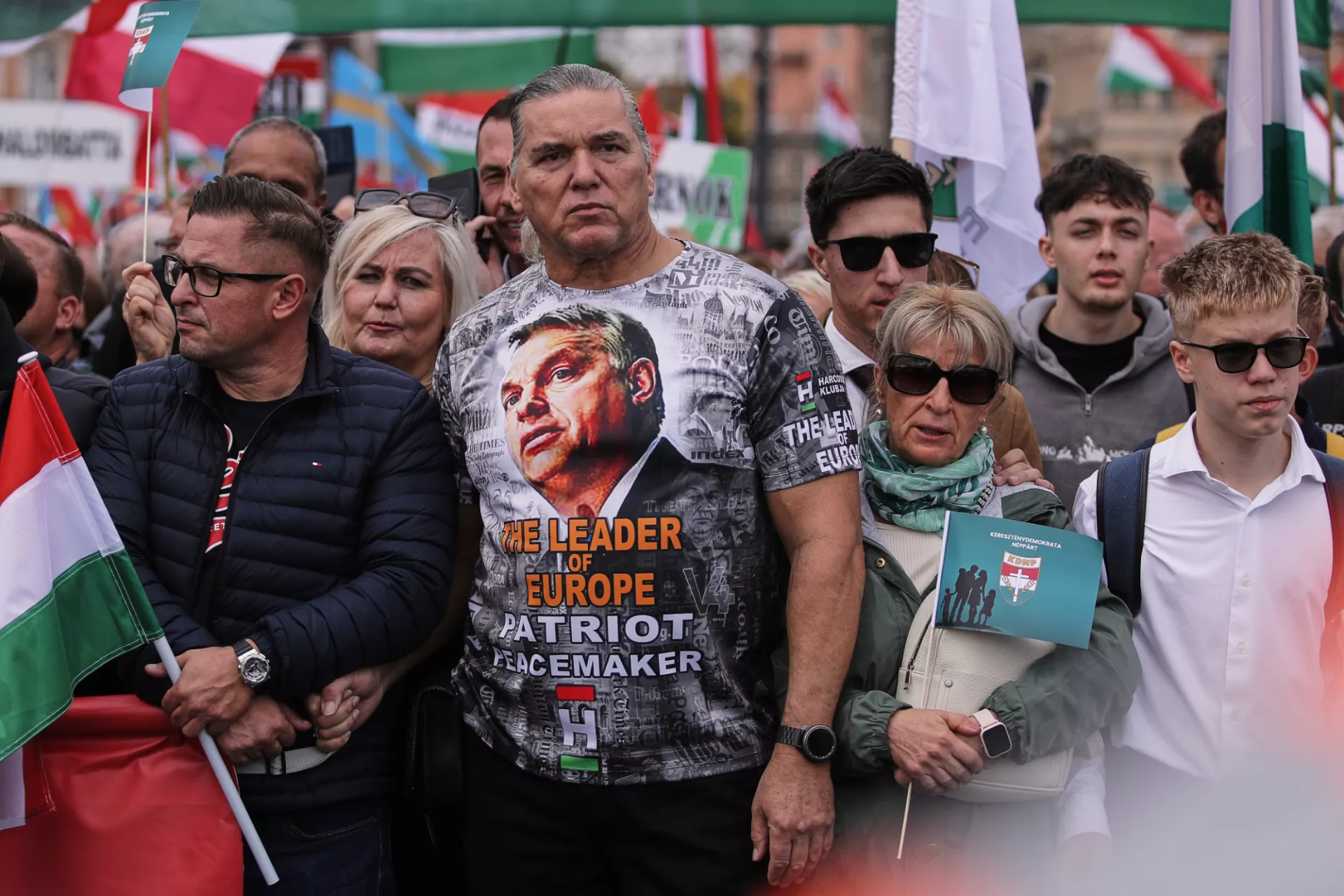
Hungarian Prime Minister Viktor Orban is confronting the most significant political crisis of his 16-year tenure as opposition support surges and fresh scandals emerge just weeks before the country's April 12 elections.
The pro-Kremlin leader has abandoned his typical closed-door campaign events in favour of public rallies, attempting to counter his Fidesz party's declining poll numbers. However, these appearances have frequently been disrupted by opposition protesters, including a particularly contentious confrontation in the western city of Gyor on Friday.
According to a recent Median poll, Peter Magyar's opposition Tisza party has extended its lead to 23 percentage points among decided voters — a margin that could potentially secure a parliamentary supermajority capable of dismantling Orban's self-described "illiberal system."
Intelligence Services Under Fire
The political turbulence intensified this week following explosive allegations from a senior police detective who accused Hungarian intelligence services of illegally distributing the Tisza party's supporter database last year. The government had previously blamed Ukraine for the breach.
The whistleblower's detailed testimony has cast doubt on the Orban administration's credibility, particularly given its increasing adoption of tactics reminiscent of Russian methods to maintain power, including targeting journalists and non-governmental organizations.
While government officials claim the intelligence services were conducting legitimate operations against alleged Ukrainian spies within Tisza rather than targeting the database itself, many Hungarians remain skeptical of these explanations.
Unprecedented Public Opposition
The confrontational scenes at Orban's recent campaign stops represent some of the strongest public displays of animosity the prime minister has faced during his lengthy rule. Opposition supporters have regularly disrupted his speeches with anti-Fidesz slogans in town squares across Hungary.
The mounting pressure reflects growing dissatisfaction with Orban's governance style and policies, as voters increasingly question his administration's democratic credentials and close ties to Moscow.
This article is based on reporting from the Financial Post. Read the original story here.