


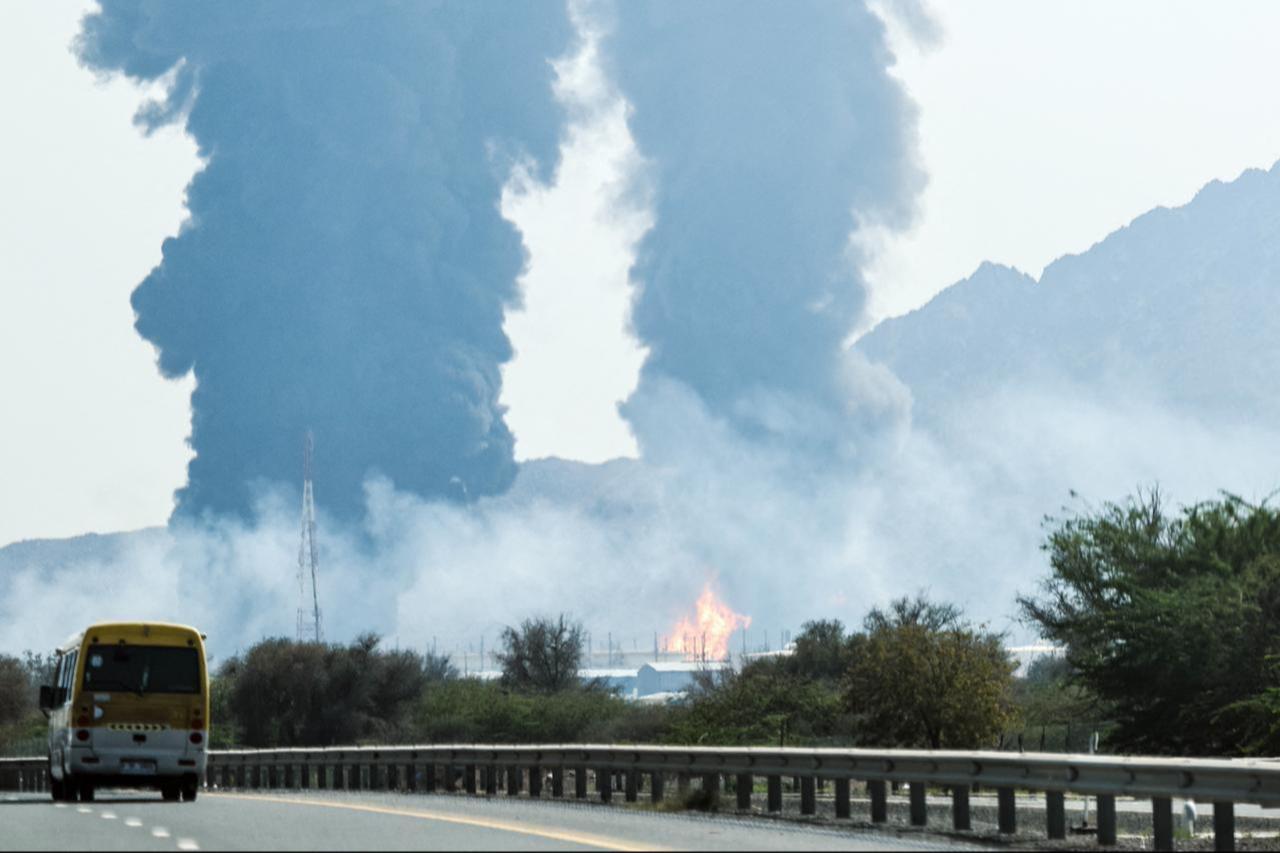
Iranian strikes on Gulf energy infrastructure have intensified dramatically, with Abu Dhabi forced to suspend operations at the United Arab Emirates' largest natural gas processing facility after an attack sparked a fire — coming just hours after key oil infrastructure in Kuwait was also hit.
The Habshan gas facility, operated by Abu Dhabi National Oil Co. (ADNOC), was taken offline after authorities intercepted an incoming attack, with falling debris igniting a blaze at the site, according to the Abu Dhabi Media Office. Habshan serves as the UAE's primary hub for collecting, processing, and distributing natural gas from the emirate's fields for domestic use.
A Month of Relentless Strikes
The attacks mark the latest chapter in a month-long campaign that has seen Iran systematically target energy infrastructure across the Gulf region. The conflict erupted on Feb. 28, following U.S. and Israeli strikes against Iran, triggering a retaliatory campaign that has since crippled refineries, petrochemical plants, and liquefied natural gas facilities throughout the region.
Major oil-producing nations have been forced to significantly slash production as facilities are damaged or taken offline for security reasons, sending shockwaves through global energy markets.
Strait of Hormuz Chokepoint Tightens Global Supply
Perhaps the most consequential development has been the near-closure of the Strait of Hormuz, one of the world's most critical shipping lanes. Iran attacked multiple vessels in and around the Persian Gulf, effectively blocking a waterway that normally carries approximately one-fifth of the global oil supply.
The disruption has sent crude oil prices surging by roughly 50 per cent, pushing the benchmark price toward $110 a barrel — a level that carries significant consequences for consumers across Canada and the rest of the world, including at the fuel pump.
In an attempt to maintain a portion of its crude exports despite the Hormuz blockage, the UAE has been routing shipments through a pipeline running from Habshan to the emirate of Fujairah on the Gulf of Oman coast, effectively bypassing the contested strait. Friday's attack on Habshan now threatens even that workaround.
Iran Issues Further Warnings
Tehran escalated its rhetoric on Friday, issuing direct warnings that it would continue to strike energy infrastructure and other strategic assets — including bridges — in Gulf countries if its own facilities faced similar attacks. The threat signals the conflict may be far from over and that Gulf energy producers remain in the crosshairs.
For Canadian consumers and energy markets, the escalating conflict carries real consequences. Alberta's oil producers stand to benefit from elevated global crude prices in the short term, but sustained disruption to global supply chains and shipping routes could ripple through broader economic indicators, including inflation and fuel costs.
Source: Financial Post. This article is based on reporting originally published by the Financial Post, written by David Chen, with additional context added by WestNet News.