


Diplomatic efforts to end the escalating Iran conflict have hit a critical roadblock after U.S. President Donald Trump cancelled a planned peacekeeping mission, prompting Tehran to reject further negotiations.
Trump instructed top envoys Jared Kushner and Steve Witkoff to abandon their scheduled trip to Pakistan on Saturday, where mediators have been attempting to broker talks between Washington and the Islamic Republic. When questioned by reporters, Trump dismissed Iran's concessions as insufficient, stating the country "offered a lot, but not enough."
The cancellation triggered an immediate response from Iranian leadership. President Masoud Pezeshkian declared that Iran will not participate in "imposed negotiations under threats or blockade," signalling a hardening of Tehran's position.
Global Energy Crisis Looms
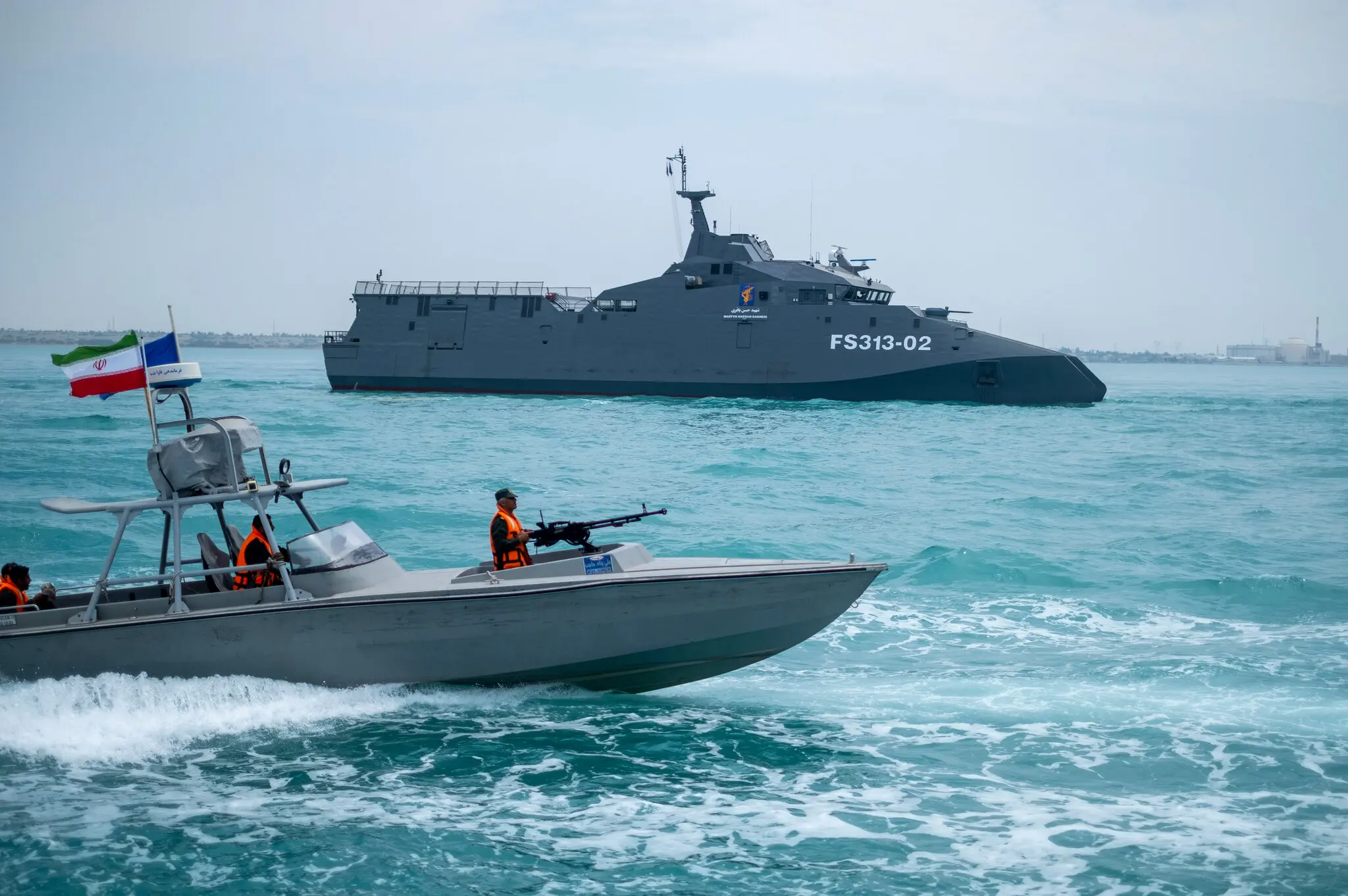
While a ceasefire technically remains in place since early April, both nations continue enforcing naval blockades at the strategically critical Strait of Hormuz—one of the world's most vital energy corridors. The waterway now sits virtually impassable to commercial traffic.
The disruption carries staggering economic consequences. Approximately one-fifth of global oil flows typically transit through the Strait, and the International Energy Agency has labeled the ongoing supply shock the worst in history. The conflict has prompted major economic forecasters to slash growth projections worldwide.
"The disruption to about a fifth of the world's oil supplies has been dubbed the biggest supply shock in history by the International Energy Agency."
The breakdown in diplomatic channels arrives at a precarious moment for global markets already grappling with inflation and economic uncertainty. Canadian consumers and businesses remain exposed to volatile energy prices linked to Middle Eastern instability.
This article is based on reporting from the National Post. Read the original story at National Post.