


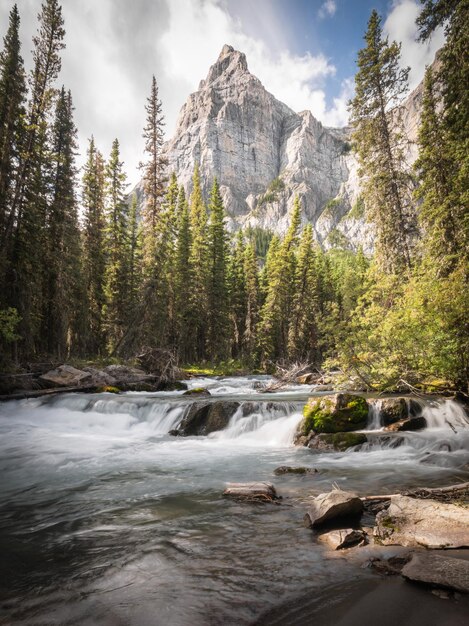
Alberta is embarking on one of its most significant land-use planning initiatives in decades, unveiling a comprehensive sub-regional strategy for the Ghost-Kananaskis area—a sprawling 7,000-square-kilometre landscape that sits at the crossroads of conservation, tourism, and provincial economic growth.
The initiative could reshape how Albertans and visitors experience some of the province's most treasured natural spaces for generations to come. The region, nestled in the Canadian Rockies and adjacent to iconic national and provincial parks, welcomes more than five million visitors annually and serves as a critical water source for southern Alberta.
A Region at the Crossroads
The Ghost-Kananaskis area represents far more than scenic beauty. It's a vital economic engine for Alberta's tourism sector, which the province is targeting to reach $25 billion in annual revenue by 2035. The region also functions as essential wildlife habitat and a water sanctuary for communities across the south.
"This area is one of the most pristine, beautiful environments in the country," said a representative from a local Kananaskis organization, underscoring the stakes involved in the planning process.
Environment and Protected Areas Minister Grant Hunter has made completing the sub-regional plan a priority, aiming for completion by year-end 2026. Hunter emphasized the plan's dual purpose: providing direction to land users while gathering crucial information about what residents and visitors value in the region.
Legacy of Protection, Questions About Implementation
The Ghost-Kananaskis planning effort builds on Alberta's established conservation legacy. Kananaskis Country itself was created in 1978 under former Premier Peter Lougheed, establishing a 4,000-square-kilometre protected region that balanced outdoor recreation with minimal resource extraction. The Ghost region has received similar protections and has experienced surging visitation in recent years.
However, critics raise concerns about whether new planning will translate into meaningful action. Sarah Elmeligi, NDP MLA for Banff-Kananaskis and shadow minister for environment and protected areas, warned that ambitious timelines must be matched with adequate resources and genuine public engagement.
"It's actually quite complicated and we need to make sure public consultation and First Nations engagement is done thoroughly," Elmeligi said. A former Alberta Parks planner herself in the Kananaskis region, she noted that Ghost has undergone multiple consultations over the past two decades without seeing tangible results.
The Stakes for Alberta's Tourism Future
Conservation leaders say the moment demands careful, long-term thinking. Adam Linnard, manager of landscape protection for the Yellowstone to Yukon Conservation Initiative, stressed that cumulative environmental impacts must guide decision-making.
"If Paris let the Eiffel Tower collapse, people might think twice about visiting France. Banff is Alberta's Eiffel Tower. It's our iconic global draw," Linnard said. "We support our tourism industry as a whole when we support Banff and when we support our parks and protected areas across the province."
The post-pandemic surge in visitation underscores both the opportunity and the challenge. With millions choosing to explore Ghost-Kananaskis each year, the region faces mounting pressure on trails, facilities, and ecosystems—making thoughtful planning essential.
The Alberta government is now accepting feedback on its proposed sub-regional plan. Residents, businesses, conservation groups, and Indigenous communities are encouraged to participate in the consultation process as the province charts its course for one of Canada's most critical landscapes.
This article is based on reporting from CBC Calgary.