


Rare, high-level talks between Israeli and Lebanese officials are underway in Washington this week—yet across Beirut and beyond, there's a crushing sense that peace remains impossibly distant.
The bilateral negotiations represent one of the first direct diplomatic engagements in years between the two nations. However, analysts, observers, and devastated families on the ground believe meaningful progress toward a ceasefire is unlikely.
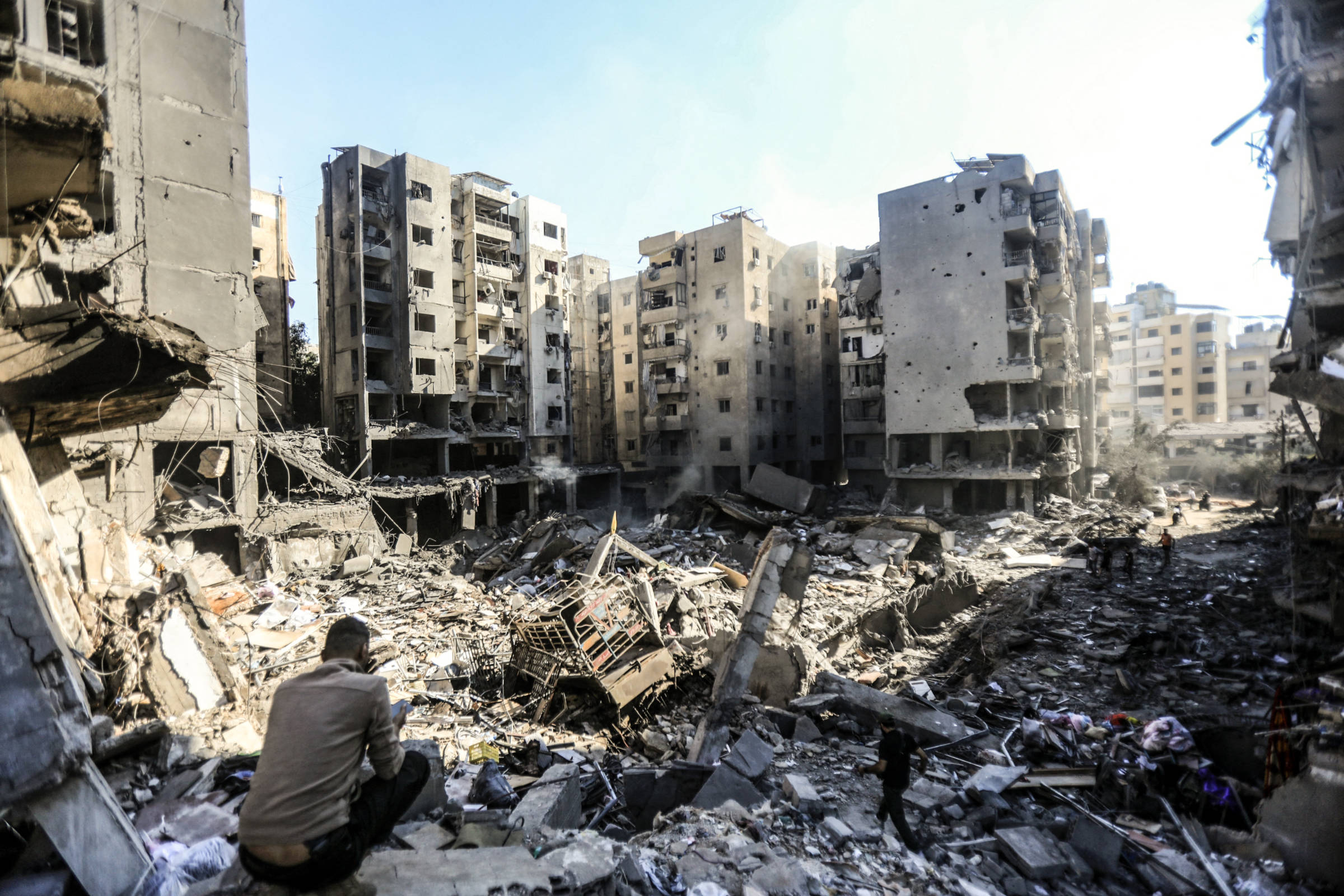
The grim backdrop: Last Wednesday, Israel launched what it describes as a precision strike against Hezbollah targets in southern Beirut's Dahiyeh neighbourhood. The assault killed more than 300 people and injured over 1,000, marking the deadliest single day in Lebanon since the conflict escalated.
The Human Cost
Among those killed was Abbas Khaireddine, a 19-year-old university student finishing his final year in hotel management. He was at home, unarmed and uninvolved in any militant activity, when an Israeli missile struck his apartment building.
"He was sitting at home, an innocent civilian, no weapons, nothing," his father Mohamad Khaireddine told reporters during a visit to the damaged neighbourhood.
The building was obliterated. At least seven others died in the same strike. In a neighbouring residence, an entire family—including an architect and a coach—were killed.
"Where are those terrorists? It doesn't seem like they had any weapons with them," Khaireddine asked, gesturing at the rubble where his neighbours had lived.
Israel's Perspective
The Israel Defence Forces maintain that Wednesday's attacks targeted "terror targets," including Hezbollah headquarters, military institutions, and related infrastructure. Israeli officials claim they eliminated more than 250 militants in the operation, though they have provided no direct evidence to support those figures.
Hezbollah, designated as a terrorist organization by Israel and several Western nations, maintains a significant presence in the southern Beirut suburb.
A City in Crisis
The emotional and physical devastation is evident throughout Beirut. Residents report an overwhelming sense of hopelessness and despair as the country grapples with yet another cycle of destruction in its long, conflict-scarred history.
At Makassed General Hospital, medical staff are visibly traumatized. Chief Medical Officer Dr. Wael Jarouch described his team as "drained" and "devastated" after treating 80 victims from last week's barrage alone.
"You live in a situation that you can't plan for tomorrow. We are taking it day by day," Dr. Jarouch said.
The unmistakable smell of decaying flesh still rises from debris sites across the southern suburbs, where bodies remain buried and recovery efforts continue.
Skepticism Over Negotiations
While Washington talks represent a rare diplomatic opening, few believe meaningful progress will emerge. The scale of last week's destruction, combined with deep historical grievances and the involvement of Hezbollah—a complex political and militant organization embedded in Lebanese society—makes any swift resolution appear unrealistic.
For families like the Khaireddines, no ceasefire agreement can restore what was lost. As negotiations proceed in the American capital, Lebanon remains locked in a cycle of trauma, recovery, and renewed conflict that has defined the nation for decades.
This article is based on reporting from CBC News. Read the original report at CBC News World.