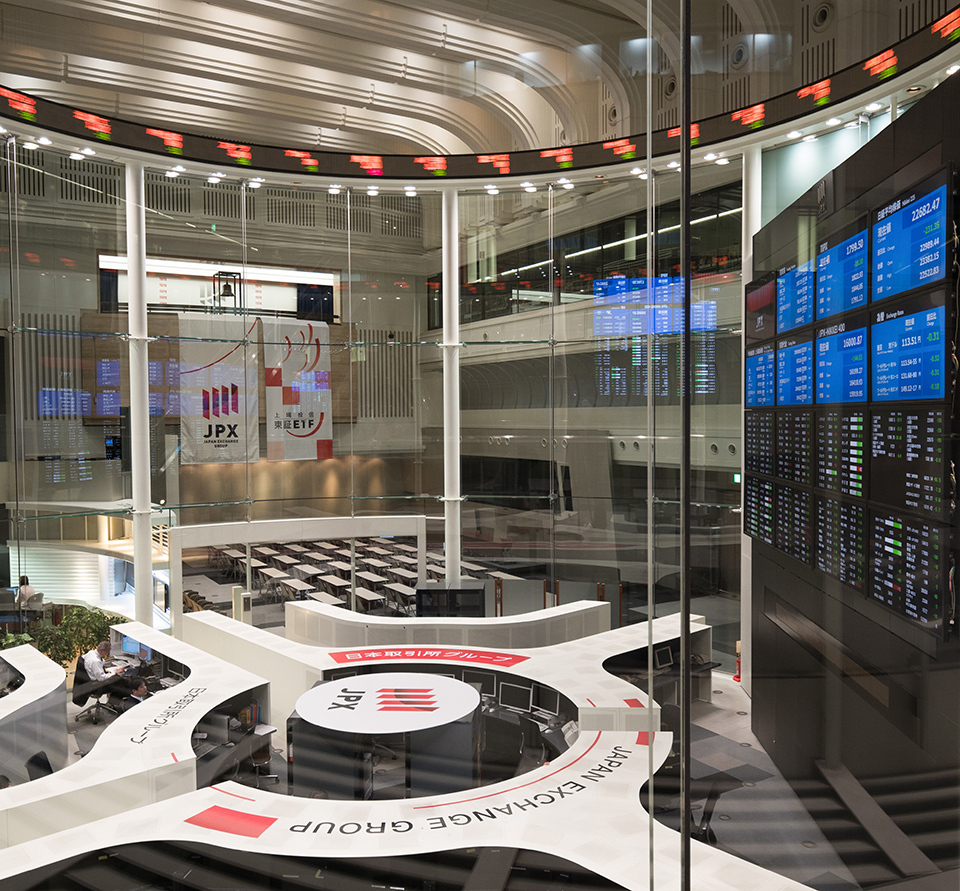
Japanese equity markets surged Tuesday as investors welcomed news of delayed military action against Iranian energy infrastructure, signalling reduced geopolitical risk and boosting appetite for riskier assets.
The Topix index closed 2.1 per cent higher at 3,559.67, while the benchmark Nikkei 225 gained 1.4 per cent to 52,252.28. The rally was led by insurers, banks and trading companies, breaking a two-day decline that had weighed on Japanese markets.
The rebound came after concerns about escalating Middle East tensions had pressured Asian markets, with investors worried that rising oil prices would squeeze corporate earnings and economic growth across the region.
Oil Price Volatility Reflects Market Uncertainty
Oil markets remained volatile amid the shifting geopolitical landscape. Crude prices initially dropped 10 per cent following comments about potential diplomatic progress, but Brent crude later recovered to trade around US$103 per barrel by mid-afternoon in Tokyo.
The energy sector's volatility has been a key driver of market sentiment, as higher oil prices typically increase costs for energy-importing nations like Japan and other Asian economies.
"Stocks are rebounding for now on signs that the war could be nearing an end," said Hiroyuki Ueno, chief strategist at Sumitomo Mitsui Trust Asset Management Co. "Things are unclear, but investors assume some kind of negotiations must be happening behind the scenes."
Diplomatic Developments Fuel Market Optimism
The market rally followed reports of "productive conversations" regarding the Iran situation, with military strikes on energy infrastructure reportedly delayed for another five days. However, Iranian officials have denied any direct diplomatic engagement.
Adding complexity to the regional situation, Saudi Arabia and the United Arab Emirates have reportedly taken steps that could expand their involvement in the conflict, according to recent media reports.
For Canadian investors with exposure to Japanese markets or global energy sectors, the developments highlight the interconnected nature of geopolitical risks and market performance. The volatility in oil prices particularly affects energy-producing provinces like Alberta, where fluctuations in global crude markets directly impact the local economy.
The mixed signals from the Middle East continue to create uncertainty for global markets, with investors closely monitoring diplomatic developments that could either escalate or de-escalate regional tensions.
This article is based on reporting by David Chen, originally published in the Financial Post. Read the original story.