


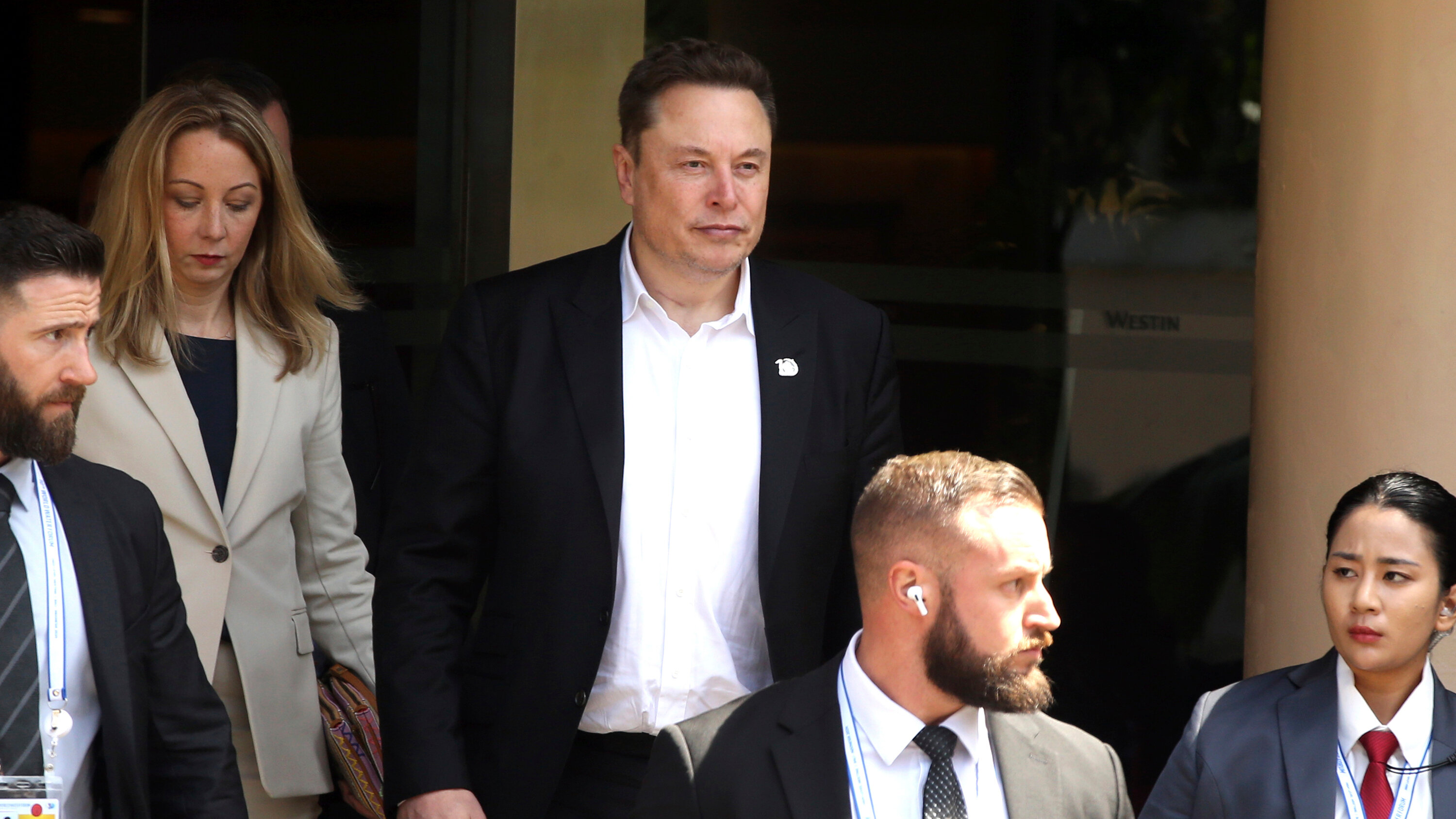
The tech world's most dramatic courtroom clash kicked off Monday as Elon Musk and OpenAI squared off in a California courthouse, launching what industry watchers are calling a "tech soap opera" that will captivate Silicon Valley and beyond.
At the heart of the dispute: Musk's allegation that OpenAI co-founders, including Sam Altman, abandoned their original mission to develop artificial intelligence for humanity's benefit and instead pivoted to chasing massive profits. Jury selection began this week in what promises to be a legal battle filled with explosive revelations about how one of the world's most influential AI companies evolved from non-profit ideals to a multi-billion-dollar enterprise.
"This is a tech soap opera," industry analysts predict, expecting "a lot of dirt and slings" to be tossed as the case unfolds over the coming weeks.
David and Goliath in the AI Age
The clash pits the world's wealthiest individual against a startup he once championed and funded. Today, the two are fierce competitors in the booming artificial intelligence sector. OpenAI's ChatGPT dominates the conversational AI market, while Musk's xAI lab has developed Grok, a rival chatbot battling for market share and cultural relevance.
The lawsuit centres on whether OpenAI's founding members violated a core agreement to keep the organization focused on safe, beneficial AI development rather than maximizing shareholder returns. For Canadian tech enthusiasts and those tracking AI's rapid evolution, this trial offers rare insight into how these industry titans view artificial intelligence, competition, and corporate responsibility.
What's at Stake
Beyond the personal rivalry between Musk and Altman, the case raises fundamental questions about AI's future trajectory. Should artificial intelligence be developed primarily as a public good, or is competitive capitalism the best path forward? How much transparency should AI companies provide to the public? These questions will echo far beyond the courtroom, influencing policy discussions in Canada, the United States, and globally.
Observers expect testimony to reveal internal emails, board decisions, and strategic pivots that transformed OpenAI from a non-profit mission into a profitable powerhouse backed by major corporations and investors. Each revelation could reshape public perception of how AI's most influential companies operate behind closed doors.
"The legal clash in a courtroom across the bay from San Francisco pits the world's richest person against a startup Musk once backed and now competes with in the booming AI sector."
As jury selection continues, legal experts anticipate months of testimony examining everything from founding documents to boardroom conversations that will provide unprecedented access to how two of AI's most significant figures view their responsibilities to humanity, their shareholders, and each other.
This article is based on reporting from the National Post. Read the original story at nationalpost.com.