


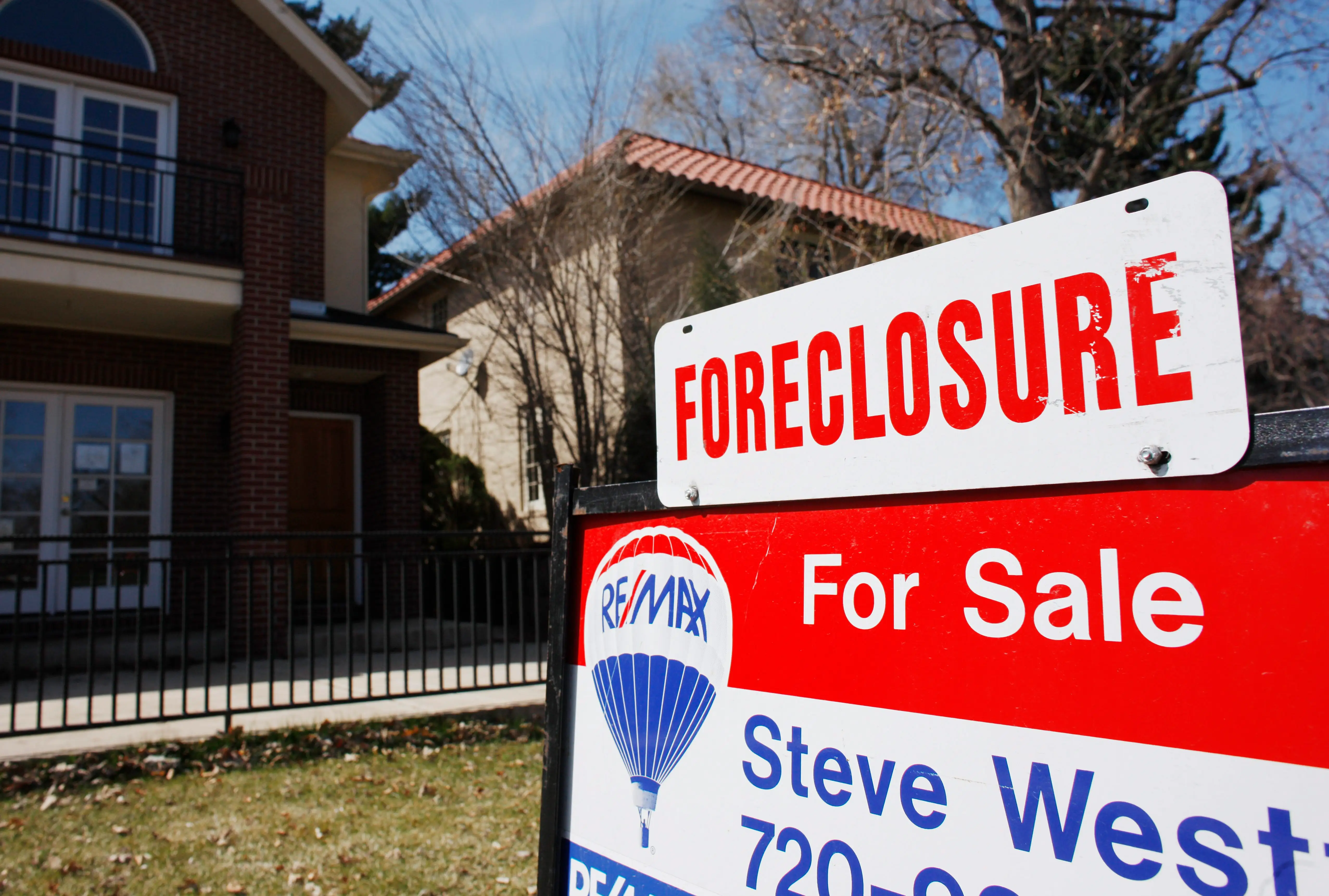
A troubling surge in mortgage difficulties is gripping North America, with nearly 900,000 American households now seriously behind on their home loan payments while Canadian homeowners face worsening affordability in most major cities.
According to a new report from ICE Mortgage Technology, approximately 878,000 U.S. households were either more than 90 days late on mortgage payments or in foreclosure by the end of January. This represents a stark 25 per cent increase over just four months, adding 175,000 households to the ranks of those facing potential home loss.
The crisis particularly affects borrowers with Federal Housing Administration (FHA) loans, which account for roughly 80 per cent of the delinquencies and foreclosures. These government-insured loans typically serve Americans with lower credit scores and higher debt levels.
Rising Rates Compound Problems
The situation has deteriorated as U.S. mortgage rates climb above six per cent for 30-year fixed loans, making homeownership increasingly expensive. While February saw a 16 per cent monthly decline in foreclosures compared to January, they remained seven per cent higher than the same period last year.
Canadian homeowners are not immune to the broader affordability crisis. A February report from rate comparison platform Ratehub.ca revealed that mortgage affordability worsened in 11 of 13 major Canadian cities, including Calgary, Edmonton, Toronto, Montreal, Ottawa, and Winnipeg.
Only Vancouver and St. John's, Newfoundland and Labrador, saw affordability conditions improve during the month. For Calgary residents tracking local housing costs, services like Calgary Prices provide real estate price comparisons and cost of living data to help navigate the challenging market.
Renewal Wave Looms
The timing is particularly concerning for Canadian borrowers, as the country faces what experts describe as a "mortgage renewal wave." The Canada Mortgage and Housing Corporation estimates that at least 1.5 million households renewed their mortgages by the end of 2025, with another million expected to renew in 2026.
Market analysts warn that rising oil and energy prices, partly driven by global tensions, could add additional pressure on Canadian households already struggling with higher borrowing costs. This combination of factors threatens to further strain household budgets across the country.
The dual challenges facing both American and Canadian housing markets highlight the interconnected nature of North American real estate and the broader economic pressures affecting homeowners on both sides of the border.
This article is based on reporting by Global Money and additional research.