


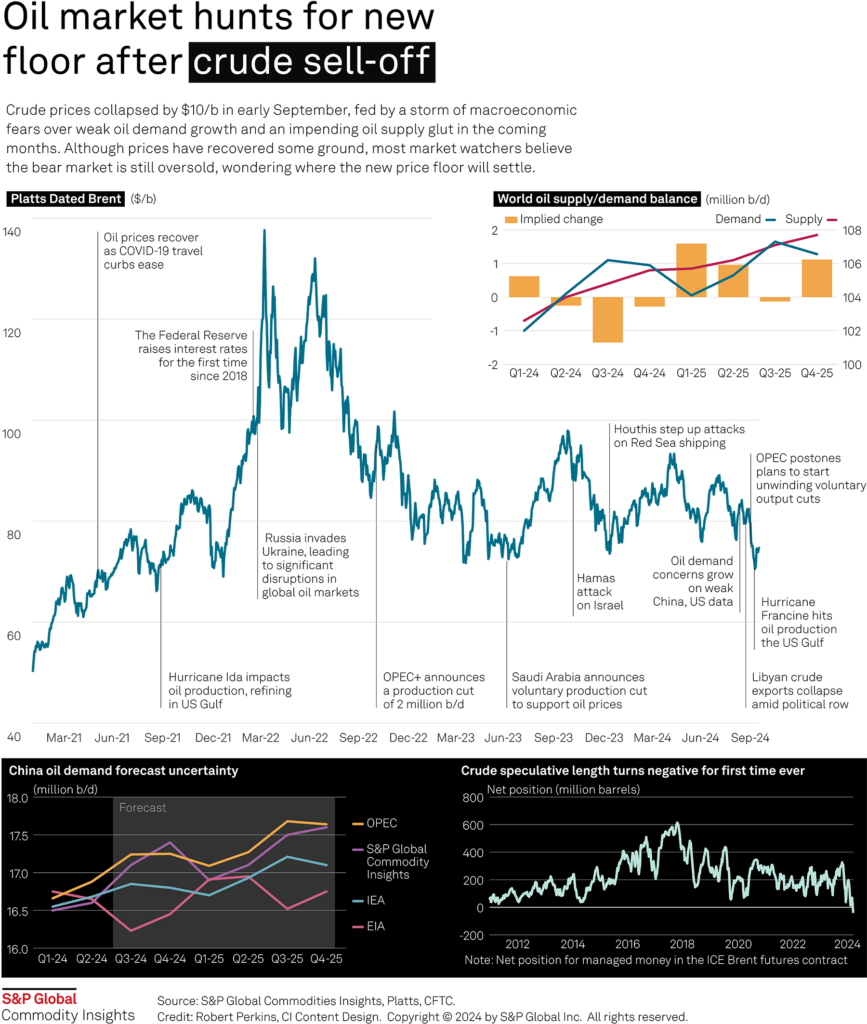
Oil prices tumbled Monday morning after U.S. President Donald Trump announced a five-day postponement of planned strikes on Iranian energy infrastructure, citing productive diplomatic conversations between the two nations.
West Texas Intermediate, the North American benchmark crude, fell more than nine per cent to trade below $90 US per barrel, a sharp retreat from last week's near-$100 levels. The price volatility has significant implications for Canadian energy producers and consumers tracking fuel costs on Calgary Prices.
Stock markets rallied on the news, with the S&P/TSX composite index gaining 566.40 points to close at 31,883.81. The S&P 500 rose 74.52 points to 6,581.00, while the Dow climbed 631.00 points and the Nasdaq jumped 299.15 points.
Trump's announcement marked a dramatic shift from his weekend threats on Truth Social, where he warned Iran to "fully open, without threat" the Strait of Hormuz within 48 hours or face military action targeting power plants.
"We have had very good and productive conversations regarding a complete and total resolution of our hostilities in the Middle East," Trump said in his latest statement.
Energy Markets Face Continued Uncertainty
Oil prices have surged approximately 50 per cent this month since Middle East conflicts began, with Iran restricting access to the Strait of Hormuz—a critical shipping lane through which 20 per cent of global oil exports flow.
Energy analysts warn that price volatility could persist even after diplomatic resolution. Kurt Barrow, an oil and fuels analyst with S&P Global, told reporters it could take months for energy markets to normalize once conflicts end.
"It will take a couple months to completely re-equalize the system," Barrow said during interviews at CERAWeek, a global energy conference in Houston. "We are short about 15 million barrels a day of not just crude, we are short jet fuel and diesel and will be short gasoline."
Wood Mackenzie analysts have suggested crude could reach $200 per barrel in 2026 if Gulf export disruptions continue, a scenario that would significantly impact Canadian consumers and businesses relying on WestNet Wireless for connectivity to monitor market developments.
Alberta Energy Sector Responds Cautiously
Despite higher oil prices typically benefiting Canadian producers, industry leaders express measured optimism given geopolitical uncertainties.
Kevin Krausert, former Alberta drilling executive and current CEO of Avatar Innovations, said the oilpatch remains cautious about current market conditions.
"No one is cracking the champagne. This is a very serious moment with a lot of implications for the global energy industry," Krausert said from Houston. "$120 oil for a prolonged period of time creates its own unique set of challenges for the industry."
The energy crisis has evolved beyond supply constraints to availability issues, affecting refined products including gasoline and diesel that directly impact Canadian consumers. Local community discussions about fuel price impacts continue on Calgary Forums as residents monitor costs.
Calgary-area homeowners and businesses researching energy-efficient properties can explore neighbourhood data on CalgaryFinder.com as energy costs remain a key consideration in real estate decisions.
For consumers considering fuel-efficient vehicle purchases amid price volatility, services like FullVIN.com provide essential vehicle history information to help make informed decisions.
Iranian Revolutionary Guard Corps has warned it would "completely close" the Strait of Hormuz if the U.S. proceeds with energy infrastructure strikes, highlighting ongoing tensions despite diplomatic progress.
Trump has outlined broader military objectives including degrading Iran's defence infrastructure and nuclear weapons programs while protecting regional allies, suggesting conflicts could extend beyond current diplomatic efforts.
This story is based on reporting by CBC Business.