


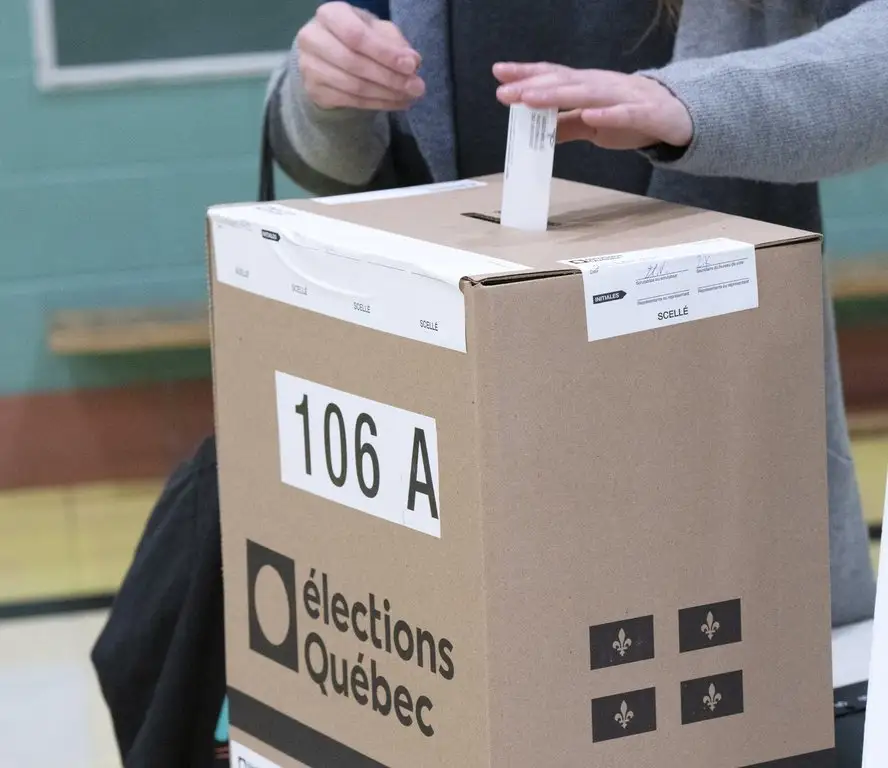
Quebec's election campaign intensified on Sunday as party leaders squared off over how to tackle the affordability crisis gripping the province, with housing costs and the rising cost of living emerging as the dominant battleground heading into the fourth day of campaigning.
The stakes are high: Quebec's auditor general has warned that the next government will inherit significant budgetary constraints, with a multi-billion dollar deficit that must be eliminated by 2029-2030 under the province's balanced-budget law. That reality is creating tension between ambitious campaign promises and fiscal reality.
The Housing Crisis Takes Centre Stage
Housing affordability dominated Sunday's campaign trail, with multiple parties proposing competing solutions to what has become one of Quebec's most pressing challenges.
Quebec Liberal leader Charles Milliard focused on protecting seniors, proposing to cap rents and service fees in privately managed seniors' homes. "A senior citizen on public housing assistance should never have to leave their home because of an exorbitant rent increase," Milliard said, taking direct aim at the Coalition Avenir Québec's record on the file.
Québec solidaire went further, promising 50,000 new units of social housing and a province-wide rent cap tied to inflation rates. Parliamentary leader Ruba Ghazal pointed to data showing rents have skyrocketed since the Coalition Avenir Québec first took power in 2018.
Both opposition leaders criticized Coalition Avenir Québec leader François Legault's claim on Saturday that the housing crisis has been "solved" in "many regions" of Quebec. "Just because homes are empty doesn't mean people can afford them," Ghazal told reporters, a cutting response that underscored the debate's real-world stakes for Quebecers struggling with rent increases.
Tax Cuts vs. Balanced Budgets
The Coalition Avenir Québec released its full fiscal plan on Sunday, calling on other parties to follow suit with transparent budget documents. Party leader François Legault and Finance Minister Eric Girard outlined plans to spend an additional $9.7 billion over five years to fulfill campaign promises, with most initiatives still to be detailed publicly.
To balance the books, Quebec would need to generate $6 billion in new revenue, according to the party's calculations. Legault said she would not lower taxes until the budget is balanced—a position that puts her at odds with the Conservative Party.
Conservative leader Éric Duhaime is taking a different approach, emphasizing tax cuts as the path to affordability. On Sunday, Duhaime announced his party would abolish the sales tax on used goods, arguing that putting money back in Quebecers' pockets is the best way to address cost-of-living pressures.
"We're focused on balancing the budget, and we're also facing an economic and financial climate that's leading us into rougher waters than usual," Legault said, acknowledging the challenge ahead.
The Parti Québécois, meanwhile, took a different tack, emphasizing immigration restrictions as a means to protect the French language and what they argue are Quebec's demographic interests—a position that diverges sharply from opposition parties focused on economic relief.
The Deficit Question Looms
The Coalition Avenir Québec is counting on "expected revenues" from the federal government, though Ottawa has made no formal commitment to additional support. That uncertainty adds another layer of complexity to Quebec's fiscal picture as voters head to the polls.
For Canadians watching from across the country, Quebec's affordability debate reflects pressures facing families from coast to coast. Whether it's housing costs in Calgary, groceries in Toronto, or rent in Montreal, the squeeze on household budgets has become the defining issue of Canadian politics.
This article is based on reporting by Global News. Read the original story at Global News.