


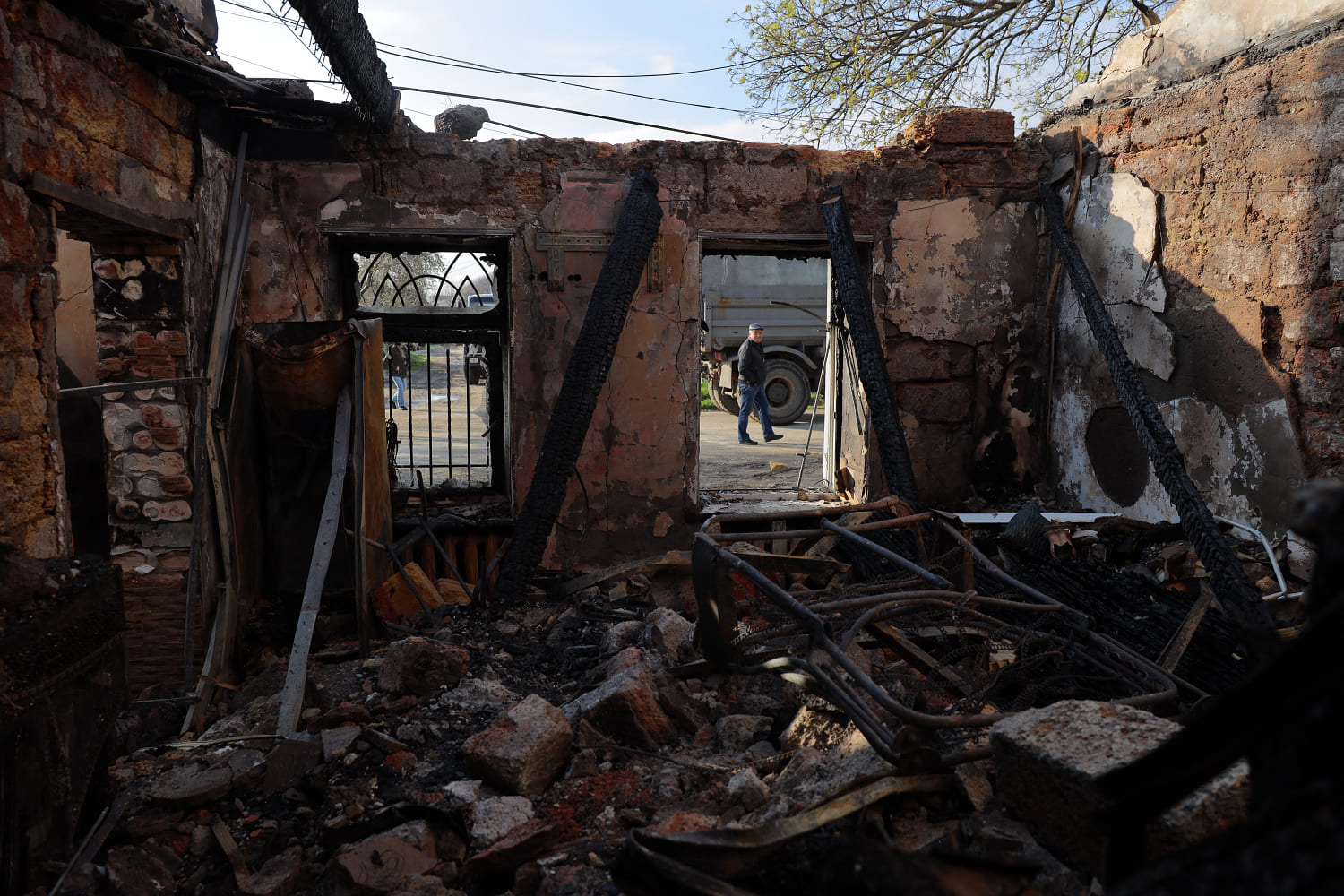
Russian forces launched a heavy barrage of drone attacks on the Black Sea port city of Odesa early Saturday, killing at least two people and wounding two others, just hours before a proposed 32-hour Orthodox Easter ceasefire was set to begin.
The strikes hit residential neighbourhoods, damaging apartment buildings, houses, and a kindergarten facility, according to local authorities. The attack underscored the brutal reality of the ongoing conflict even as both Moscow and Kyiv signalled willingness to observe the holiday truce.
Ukraine's Air Force reported that Russia launched 160 drones overnight, with Ukrainian air defences successfully intercepting or destroying 133 of them. Russia's Defence Ministry countered that its forces shot down 99 Ukrainian drones across Russian territory and occupied Crimea during the same period.
Putin Orders Ceasefire; Zelenskyy Responds with Cautious Optimism
Russian President Vladimir Putin declared the 32-hour ceasefire on Thursday, ordering his forces to stand down from 4 p.m. Saturday through the end of Sunday to mark the Orthodox Easter holiday.
Ukrainian President Volodymyr Zelenskyy confirmed Saturday that his government would respect the truce, calling it a potential stepping stone toward broader peace negotiations. "Easter should be a time of silence and safety," Zelenskyy wrote on social media. "A ceasefire at Easter could also become the beginning of real movement toward peace."
However, Zelenskyy's statement came with a pointed caveat: "We all understand who we are dealing with. Ukraine will adhere to the ceasefire and respond strictly in kind." The warning reflected widespread Ukrainian scepticism about Russian intentions, given previous failed ceasefire attempts.
"Easter should be a time of silence and safety. A ceasefire at Easter could also become the beginning of real movement toward peace." — President Zelenskyy
Ukraine had previously proposed a mutual pause in attacks on energy infrastructure during the Orthodox Easter period—a gesture Moscow has not explicitly acknowledged.
Prisoner Exchange Brings 175 Home
On Saturday, Russia and Ukraine conducted a significant prisoner exchange, with both sides returning captured combatants and civilians. Russia's Defence Ministry reported that 175 Russian soldiers were returned, while Zelenskyy confirmed that 175 service members and seven civilians were released by Russia.
"Most had been held in captivity since 2022. And finally, they are home," Zelenskyy posted on X (formerly Twitter), accompanied by images of reunions.
At an exchange site in northern Ukraine, Svitlana Pohosyan waited for her son's return. When asked about the ceasefire prospects, she expressed guarded hope: "I want to believe it. God willing, may it be so. We will believe and hope that everything will be fine, that a ceasefire will come on such a holy day, and that there will be peace—peace in Ukraine and peace in the whole world."
Kremlin Signals Humanitarian Gesture, but No Compromise on Goals
Kremlin spokesman Dmitry Peskov characterized Putin's ceasefire declaration as a "humanitarian" gesture on Friday. However, Moscow signalled that the pause does not represent any shift in its fundamental demands for a comprehensive settlement—a position that has remained a critical obstacle to meaningful peace talks.
Previous ceasefire attempts have produced minimal results, with both sides routinely accusing the other of violations. The success or failure of this Easter truce may provide early indicators of whether either side is genuinely interested in de-escalation.
This report is based on information from NBC News.