


Two of the world's largest technology companies are making dramatic staffing moves this week, signalling a major shift in how Big Tech plans to compete in the artificial intelligence era.
Meta Platforms announced Thursday it will lay off approximately 8,000 workers—about 10 per cent of its global workforce—as the company prioritizes massive spending on AI infrastructure and highly compensated artificial intelligence specialists. The company also plans to leave roughly 6,000 positions unfilled, compounding the impact on its headcount.
The social media giant justified the cuts as necessary to improve operational efficiency and redirect resources toward high-growth areas of the business. However, industry analysts say the real driver is the staggering cost of building and maintaining the computational infrastructure required for modern AI systems.
The AI spending squeeze
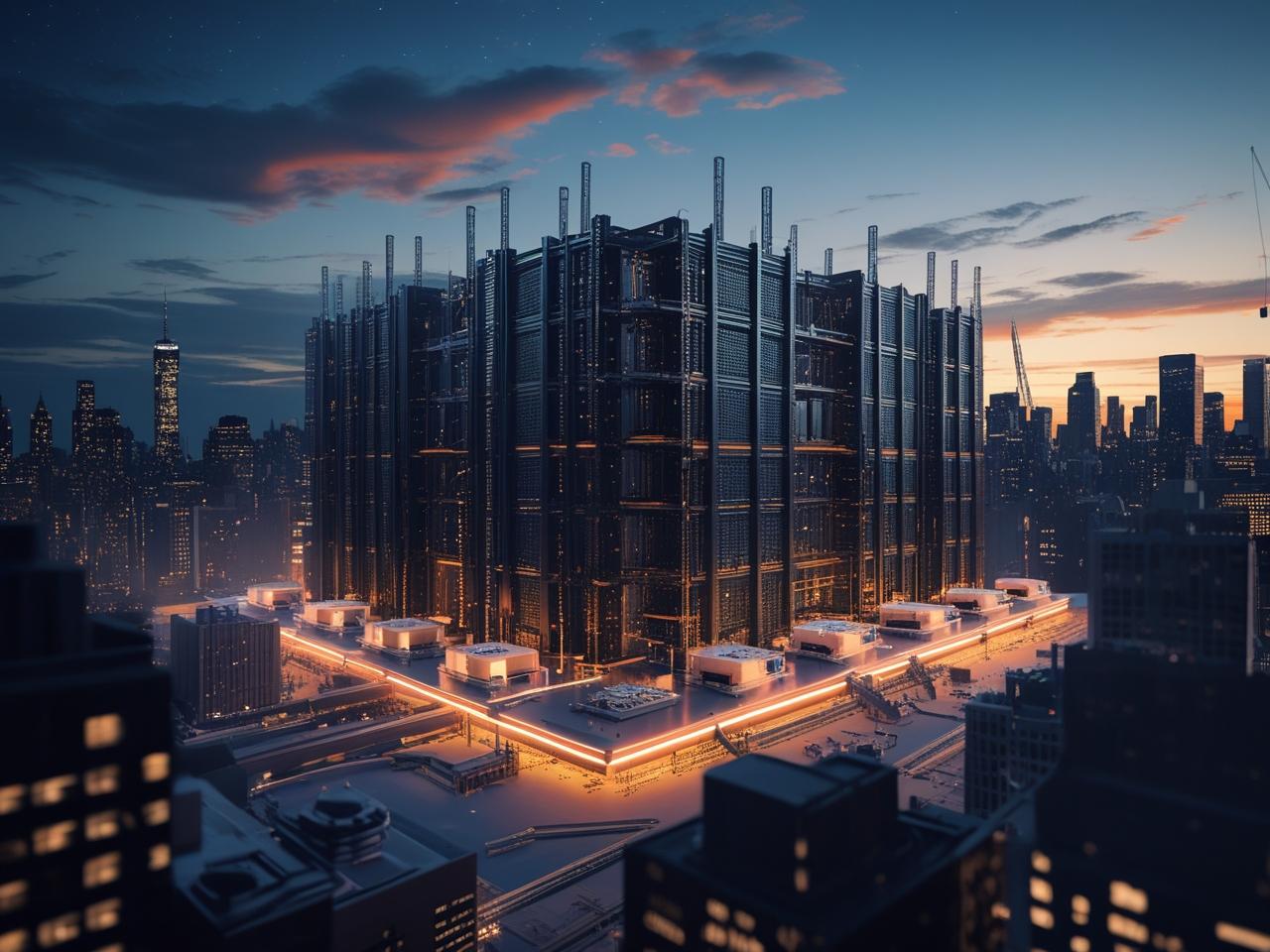
Meta has already warned investors that 2026 expenses will balloon to between $162 billion and $169 billion USD—a significant increase fuelled almost entirely by infrastructure investments and employee compensation packages for AI talent competing at unprecedented salary levels.
"We're seeing a clear pattern across the tech industry," said analyst Dan Ives of Wedbush Securities in a note to investors. "Companies are using AI tools to automate work that previously required large teams, allowing them to operate leaner while maintaining output."
Meta operates Canadian offices in Vancouver, Toronto, and Montreal, though the company has not specified where the job reductions will occur.
Microsoft follows with voluntary buyouts
Microsoft announced the same day that it will offer voluntary buyout packages to approximately 8,750 U.S. employees—roughly seven per cent of its American workforce. The offers, which the company characterized as the first voluntary retirement program in its 51-year history, will be extended in early May.
Amy Coleman, Microsoft's chief people officer, said in an internal memo that the program aims to give eligible employees "the choice to take that next step on their own terms, with generous company support."
Like Meta, Microsoft has committed billions to expanding its global data centre network, which powers cloud computing services, AI systems, and its Copilot AI assistant.
The broader industry pattern
These moves reflect a fundamental reshaping of the technology sector. Rather than hiring broadly across all departments, tech companies are now concentrating resources on AI development and infrastructure while using automation to reduce costs elsewhere.
The strategy suggests that the next phase of AI competition will reward companies that can build and operate expensive computational infrastructure most efficiently—not those with the largest workforce.
This article is based on reporting from CBC Business and The Associated Press.