Business

Trump-Xi Summit Rescheduled for Mid-May Following Iran Conflict Delay
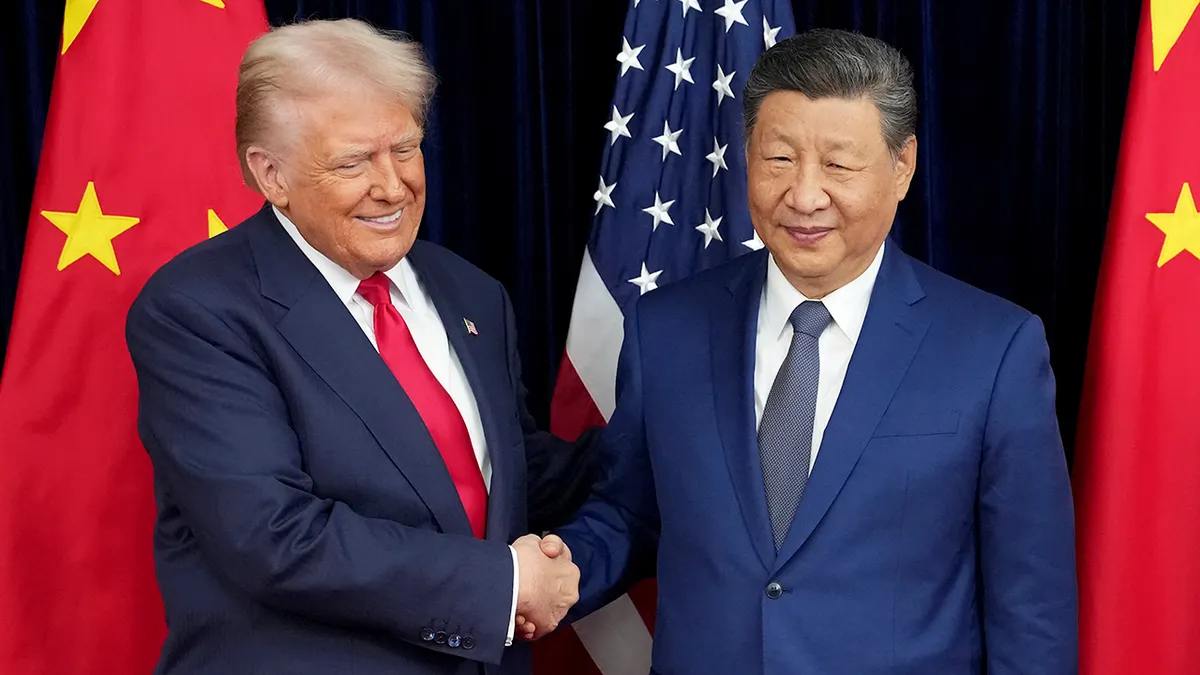
U.S. President and Chinese leader will meet in Beijing on May 14-15 after postponement due to Middle East tensions.

Trump-Xi Summit Rescheduled for Mid-May Following Iran Conflict Delay

(Financial Post / File)

U.S. President Donald Trump will travel to Beijing for a crucial summit with Chinese President Xi Jinping on May 14-15, following a postponement that highlighted the complex geopolitical challenges facing the world's two largest economies.

White House Press Secretary Karoline Leavitt announced the rescheduled dates Wednesday, confirming that Xi will make a reciprocal visit to Washington later this year.

The summit was originally planned for later this month but was delayed as Trump chose to remain in Washington to oversee military operations against Iran. The conflict has added new strains to U.S.-China relations, as Iran represents a major trading partner for China, the world's largest crude oil importer.

"President Xi understood that it's very important for the president to be here throughout these combat operations right now," Leavitt told reporters. "He understood, obviously the request to postpone and accepted it, which is why we have new dates on the books."

The postponement comes at a critical time for bilateral relations, as both nations continue navigating unresolved issues from last year's trade agreement and ongoing tensions over Taiwan.

When asked whether the new dates suggested Trump intended to conclude the Iran conflict by mid-May, Leavitt said the administration had "always estimated approximately four-to-six weeks" for the military operations. She declined to specify whether ending the conflict was a prerequisite for the rescheduled summit.

The Beijing meeting will mark a significant diplomatic moment as both leaders seek to address trade disputes and regional security concerns that have shaped their nations' relationship in recent years.

For Canadian businesses and policymakers, the summit outcomes could have substantial implications for global trade patterns and commodity markets, particularly given Canada's economic ties with both superpowers.

This article is based on reporting by Jennifer Blackwood from the Financial Post.

Share this story

