


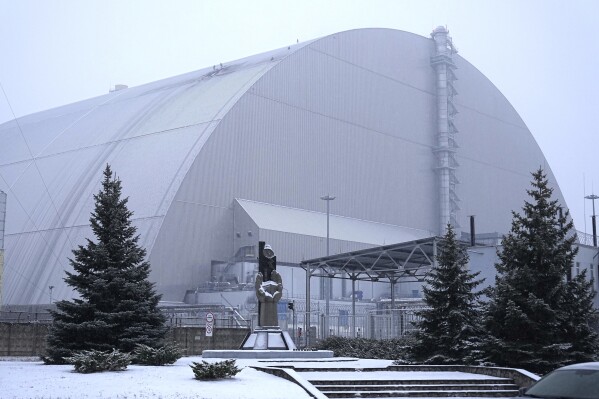
The 40th anniversary of the Chernobyl nuclear catastrophe has taken on grim new meaning as Russia and Ukraine intensified military strikes across each other's territories Sunday, killing at least 16 people and reigniting global fears about nuclear safety in an active war zone.
Ukrainian President Volodymyr Zelenskyy marked the solemn anniversary by sounding the alarm over what he called "nuclear terrorism," warning that Russian attacks on the Chernobyl nuclear facility risk repeating history's deadliest atomic disaster.
"Through its war, Russia is once again bringing the world to the brink of a man-made disaster," Zelenskyy wrote on social media Sunday. "Russian-Iranian Shaheds regularly fly over the plant, and one of them struck the confinement last year."
Deadly Weekend of Strikes
The violence Sunday painted a brutal picture of the ongoing conflict now in its fifth year. Regional authorities reported nine deaths in the Ukrainian city of Dnipro from Russian drone and missile strikes, while one person was killed in a Ukrainian drone attack on Sevastopol in Russian-occupied Crimea, according to Moscow-installed officials.
In Ukraine's Luhansk region, Russian-installed authorities claimed three people died in a Ukrainian drone strike on a village, adding to an earlier report of two deaths from Saturday morning strikes. Ukraine has not commented on these attacks, which could not be independently verified.
The strikes extended deep into Russian territory. Ukrainian forces hit an oil refinery in Yaroslavl, some 1,500 kilometres inside Russia, sparking major fires at a facility that processes 15 million tons of oil annually and supplies fuel to the Russian military.
Nuclear Nightmare at Chernobyl
The military exchanges cast a shadow over the anniversary of April 26, 1986—the day a catastrophic reactor explosion killed thousands and rendered the region uninhabitable for generations.
Rafael Grossi, director general of the International Atomic Energy Agency, visited Kyiv to stress the urgency of repairs to the plant's damaged outer protective shell. IAEA assessments show that damage from a Russian drone strike last February has already compromised critical safety functions, and years without repairs could threaten the original sarcophagus beneath the structure.
"The world must not allow this nuclear terrorism to continue, and the best way is to force Russia to stop its reckless attacks," Zelenskyy said.
European officials estimate repairs to the New Safe Confinement—the $2.1 billion protective arch built in 2019 over Reactor No. 4's remains—will cost at least 500 million euros ($586 million).
Moscow denies targeting the nuclear facility, instead alleging that Ukraine staged the February 2025 strike.
Escalating Drone Warfare
Ukraine has developed long-range drone capabilities that can strike targets up to 1,500 kilometres deep in Russian territory. Kyiv officials argue Russia plans to use revenue from a temporary sanctions waiver granted by the Trump administration to purchase new weapons for intensified attacks on Ukraine.
Meanwhile, Russia's Defence Minister Andrei Belousov visited North Korea on Sunday to discuss expanded military cooperation with leader Kim Jong Un, potentially opening new avenues for weapons supply and coordination.
This report is based on information from CBS News and The Associated Press, compiled from Ukrainian and Russian officials. Some claims could not be independently verified.