


Palestinian municipal elections held Saturday delivered a decisive victory for candidates aligned with President Mahmoud Abbas, marking a significant political moment in territories fractured by conflict and displacement.
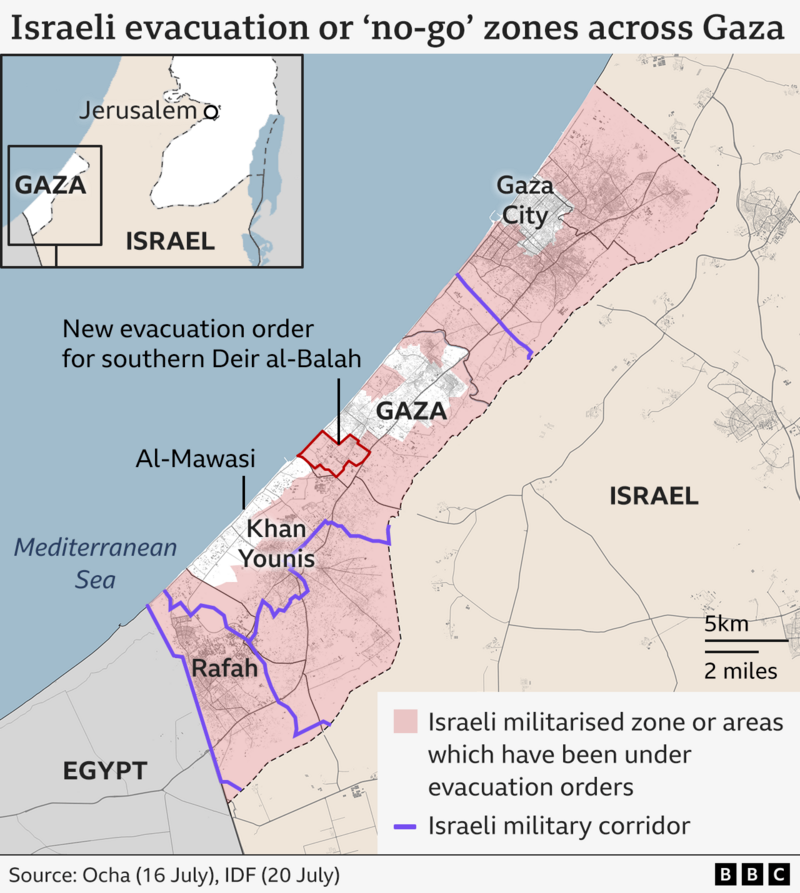
The ballot represented a watershed moment for Gaza, which held its first elections of any kind since 2006. For the first time in nearly 20 years, the coastal enclave participated in Palestinian electoral contests—though participation was limited to the relatively less-damaged city of Deir al-Balah, where voter turnout remained low.
The inclusion of Gaza in Saturday's voting carried symbolic weight. Abbas's West Bank-based Palestinian Authority framed the elections as a declaration that Gaza remains inseparable from a future Palestinian state, even as the territory remains administered by rival Hamas, which seized control in 2007.
Hope for Change on the Ground
Residents who cast ballots expressed cautious optimism that the elections could catalyze broader reforms. Shafika Rabah, 26, told media outlets the vote represented "a very important role for us" and hoped it would expand beyond municipal contests to give Palestinians greater say in their governance.
"Hopefully it will grow and we will be able to choose more things than the municipality and the situation will improve for us," Rabah said.
Mahmoud Al-Bahishi, 52, voiced similar hopes, stating: "Every time we support the people, the candidates, who will succeed and succeed, they will help us, God willing, and they will stand with us and fulfill our demands in the city of Deir el-Balah."
Palestinian Prime Minister Mohammad Mustafa characterized the elections as arriving "at a highly sensitive moment amid complex challenges and exceptional circumstances." He described the vote as "an important first step in a broader national process aimed at strengthening democratic life ... and ultimately achieving the unity of the homeland."
Significant Boycotts Complicate Narrative
The electoral significance was tempered by major absences. Hamas, which has governed Gaza since ousting the Palestinian Authority in 2007, did not formally nominate candidates in Gaza and boycotted voting entirely in the Israeli-occupied West Bank, where Abbas's Fatah party secured anticipated victories.
The Palestinian National Initiative, another significant political faction, also sat out the elections. Party leader Mustafa Barghouti cited concerns about genuine democratic competition, saying the Palestinian Authority imposed political commitments that excluded opposition movements.
"The Palestinian Authority imposed on candidates that they have to commit to a certain political program ... and that alienated many political groups like ours which decided to boycott," Barghouti stated.
The elections came more than two years after Hamas's October 7, 2023 attack on southern Israel triggered the current conflict—the first elections of any kind in Palestinian territories since the war began.
This article is based on reporting from CBC World. Read the original story at CBC News.