


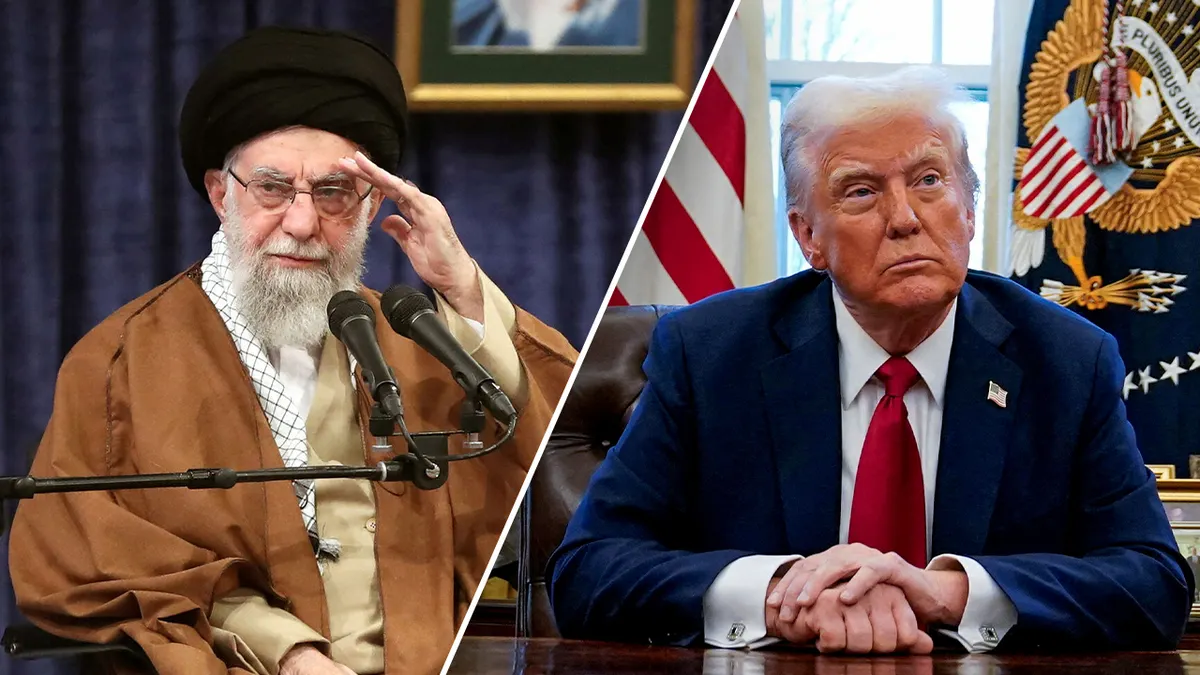
Diplomatic efforts between the United States and Iran have stalled dramatically, with Iran's top foreign affairs minister abandoning Pakistan on Saturday just hours before U.S. President Donald Trump announced he was calling off his envoys' planned visit to Islamabad.
The sudden breakdown threatens fragile progress from earlier this month when U.S. Vice-President JD Vance and Iranian Parliament Speaker Mohammad Bagher Ghalibaf held face-to-face discussions aimed at reviving ceasefire negotiations.
Trump Pulls the Plug on Talks
Trump took to social media Saturday to announce he was cancelling the planned trip by envoys Steve Witkoff and Jared Kushner, citing frustration with the pace of negotiations.
"If they want to talk, all they have to do is call!!! Too much time wasted on traveling, too much work!" Trump posted, signalling his impatience with traditional diplomatic channels.
The decision came just hours after Iranian Foreign Affairs Minister Abbas Araghchi departed Pakistan on Saturday evening, two Pakistani officials confirmed to The Associated Press. Araghchi's departure signalled Iran's skepticism about American intentions.
Trust Evaporates Over Military Actions
Iranian officials have expressed deep concerns about U.S. credibility, pointing to American naval blockades of Iranian ports as evidence Washington isn't genuinely interested in peace. The military tensions have only intensified the diplomatic standoff.
Araghchi left behind a stark message on social media about the failed talks.
"Shared Iran's position concerning workable framework to permanently end the war on Iran. Have yet to see if the U.S. is truly serious about diplomacy," the Iranian minister stated.
Before departing Pakistan, Araghchi met with Pakistan's Army Chief Field Marshal Asim Munir and Prime Minister Shehbaz Sharif to outline Iran's negotiating positions and red lines. He subsequently travelled to Oman, a traditional mediator in Middle Eastern conflicts, before planning to return to Pakistan on Sunday and then travel to Russia.
Military Threats Escalate
The breakdown in talks coincides with heightened military posturing. On Saturday, another ceasefire—this one between Israel and Iranian-backed Hezbollah—showed signs of fraying as both sides exchanged fire. Israeli Prime Minister Benjamin Netanyahu subsequently ordered his military to "vigorously attack Hezbollah targets in Lebanon."
Iran's joint military command issued its own warning Saturday, threatening a "strong response" if the U.S. persists with what it called "aggressive military actions, including naval blockades, banditry, and piracy."
Economic Consequences Mount
The stalled peace efforts carry serious economic consequences for global markets. Two months into the conflict, disruptions to shipping through the Strait of Hormuz have interrupted the flow of oil, liquefied natural gas, fertilizer, and other critical supplies worldwide.
Trump did announce this week an indefinite extension of the existing ceasefire with Iran, which had paused most active fighting. However, the economic fallout from restricted maritime commerce continues to grow.
Trump's Counterclaim
In a twist, Trump later told journalists that within 10 minutes of cancelling the envoys' trip, Iran submitted a "much better" proposal—though he provided no details. He emphasized that any deal must include Iran renouncing nuclear weapons development, a longstanding American condition.
This article is based on reporting from CBC World and The Associated Press.