


The Canadian energy sector is experiencing a dramatic reversal of fortune as major international players return to the oilpatch with unprecedented investment commitments.
Royal Dutch Shell announced Monday it is acquiring Calgary-based ARC Resources for $22 billion—the largest acquisition by the energy giant in over a decade. The deal marks a stunning about-face for Shell, which sold off the majority of its Canadian oilsands operations for $11 billion back in 2017.
A Shift in Global Energy Strategy
Shell Chief Executive Wael Sawan framed the transaction as establishing "Canada as a heartland for Shell," signalling the company's commitment to the country after years of minimal presence.
ARC Resources is a major natural gas producer with average daily output of approximately 410,000 barrels of oil equivalent. The company holds significant assets in northeastern British Columbia and northwestern Alberta, positioning Shell to benefit from some of North America's most abundant and low-cost natural gas reserves.
Analysts say the timing is no coincidence. Recent geopolitical tensions—including the U.S. conflict with Iran—have prompted energy companies worldwide to seek secure, long-term sources of oil and natural gas far from conflict zones.
"The tide is definitely changing here," said BMO Capital Markets analyst Jeremy McCrea. "Shell has operations all over the world. If they're choosing Canada, it's an encouraging sign of how they see the rest of the world in terms of economics and potential upside."
The Return of the Supermajors
Shell's $22 billion commitment is part of a broader resurgence of foreign investment in Canada's energy sector. After a decade of pullback that saw ConocoPhillips, BP, and TotalEnergies dramatically reduce operations, the momentum has reversed sharply over the past 12 months.
Domestic and international companies have announced multiple acquisitions across Western Canada, including Cenovus's bid for MEG Energy, Ovintiv's purchase of NuVista Energy, and Cygnet Energy's acquisition of Kiwetinohk Energy.
"We're having more supermajors start to look at Canada as a viable place to invest," McCrea noted. "This is probably the start of more things to come."
Why Canada Is Attractive Again
Several factors are driving the renewed interest in Canadian energy assets. Industry experts point to abundant, low-cost natural gas reserves in the Western provinces, technological advances making oil sands production increasingly efficient, and a federal government taking a more business-friendly stance toward energy development.
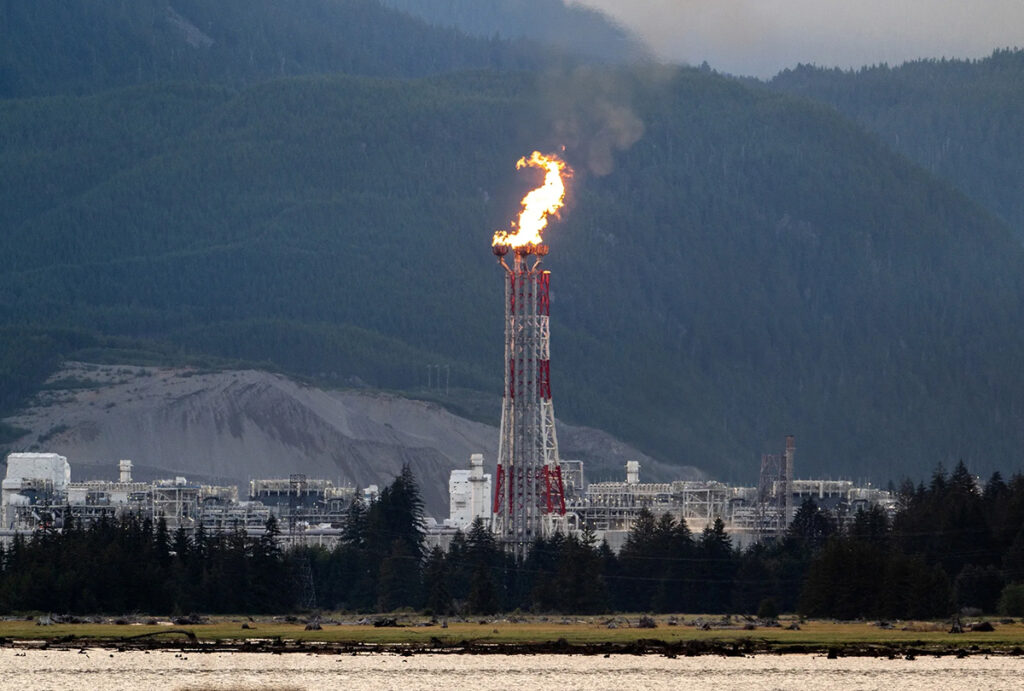
Shell's interest also hints at broader expansion plans. The company has signalled it may proceed with a major liquefied natural gas (LNG) export facility expansion on the West Coast, a move that could generate billions in additional economic activity and create new opportunities for Alberta suppliers and workers.
For Alberta's energy sector—and Calgary's position as a major corporate headquarters hub—the Shell deal represents validation that Canada remains competitive on the global stage for major energy investment.
This article was adapted from reporting by CBC Calgary.