


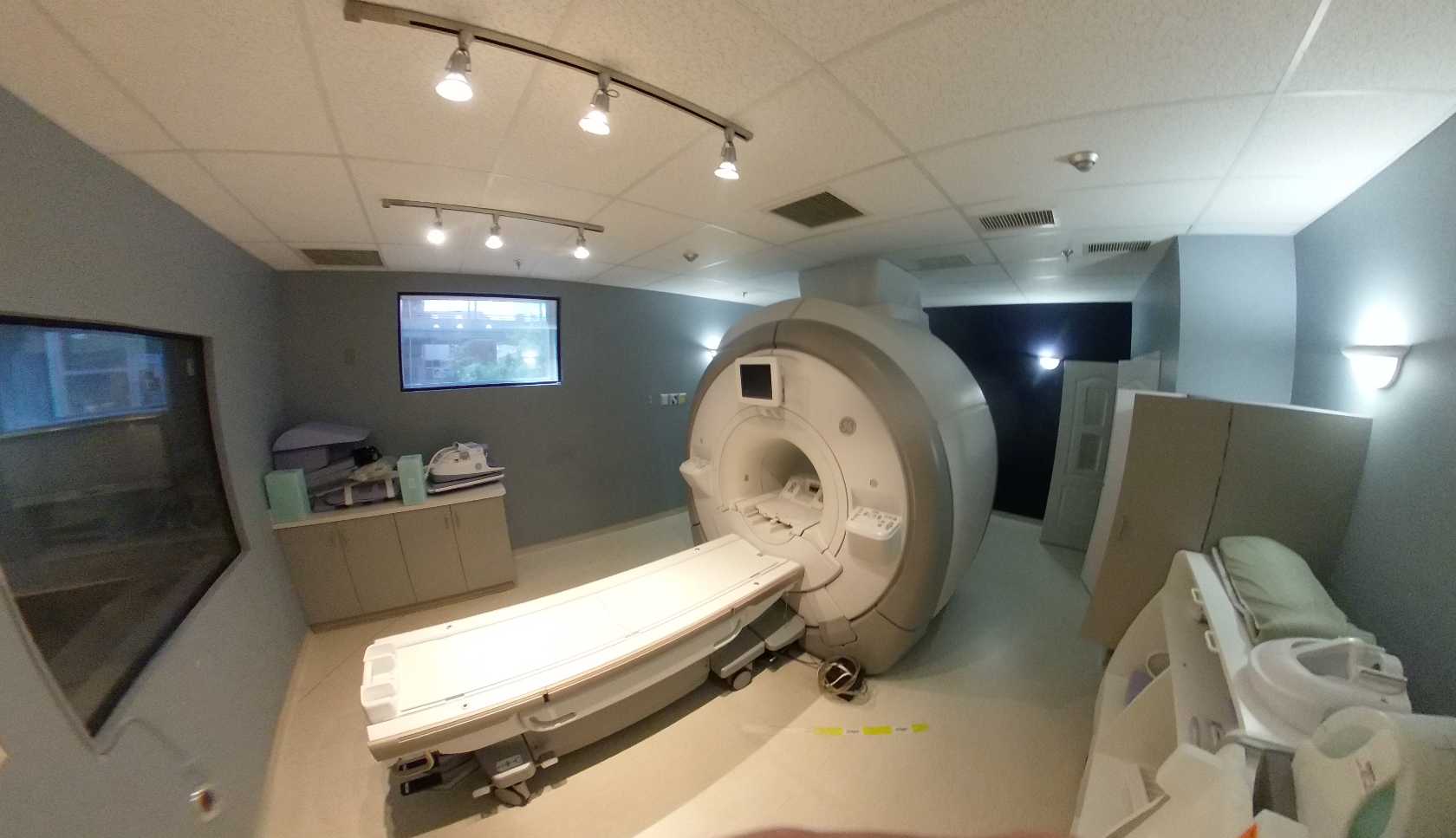
Alberta's push to let patients privately fund diagnostic testing without a doctor's referral is facing pushback from the province's physician community, who worry the move will ultimately strain—not strengthen—the already-burdened public healthcare system.
The Alberta Medical Association (AMA) is sounding the alarm about legislation introduced this week by Primary and Preventative Health Services Minister Adriana LaGrange that would permit Albertans to self-refer for private diagnostic and screening services, including MRIs, CT scans, full-body scans, and blood work.
While the UCP government frames the proposal as a way to cut wait times and improve access, AMA President Dr. Brian Wirzba says the unintended consequences could be far worse than the problem it's meant to solve.
The False Positive Problem
Wirzba's core concern centres on a medical reality that often gets overlooked in discussions about expanded screening: the high rate of false positives that come when patients get tested without clinical guidance.
"It's medicine 101 — we learn not to test people who are unlikely to have a significant abnormality because the risk of these false positives is so high compared to real positives," Wirzba said.
The numbers tell a sobering story. Between 10 and 40 per cent of diagnostic scans show some level of abnormality, but fewer than one to two per cent of those abnormalities prove clinically significant. That means the vast majority of self-referred tests will flag minor findings that don't require treatment—yet will funnel patients into follow-up appointments, specialist consultations, and additional testing that strains the public system.
"This is being sold as something to improve access, but we are very concerned that this will actually further burden the public system," Wirzba cautioned.
The Consultation Gap
Adding to physician frustration, the AMA says it was not consulted during the development of this legislation. Instead, doctors were merely informed the bill was coming—a move that reflects a broader pattern of healthcare policy being shaped without meaningful input from those who deliver the care.
LaGrange has not yet specified which tests will be available for private purchase. Those details are expected to land in regulatory documents this fall, leaving significant questions unanswered about how the system will actually function.
What's Really at Stake
The proposal represents a philosophical shift in Alberta's healthcare approach—one that effectively creates a two-tier system where wealthy patients can jump the queue for diagnostic services. For those without means, wait times remain unchanged. But for everyone, the downstream effects of false positives create additional pressure on a public system already struggling with capacity.
As Alberta continues grappling with healthcare accessibility, the question isn't whether patients should have choices—it's whether those choices are being made with full understanding of how they ripple through the entire system. The doctors' concerns suggest the government may have missed a critical piece of that puzzle.
This story is based on reporting from the Edmonton Journal. Read the original article at the Edmonton Journal website.