


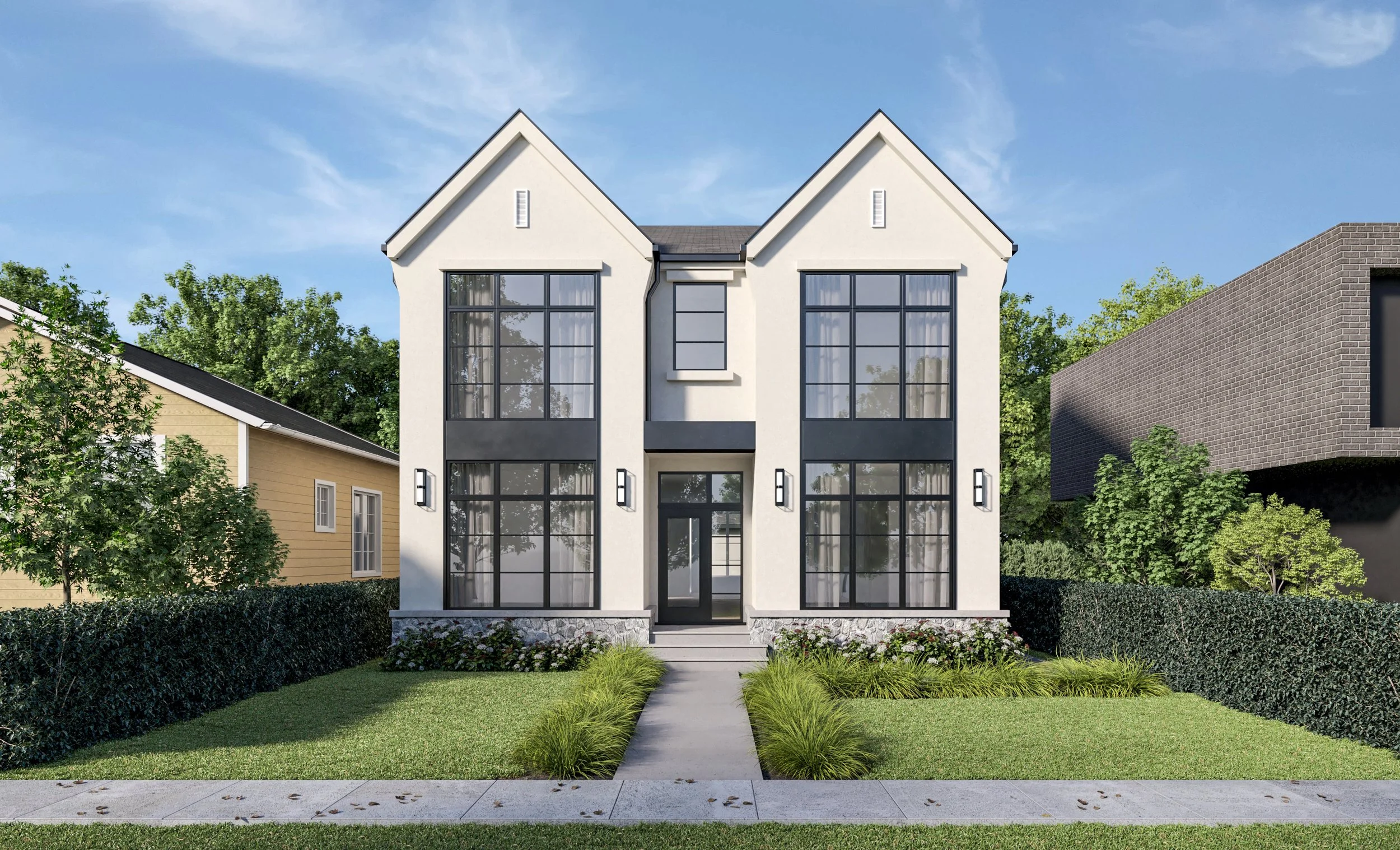
Edmonton is at a crossroads. Alberta recorded more than 50,000 housing starts last year — including over 21,000 in the Edmonton region — and the pressure to accommodate growth is only intensifying. But as the population swells, a critical question emerges: How do communities expand without sprawling outward indefinitely?
The answer lies in infill development — a strategy that's gaining momentum across Alberta's major centres and reshaping the conversation around housing affordability and neighbourhood evolution.
Building Smarter, Not Just Bigger
Edmonton's long-term growth vision, The City Plan, sets an ambitious target: half of all future housing should be built within existing neighbourhoods, using infrastructure that's already in place. It's a departure from sprawl-first development and signals a fundamental shift in how Alberta's largest cities are thinking about growth.
Infill isn't trendy — it's practical. By developing within mature communities, cities can reduce infrastructure costs, support compact neighbourhoods, and offer residents more housing choices without sacrificing the character of established areas. Semi-detached and row homes are increasingly attractive to first-time buyers seeking affordability, making infill a lifeline for those priced out of traditional single-family markets.
"Cities are designed to grow more efficiently over time," according to planning experts shaping Edmonton's future. Infill replaces aging housing stock, introduces thoughtful density, and ensures more residents benefit from world-class universities, hospitals, recreation centres, and schools already built — creating more equitable and fiscally sustainable communities.
Two Decades of Planning Pays Off
Edmonton hasn't arrived at this strategy overnight. Over 20 years, the city has built a robust planning framework supporting redevelopment. Initiatives like The Way We Grow, the Infill Roadmaps, and the Zoning Bylaw Renewal Initiative have steadily raised Edmonton's infill targets — from 25 per cent of new housing in mature neighbourhoods to 50 per cent of all future growth.
The progression reflects a maturing understanding of urban development: growth isn't the enemy; unmanaged sprawl is. Strategic infill channels development where services already exist, making cities more livable and sustainable.
The Real Conversation: Community and Change
Yet infill isn't without friction. Construction disruptions, concerns about neighbourhood character, and anxiety about rapid change are real concerns for longtime residents. The most successful communities aren't those that ignore these tensions — they're the ones that confront them directly.
Community input has been central to Edmonton's planning process, and that dialogue must continue. The balance between welcoming new neighbours and preserving what residents value about their communities requires honesty, transparency, and practical problem-solving. When done right, infill strengthens neighbourhoods rather than destabilizes them.
What This Means for Alberta
As Alberta continues to attract residents, the infill model offers a blueprint for sustainable growth. It's not just Edmonton's challenge — Calgary, Red Deer, and other growing communities across the province are grappling with similar questions about density, affordability, and neighbourhood evolution.
The future of Alberta's housing crisis won't be solved by building further out. It will be solved by building smarter within — and by communities that are willing to have tough conversations about change.
This article is based on reporting and analysis originally published in the Edmonton Journal.