


The stabbing attack that left a patient with life-threatening injuries at Edmonton's Royal Alexandra Hospital on April 3 has forced Alberta to confront a harsh reality: violence in emergency departments is no longer an anomaly—it's becoming the norm.
A 42-year-old patient was attacked by another patient inside the busy ED waiting room in an incident that drew national attention. Yet for frontline healthcare workers across Alberta, the shock wasn't the attack itself—it was that it happened at all in a supposedly secure medical facility.
A Silent Crisis Behind Hospital Doors
Emergency physicians and nurses throughout the province are witnessing and experiencing violence with disturbing regularity. The incidents occur daily, often unreported and underreported, creating what healthcare professionals describe as a culture of acceptance around workplace danger that should never be considered normal.
"Every day, physicians and nurses across Alberta have left or consider leaving their profession because they don't feel safe," warn contributors to this growing chorus of concern. The psychological toll is measurable—experienced healthcare workers are abandoning careers they've dedicated years to building because the working environment has become genuinely dangerous.
Emergency department staff now operate with an underlying awareness that violence could erupt at any moment. When incidents do occur, they're minimized as "part of the job"—a normalization that healthcare professionals say must end immediately.
Current Safety Measures Fall Short
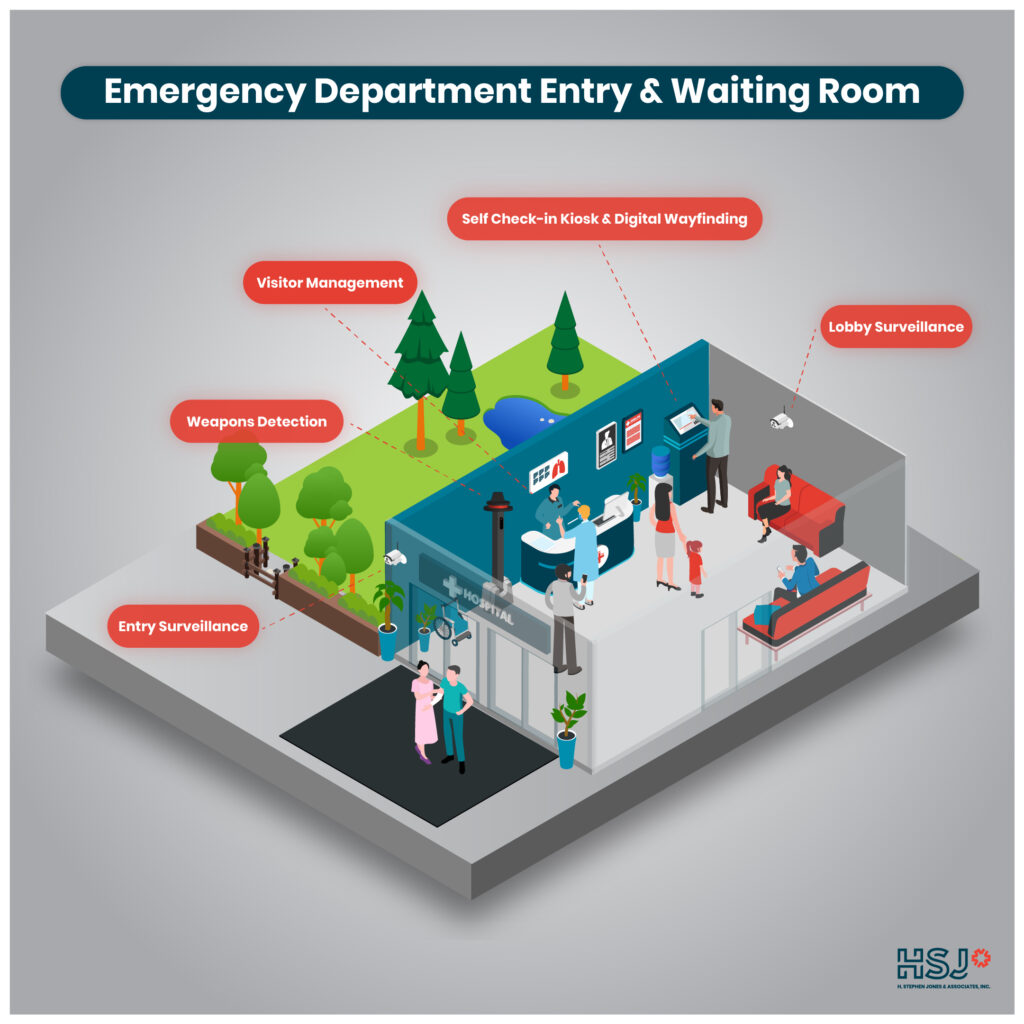
Alberta Health Services has announced plans to install weapons-detection systems and increase protective services officers in emergency departments. While these measures represent movement in the right direction, healthcare workers argue they're insufficient without stronger legislative backing.
The April 3 incident underscores the gap in current protocols. Police officers happened to be present at the hospital when the stabbing occurred, enabling a swift response. But relying on chance presence of law enforcement isn't a safety strategy—it's a Band-Aid solution.
"Without legislation empowering those officers to search or actually confiscate the weapons found, health-care workers are still being asked to medically assess people who are allowed to keep their weapons," healthcare professionals point out.
Patients Deserve Safety Too
The danger extends beyond staff. Patients arriving at emergency departments are already vulnerable—frightened, in pain, and facing long waits for care. They deserve a safe environment while healthcare workers provide that care. The current situation fails both groups.
Alberta's government must fast-track weapons-detection installation and increase protective services capacity. But that's just a starting point. Legislation must be strengthened to give security officers actual authority to confiscate weapons and prevent armed individuals from remaining in clinical spaces.
The stabbing at Royal Alexandra Hospital wasn't an isolated incident—it was a wake-up call that Alberta's emergency departments have become unsafe. Talk of creating better environments must translate into concrete action, and that action must come now.
This article was adapted from an opinion piece originally published by the Edmonton Journal. Read the full commentary from Warren Thirsk, Scott MacLean, Landon Leinweber, and Kathryn Crowder at edmontonjournal.com.