


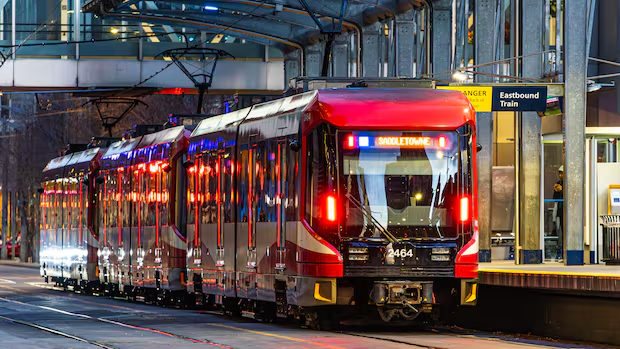
Alberta's government is pushing to grab the steering wheel on major transit decisions in Calgary and Edmonton, tabling legislation Thursday that would fundamentally shift how light rail projects get built in the province.
Under the proposed bill, both cities would need provincial approval before moving forward with any local transit network plans. More significantly, Alberta's transportation minister would gain authority to redesign LRT lines, alter routes, and demand changes to existing networks—essentially giving the province veto power over decisions that affect millions of commuters.
The legislation also extends provincial oversight to bus rapid transit systems and other transit corridors that cities might eventually upgrade to LRT status, including Calgary's Max Green route.
Why Now? A Bigger Picture Strategy
Transportation and Economic Corridors Minister Devin Dreeshen framed the move as essential coordination for Alberta's larger vision. The province is eyeing integrated passenger rail networks between cities and exploring high-speed rail possibilities between Edmonton and Calgary—projects that require transit networks to align provincially.
"What makes this different is the co-ordination is now upfront," Dreeshen said. "This is the part of big, major projects that you want to take the time to get it right."
Currently, cities complete initial design work before pitching business cases to secure funding from provincial and federal governments. Under the new system, Alberta would weigh in much earlier—theoretically avoiding costly redesigns later.
Calgary's Cautious Response
Calgary's mayor acknowledged the value of provincial coordination but sounded a clear warning: oversight without money attached is unacceptable. The city has learned this lesson painfully. The Alberta government yanked funding for the Green Line two years ago citing alignment concerns, then reversed course a month later—destabilizing the project before construction finally began last year on what is now Calgary's largest infrastructure undertaking.
If the province wants decision-making power, the mayor signalled, it needs to come with guaranteed investment.
The Green Line Precedent
The Green Line is exactly what Dreeshen pointed to as a cautionary tale. Earlier provincial intervention might have prevented the funding flip-flop and design uncertainty. But the same logic cuts the other way: without provincial funding commitments tied to its new approval powers, cities could face delays and endless revisions from a government that changes course on a whim.
The legislation would require cities to detail every existing and proposed LRT line, station location, vehicle specifications, expansion plans, and related infrastructure in their urban rail network plans—giving the province granular control over transit futures.
Cities would also shoulder the cost of any changes the province directs them to make.
Originally reported by CBC Calgary.