


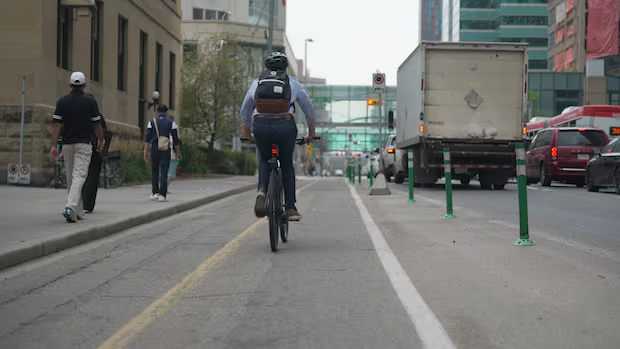
Alberta Premier Danielle Smith signalled Saturday that her government will revise its contentious bike lane legislation, backing away from an approach that sparked immediate criticism from Calgary's mayor and cycling advocates across the province.
Speaking on her weekend radio call-in show, Smith acknowledged that Calgary Mayor Jeromy Farkas raised legitimate concerns about the bill tabled earlier this week by Transportation Minister Devin Dreeshen. The premier confirmed her chief of staff met with Farkas and committed to making changes.
"We've got some amendments to propose to that legislation," Smith told listeners on QR Calgary and 880 CHED. "We want it to be collaborative."
What the Original Bill Would Do
The legislation, as initially presented, would grant the provincial government sweeping authority to order the removal of existing municipal bike lanes and block future ones without provincial approval. It also stipulated that cities would bear the financial burden of any costs resulting from the law's implementation—a provision Farkas publicly rejected Friday as unacceptable.
Under the bill's current language, any existing bike lanes built at the expense of vehicle traffic would need to be removed when municipalities undertake road repair projects on or near those lanes, unless the province grants special permission to keep them.
The Calgary Mayor's Red Line
Farkas said Friday that Smith's office had privately assured him cities would not be forced to pay for lane removals, suggesting the government had tabled what he called a "premature draft version" of the legislation. The disconnect between private promises and public legislation highlighted tensions over the bill's implementation details.
"I really feel that city council and Mayor Farkas can handle this," one Calgary caller told Smith during Saturday's radio program, pressing the premier on why the province needed to micromanage local transportation decisions.
Wider Concerns Echo Across Alberta
The bike lane bill has drawn fire from more than just Calgary. Edmonton Mayor Andrew Knack has also voiced concerns, as have cycling advocates who worry the legislation prioritizes vehicle traffic over active transportation and pedestrian safety.
Transportation Minister Dreeshen's office declined to specify what amendments are coming, instead reiterating the government's stated aim: "This is about better collaboration with cities to ensure we're making responsible, evidence-based transportation decisions that protect road capacity and make sure transportation networks work for everyone."
Smith did not provide details about the proposed changes during her radio appearance Saturday, leaving questions about the scope and timing of revisions unanswered. Local residents concerned about the issue can share their views on Calgary Forums, where community members are actively discussing transportation policy.
This report is based on statements from Alberta's Premier and coverage of the bike lane legislation debate in Alberta. Original reporting by CBC Calgary.