


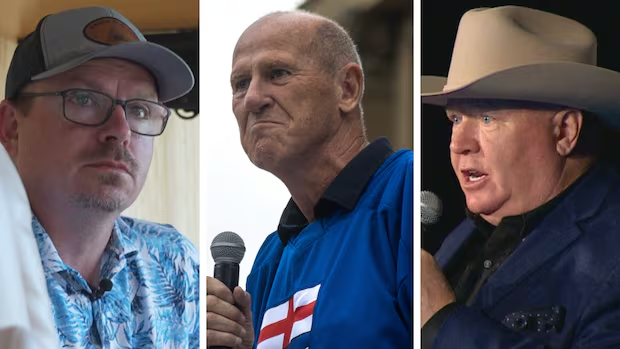
Alberta's political landscape is shifting as separatist movement leaders grapple with their futures in the United Conservative Party following October's decisive referendum rejection of another independence vote.
The aftermath has created an uncomfortable tension within Premier Danielle Smith's governing caucus. While the party line now emphasizes unity and reconciliation, the UCP has simultaneously hardened its stance by requiring both board candidates and local riding association leaders to sign pledges supporting Alberta's decision to remain in Canada.
The contradiction hasn't gone unnoticed. How the party genuinely heals the divide while enforcing compliance remains an open question that may define Smith's leadership in the months ahead.
A Second Act for Separatist Voices
Chris Scott, founder of the pro-independence group Let's Talk Alberta, exemplifies the complicated calculus facing former sovereignty advocates. After months touring Alberta in a branded motorhome promoting independence, Scott is now pursuing a seat on the UCP's provincial board.
"As a sovereignty-minded individual, I have choices to make," Scott told CBC News. "Am I going to flog the dead horse for the rest of my life, or am I going to find alignments with those that have disagreed with me?"
Speaking at a board candidate forum in Calgary this week, Scott signalled his intention to work within the party rather than against it. He acknowledged his disappointment with the referendum outcome but stopped short of calling for internal party upheaval or challenging Smith's leadership.
"If we can set our emotions aside and start treating each other as what we're supposed to be, which is one group instead of enemies, we really only can go up from here," Scott said.
Premier's Line in the Sand
Smith's post-referendum message was unambiguous. Days after Albertans rejected another independence vote, the Premier released a video drawing clear boundaries: the UCP is not an independence party, and members intent on transforming it into one should seek other political homes.
Scott initially reacted with anger to Smith's remarks, interpreting them as an outright rejection of anyone holding pro-independence views. But upon reflection, he reconsidered. The Premier's warning, he concluded, was aimed specifically at those seeking leadership positions within the party to advance separatist agendas—not at membership broadly.
That nuanced interpretation may offer a template for how other former separatist figures navigate their own returns to the UCP fold. Several are charting distinct paths forward, each weighing personal ambition against party loyalty and genuine ideological commitment.
The Healing Challenge
Polling data suggests pro-independence sentiment was particularly concentrated within UCP ranks, making the party's internal cohesion a genuine political liability. The requirement for binding pledges demonstrates Smith's determination to prevent a repeat of the divisiveness that characterized the referendum period.
Yet the question remains: Can a party genuinely unite while simultaneously policing ideological boundaries? And how much internal disagreement can the UCP tolerate before those unity pledges become meaningless exercises in party discipline?
These questions will define not just the UCP's immediate political prospects, but Alberta's broader political trajectory as the province moves beyond the independence debate that consumed much of 2026.
Originally reported by CBC Edmonton.