


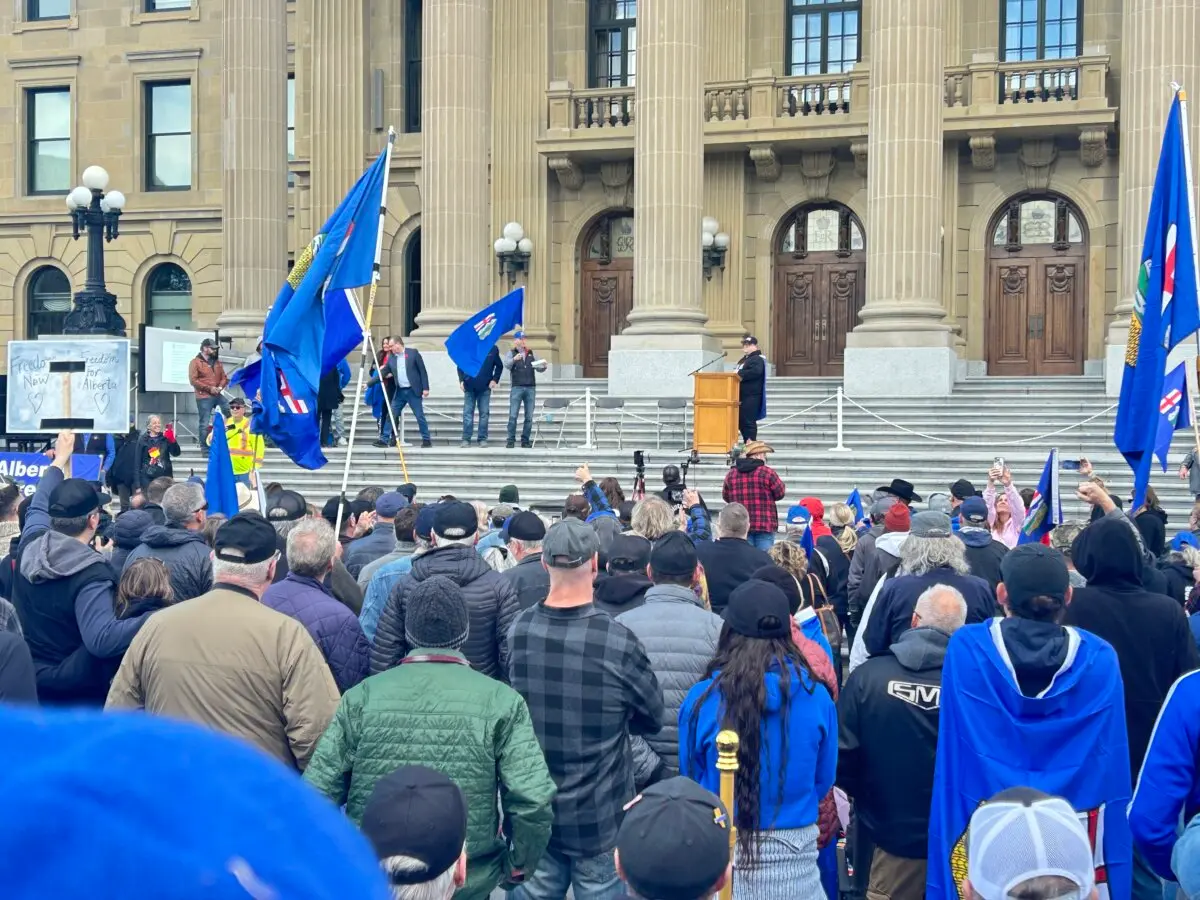
A fresh Leger-Postmedia poll has delivered a decisive verdict on Alberta independence: the vast majority of Albertans have little appetite for separatism, with support for leaving Canada registering at just 24 per cent.
The survey, which posed the question of whether Alberta should pursue a binding referendum on separation, showed clear regional resolve. Nearly seven in 10 respondents—68 per cent—firmly rejected the notion of Alberta departing Confederation.
The Numbers Tell the Story
The separatist movement faces an uphill climb. Only about a quarter of poll respondents backed the government commencing legal proceedings for a binding referendum on Alberta independence. The remainder either remained undecided or preferred not to answer, suggesting soft support even among those not explicitly opposed.
The polling data underscores a broader political reality facing Alberta's independence advocates: while passionate and vocal, they represent a fringe position in provincial opinion.
Smith's Political Standing Strengthens
The separation question wasn't the only topic measured. Premier Danielle Smith's United Conservative Party maintained a commanding nine-point lead over the New Democratic Party, led by former Calgary Mayor Naheed Nenshi, in head-to-head matchups. Smith's position reflects continued support for her government's direction on fiscal and energy policy.
The UCP's sustained advantage over the opposition NDP suggests Alberta voters remain broadly aligned with the current government's approach, despite ongoing debates over specific policies and programs.
What This Means for Alberta's Future
For separatist movements, the findings represent a significant challenge. Building momentum for constitutional change requires far broader consensus than currently exists among Albertans. The 68 per cent pro-Canada response aligns with historical polling on the issue, indicating stable public sentiment against independence.
Political observers note that while Alberta's relationship with Ottawa has been contentious on resource management and equalization payments, these grievances have not translated into widespread support for separation among everyday voters.
The poll captures a snapshot of Alberta opinion at a time when provincial politics remain fluid heading toward the next election cycle. Smith's government appears well-positioned, while alternative political voices—whether separatist or NDP—struggle to gain significant traction on the fundamental question of Alberta's place in Canada.
This story is based on reporting from the Calgary Herald and analysis of Leger-Postmedia polling data.