


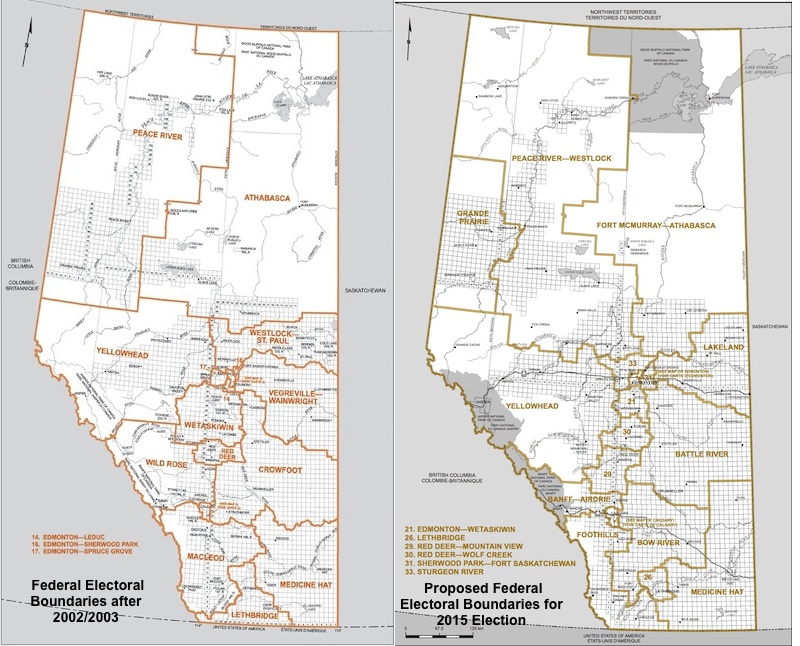
Alberta is at a critical crossroads. The United Conservative Party is signalling it may dismantle the independent electoral boundary commission that has governed how the province redraws its voting districts—a move that experts warn could fundamentally alter the political landscape for communities like Red Deer.
The stakes are high. Electoral boundaries are far more than technical adjustments. They determine which neighbourhoods and communities vote together, which voices get heard clearly, and which get diluted in the process.
The Independent Process That Built Trust
For years, Alberta has relied on an independent commission to redraw electoral boundaries after each census. This system works by bringing together citizens from across the province to examine population shifts, hear directly from residents about their communities, and recommend fair boundaries that reflect real neighbourhoods and regions.
The process is transparent, data-driven, and grounded in democratic principles. Communities present their cases. Growth patterns are analyzed. Lines are drawn with the intent of keeping neighbourhoods together and maintaining regional cohesion.
That independent safeguard exists for a reason: to prevent the party in power from manipulating electoral maps to entrench its advantage.
What Happens When Boundaries Shift
Consider a simple scenario. Two adjacent communities vote differently. Under the current boundaries, each elects a representative reflecting local priorities. But if those communities are combined into a single riding, the larger voting bloc effectively drowns out the smaller one. Voters haven't changed. Their numbers haven't changed. But their power has.
This is gerrymandering—and it's not just theory. When a government controls boundary-drawing, it can strengthen areas that support it and weaken areas that don't. Red Deer and central Alberta communities could find themselves grouped with areas that don't share their priorities, diluting their collective voice in provincial politics.
The Integrity Question
Setting aside an independent commission's recommendations isn't a minor procedural shift. It's a declaration that a government can dismiss the careful work of citizens and experts when political convenience demands it.
When Albertans participated in the boundary commission process—taking time to speak about their communities, their concerns, their regional identity—they were promised their input would matter. Discarding that process sends a troubling message: your voice can be heard, but it doesn't have to be respected.
This is a moment for Albertans to pay attention. Electoral integrity isn't partisan. It's foundational. Whether you lean left or right, you should care that the system drawing your electoral district is fair, transparent, and independent of political manipulation.
This analysis is informed by reporting from the Red Deer Advocate's coverage of Alberta electoral boundary debates and their impact on central Alberta communities.