


When tensions between major powers spike, energy markets shudder. The recent conflict in the Middle East sent shockwaves through global supplies, reminding nations dependent on imported fuel that vulnerability can be costly. Across Asia, prices spiked. Yet one major economy weathered the storm with striking calm: China.
Despite importing roughly 70 per cent of its oil and 40 per cent of its natural gas, China absorbed the initial market shock with minimal disruption. The reason? A deliberate, decades-long strategy that has created multiple layers of defence. For Alberta and Canada—both energy exporters and consumers—the lessons are impossible to ignore.
Building a Buffer: The Strategic Reserve Advantage
China's first line of defence is its massive strategic petroleum reserve. For years, Beijing quietly accumulated vast stockpiles, anticipating both rising demand and inevitable crises. Today, China holds one of the world's largest reserves, enough to cover a month or more of national consumption. This financial cushion allows policymakers to absorb shocks without panic, smoothing market volatility that might otherwise trigger economic damage.
Canada's crude oil reserves are substantial, but strategic reserves—the kind held specifically for emergency supply disruptions—remain comparatively modest. This asymmetry is worth examining as energy security becomes increasingly central to national resilience.
Diversification: Never Rely on One Supplier
China's second pillar is ruthless diversification. While dependency ratios sound alarming on paper, they obscure a critical truth: no single supplier dominates. Iran, despite being a major partner, accounts for roughly 11 per cent of Chinese crude imports. The rest flows from the Middle East broadly, Africa, Russia, and the Americas. Natural gas arrives via pipeline from Central Asia and Russia, supplemented by liquefied natural gas from Qatar, Australia, the United States, and beyond.
This geographical spread acts as insurance. Regional instability in one area doesn't cripple the entire system. Canada, by contrast, remains heavily dependent on U.S. energy markets for distribution and pricing power. Diversifying export routes and customer bases could strengthen both Canadian independence and long-term economic stability.
The Renewable Shift: Energy Independence Through Innovation
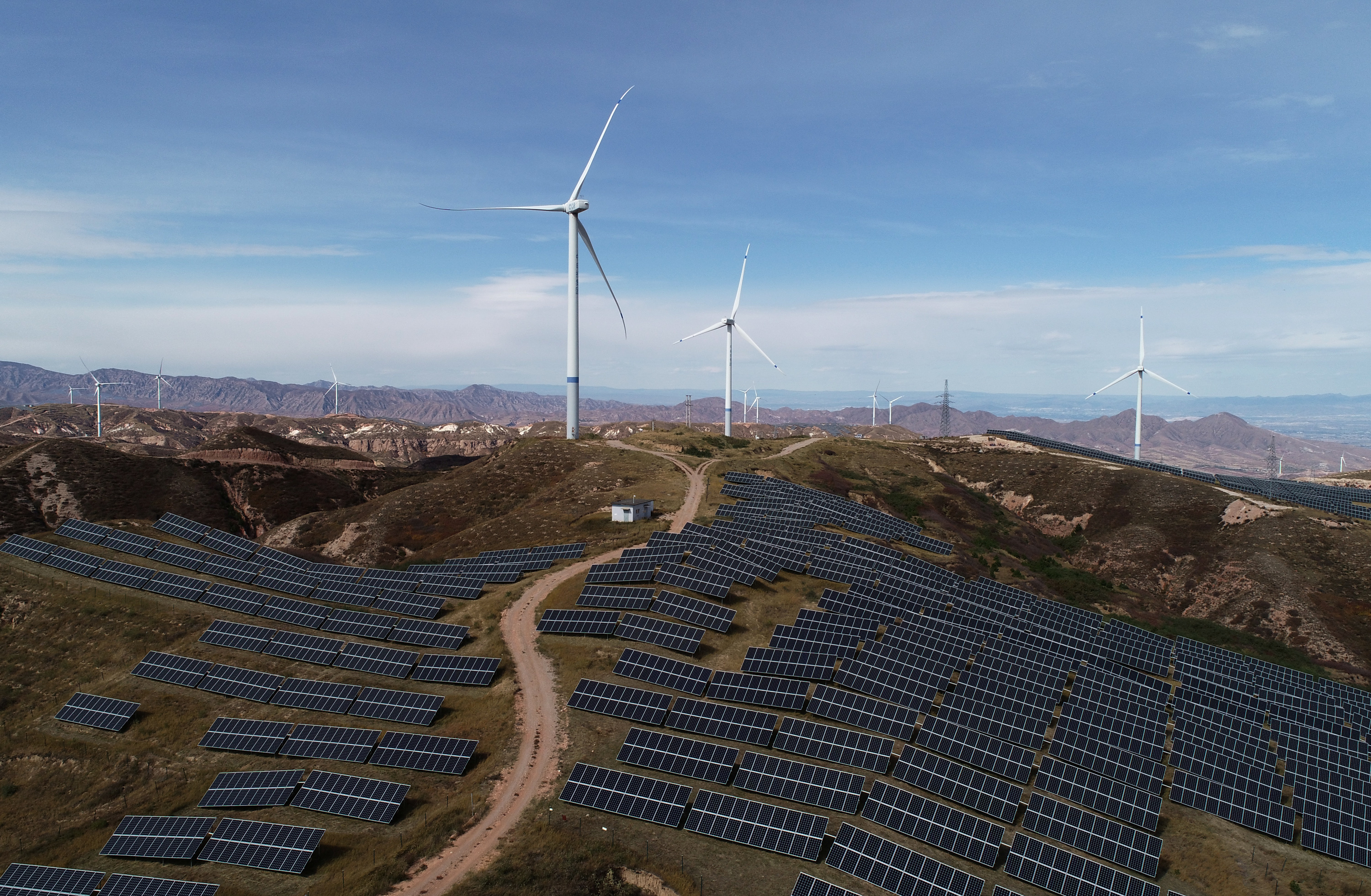
China's most forward-looking strategy is its structural transformation of the energy mix itself. Beijing has become the undisputed global leader in renewable energy deployment, investing massively in solar, wind, hydropower, and nuclear capacity. The numbers are staggering: renewables now represent over 60 per cent of China's total power generation capacity and produce nearly 40 per cent of its electricity.
More significantly, China dominates the supply chains for renewable technologies—manufacturing, installation, distribution. This isn't just about reducing carbon emissions; it's about building an energy system less vulnerable to geopolitical disruption and price shocks. Alberta's energy sector, historically fossil-fuel-focused, faces a critical decision: adapt or risk obsolescence in a rapidly shifting global market.
What Does This Mean for Canada?
The message from Beijing is clear: energy security comes from three things—reserves, diversification, and structural transformation. Canada excels in reserve capacity and has growing expertise in renewable technology. Where the country lags is in strategic thinking about long-term supply chains and the willingness to invest in technologies that reduce future vulnerability.
As global energy geopolitics grow more complex, Alberta and Canada must ask themselves: Are we building the energy systems of tomorrow, or defending the ones of yesterday? China's strategy suggests that true energy independence requires all three pillars—not just one.
This analysis is based on reporting from the Edmonton Journal. Read the original perspective piece on energy policy and geopolitical resilience at edmonton.com.