


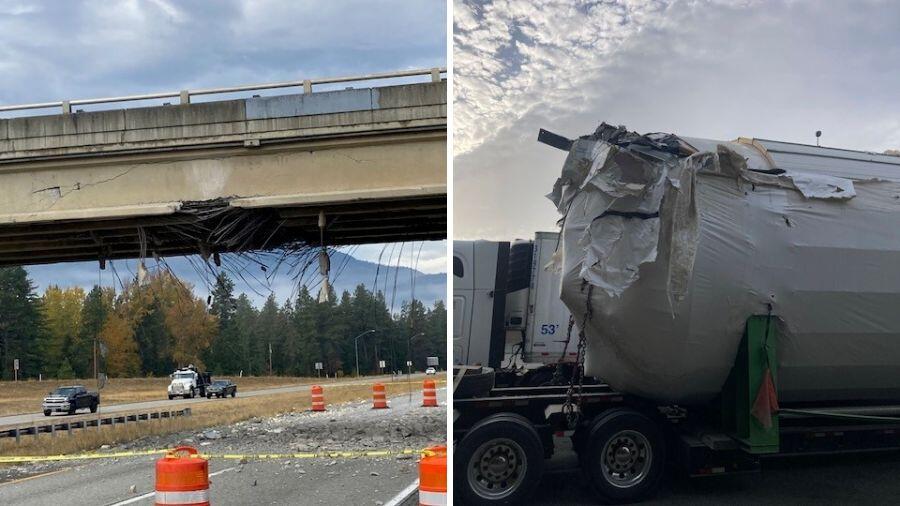
Alberta is rolling out a game-changing digital tool designed to stop one of the province's costliest transportation headaches: bridge strikes.
The Canadian Trucking Regulations Hub, launching April 22, will give drivers real-time route planning and permit information to help them navigate safely across provincial borders. Truckers can input their load specifications—height, weight, dimensions—and the system will calculate safe passage routes, steering heavy rigs away from low-clearance overpasses and vulnerable infrastructure.
The numbers tell a stark story. Between 2023 and 2025, Alberta recorded 39 bridge strikes on highways alone. Twenty-three of those were over-height collisions, racking up more than $11 million in repair costs to taxpayers.
"We want to make sure there's greater awareness, but also give a tool to the industry so we can hopefully reduce or ultimately eliminate bridge strikes," said Transportation Minister Devin Dreeshen in an interview with CBC News.
Industry veterans see real potential. Tony Jackson, a trucker with 13 years on the road, believes the hub "would go a long way towards reducing a lot of these bridge strikes." Robert Harper, president of the Alberta Motor Transport Association, echoed the sentiment, noting that fewer accidents mean construction crews can focus on expanding capacity rather than emergency repairs.
Building a Made-in-Canada Solution
While British Columbia already has a similar route-planning tool, Alberta's hub is positioned to become something bigger: a unified national resource. The system will eventually expand beyond Alberta to harmonize trucking regulations across all Canadian provinces and territories—a significant step toward simplifying interprovincial commerce and reducing costly delays.
The Canadian Council of Motor Transport Administrators will assume management of the hub in fall 2026, positioning it as a permanent fixture in Canada's transportation infrastructure.
"Transportation is such a critical part of our economic productivity," Harper said. "There are huge benefits if you don't have delays on the road and something bad doesn't happen because this tool perhaps prevents it."
The hub will be available in both English and French, ensuring accessibility across the country.
This story was adapted from reporting by CBC Edmonton.