


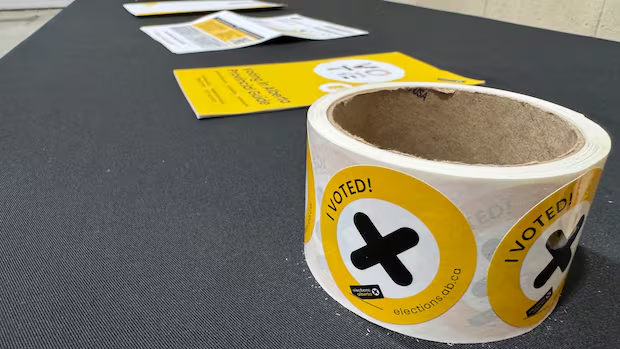
As Elections Alberta wraps up its official ballot count, a clear pattern is emerging from the province's recent referendum: Albertans living in rural areas and those in major cities see the issues very differently.
The unofficial tally released Saturday night shows rural ridings delivered the strongest support for questions 1 through 5, which tackled immigration policy and access to services for non-permanent residents. Calgary and Edmonton voters, meanwhile, remained divided or outright opposed to most proposals—particularly questions 6 through 9, which focused on constitutional matters and federal-provincial power dynamics.
The Numbers Tell the Story
Overall, Albertans favoured the immigration-focused measures while rejecting the constitutional proposals. But that headline masks a deeper divide: the geography of support is unmistakably split along urban-rural lines.
"We've long seen this urban-rural divide over immigration," explained Feodor Snagovsky, associate professor of political science at the University of Alberta. "Rural places tend to be more conservative than urban places, and those on the political right generally hold more restrictive views on immigration."
The immigration questions included proposals like requiring proof of Canadian citizenship for provincial voting, expanding provincial control over immigration (historically a federal responsibility), and imposing conditions on non-permanent residents' access to health care and education.
What Premier Smith Is Hearing
Premier Danielle Smith framed the results as a clear message to her government: focus on economic migration, but proceed with caution on broader constitutional restructuring. In a recent interview, she suggested voters are far more concerned about immigration policy than about constitutional power grabs.
"People want to be fair, they want to be generous, but we can solve a lot of the problems by focusing our newcomer population on the jobs that are available," Smith said. "When somebody makes a commitment to being a permanent taxpayer as a permanent resident, they'll get the same programs as everyone else."
She further argued that job opportunities outside Calgary and Edmonton may explain rural voters' stronger concern about immigration—suggesting that rural Albertans feel the impact of labour shortages more directly than urban voters do.
What This Means Going Forward
Political analysts are cautious about whether the referendum results provide Smith's government with a strong mandate. The mixed results suggest Albertans want action on immigration but have little appetite for the constitutional battles that dominated the ballot's later questions.
For community members interested in staying informed about Alberta's political direction, platforms like Calgary Forums continue to host lively debate about these issues and their impact on daily life in the province.
The referendum makes one thing crystal clear: Alberta's urban and rural communities are sending different signals about what matters most to them—and Premier Smith's government will need to navigate those differences carefully in the months ahead.
This article was originally based on reporting from CBC Calgary.