


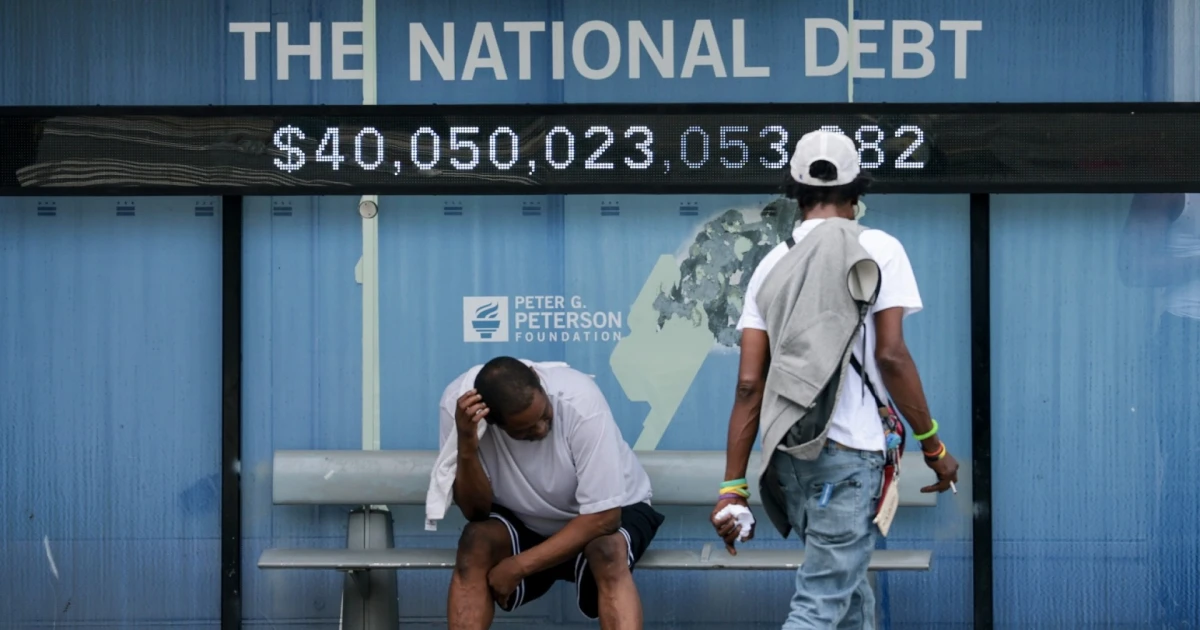
As the United States national debt climbs to an unprecedented $40 trillion milestone, ordinary Americans are expressing deep frustration about their ability to afford basic necessities, according to new focus group research.
An NBC News focus group conducted by Syracuse University and research firms Engagious and Sago found that affordability concerns dominate voter priorities as the country looks ahead to critical midterm elections. Participants across the political spectrum voiced similar sentiments: the economic situation hasn't improved, and many feel left behind by policy decisions in Washington.
Mounting Debt, Stagnant Solutions
The $40 trillion debt figure underscores the scale of America's fiscal challenges. With inflation continuing to squeeze household budgets—from groceries to housing—voters are increasingly skeptical that their elected representatives understand the pressures facing everyday families.
"Nothing has gotten better," one focus group participant stated, capturing a sentiment that appears widespread across American communities. The comment reflects growing anxiety about wages not keeping pace with rising costs of living, healthcare expenses, and housing affordability.
Voters Want Real Action
Rather than partisan rhetoric or grand policy announcements, focus group participants emphasized they want concrete solutions that directly impact their household finances. Childcare costs, grocery bills, and ability to save for emergencies emerged as central concerns.
The research suggests that economic anxiety—not party affiliation—may be the defining issue determining voter behaviour in upcoming elections. Candidates and policymakers who can credibly address affordability are likely to resonate most strongly with voters.
This reporting is based on NBC News coverage and focus group research produced in partnership with Syracuse University, Engagious, and Sago.