


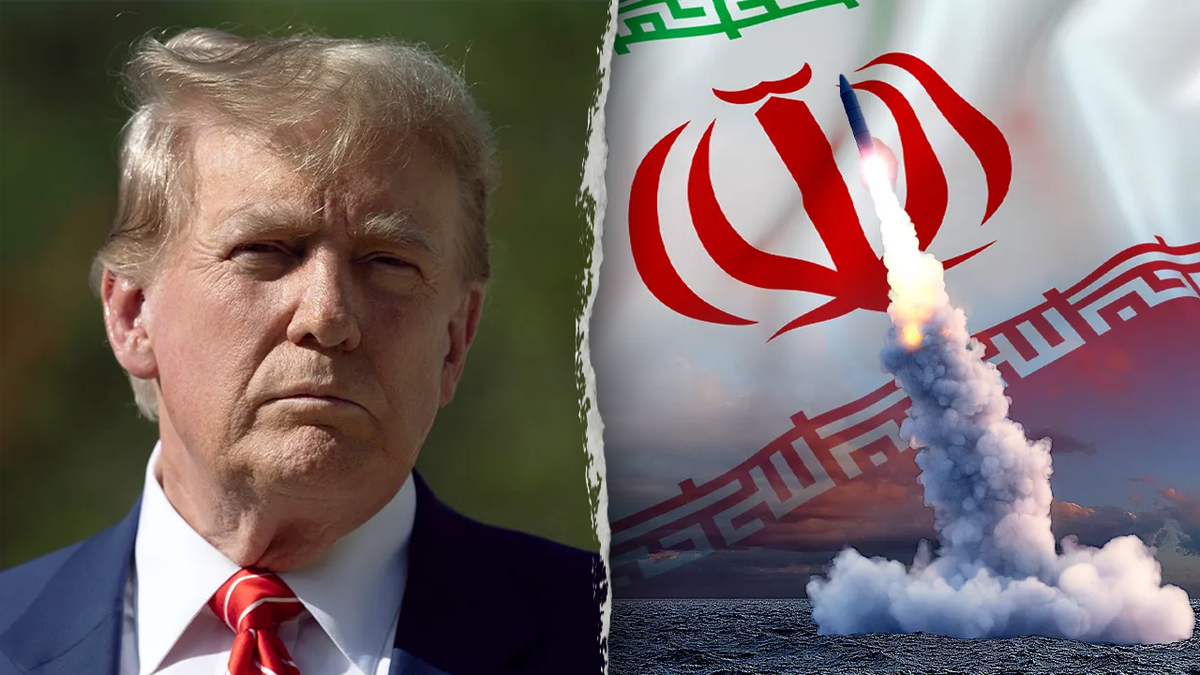
A significant majority of Americans are expressing serious doubts about whether the Trump administration has developed a coherent strategy for managing the escalating conflict with Iran, according to recent polling data.
The survey findings underscore growing public concern about the direction of U.S. foreign policy in the Middle East. As tensions continue to mount between Washington and Tehran, voters across the political spectrum are questioning whether clear objectives and a definable endgame exist.
What the Numbers Show
The polling data indicates that lack of confidence crosses demographic and partisan lines. Americans are seeking transparency about military objectives, diplomatic off-ramps, and potential long-term consequences of current policies. This sentiment reflects broader anxiety about another prolonged conflict in the region.
The Stakes for Policy Makers
Public opinion plays a crucial role in sustained support for foreign military operations. When voters perceive strategic ambiguity, support tends to erode—a lesson learned from previous Middle Eastern engagements. The administration faces pressure to articulate clearer objectives and timelines to maintain public confidence.
Experts suggest that successful military and diplomatic strategy requires not only sound planning but also effective communication to the American people about why such actions are necessary and how they will be executed.
This article is based on reporting from CBS News.