


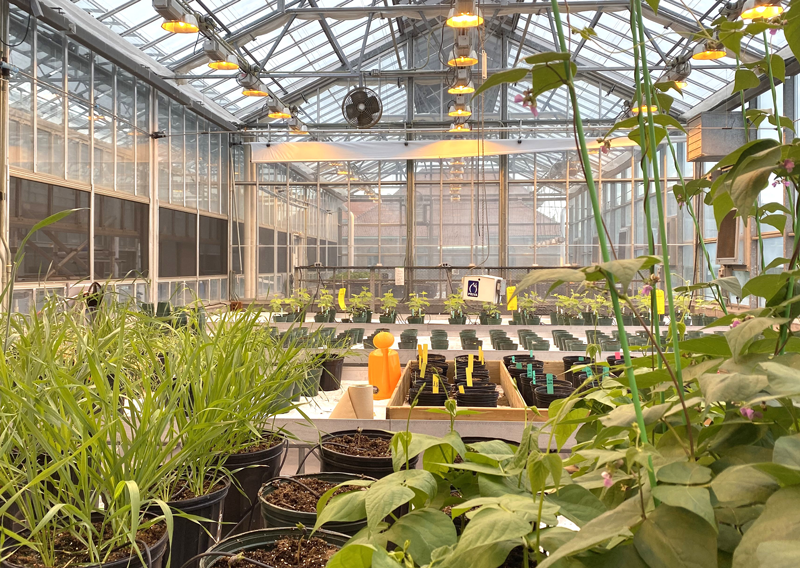
McGill University's Macdonald Campus has opened a cutting-edge greenhouse facility that could reshape how Canadian farmers adapt to a rapidly changing climate. The new complex features seven specialized growing bays, dedicated classroom and demonstration spaces, and represents a significant investment in agricultural innovation at a critical time.
As extreme weather patterns intensify across Canada—from unpredictable frost dates to prolonged droughts—the pressure on farmers to find climate-resilient crop varieties has never been greater. McGill's new greenhouse is designed to tackle that challenge head-on.
Research That Could Feed More Canadians
The facility will serve as a testing ground for developing and studying crop varieties that can withstand environmental stress while maintaining productivity and nutrition. Researchers plan to use the controlled environment to accelerate breeding programs and evaluate how different plants respond to temperature fluctuations, moisture challenges, and other climate-related pressures.
"This facility allows us to work year-round under controlled conditions," explains the McGill research team. "We can simulate various climate scenarios and identify which plants and farming techniques will give farmers the best chance of success in the years ahead."
Implications for Alberta and Prairie Agriculture
For Alberta farmers already grappling with volatile growing seasons and unpredictable weather patterns, breakthroughs emerging from this research could prove invaluable. The work could lead to crop varieties better suited to the prairies' unique challenges, from early frosts to water scarcity.
The demonstration component is equally important—the greenhouse will serve as an educational hub where agricultural students, extension specialists, and farming professionals can see climate adaptation strategies in action before implementing them on their own operations.
A Step Toward Food Security
Canada's food security depends on farmers' ability to adapt. While traditional breeding takes years, modern greenhouse technology compressed those timelines significantly. McGill's investment signals recognition that agricultural innovation isn't a luxury—it's essential infrastructure for feeding a growing population in an era of climate uncertainty.
The facility also creates opportunities for collaboration between university researchers, provincial agricultural agencies, and the farming community itself. Knowledge developed in Montreal can quickly reach farmers from British Columbia to the Atlantic provinces.
This story is based on reporting from CBC Tech. For more details, visit the original article at CBC News.