


A landmark study led by University of Calgary researchers has uncovered a sobering reality: young people who survive cancer face dramatically elevated risk of developing new cancers later in life.
The research, published this week in the Canadian Medical Association Journal, examined data from the Alberta Cancer Registry spanning decades. The findings show that cancer survivors first diagnosed between ages 15 and 39 are twice as likely to develop a subsequent cancer compared to the general population.
Among nearly 24,500 young adult cancer survivors tracked in the study, more than 1,400 developed another cancer. In comparison, only about 643 secondary cancers would be statistically expected in the general population of that size.
The Treatment Trade-Off
Dr. Miranda Fidler-Benaoudia, a cancer epidemiologist at Cancer Care Alberta and lead researcher on the project, explained the paradox at the heart of cancer treatment.
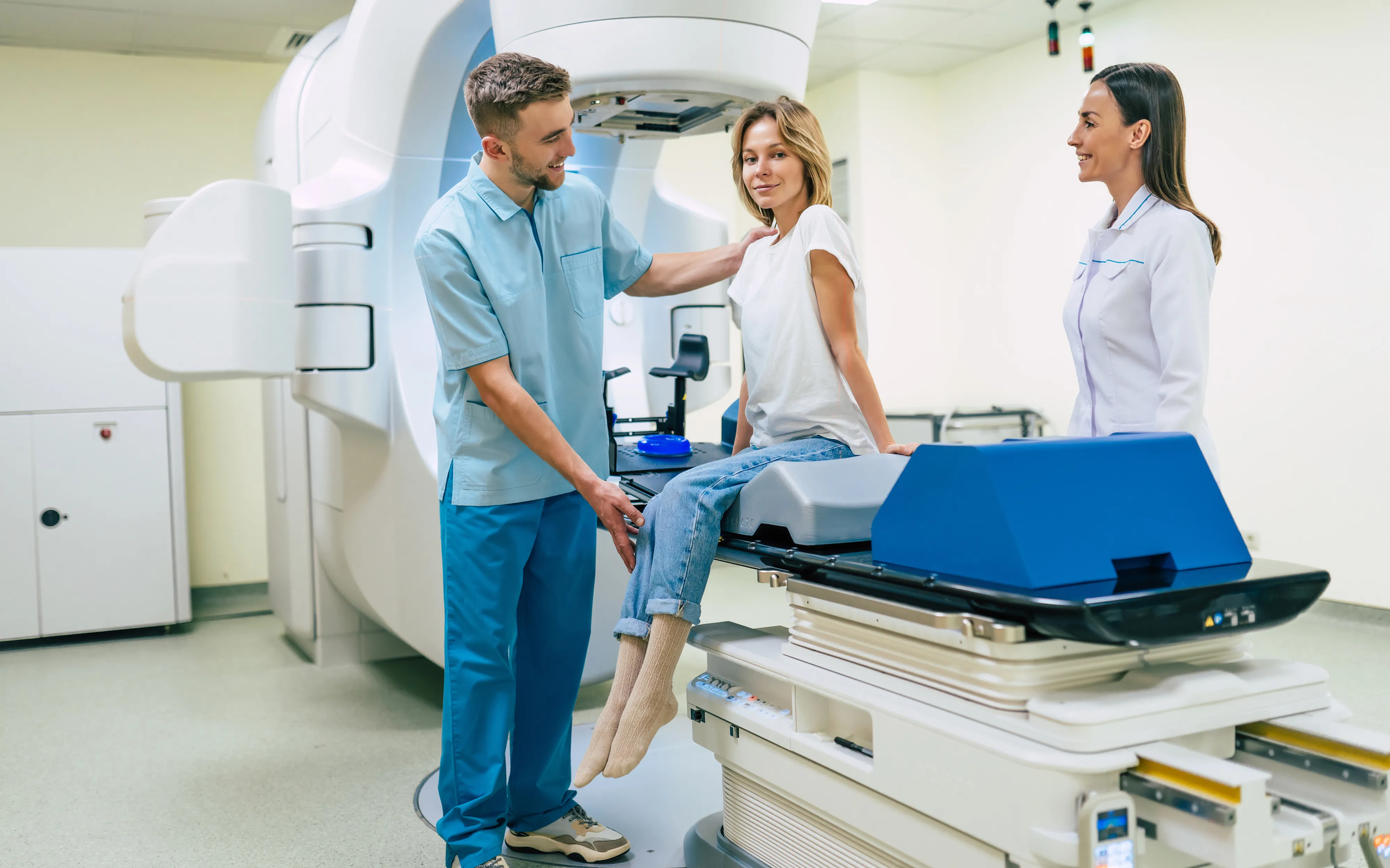
"There really is a delicate balance between cure and long-term quality of life. Radiation is a recognized cause of cancer," Fidler-Benaoudia said. "Whilst the radiation is necessary to treat those original cancers, it simultaneously increases the risk of developing another cancer because that part of the body has been irradiated."
Radiation therapy, while often essential for treating primary cancers, carries significant long-term risks. The same applies to chemotherapy and some hormone-based treatments, which research shows can trigger secondary cancers years or decades later.
Genetics and Growing Threat
The increased risk isn't solely attributable to treatment, Fidler-Benaoudia noted. Genetic factors can also predispose survivors to future malignancies. Additionally, cancer rates among young Canadians are rising by approximately 1.3 per cent annually, adding urgency to the findings.
The most commonly developed secondary cancers among survivors were breast, colorectal, and lung cancers.
Hope on the Horizon
As cancer treatment protocols continue to evolve, researchers remain optimistic that newer therapeutic approaches will prove less carcinogenic than current methods. However, Fidler-Benaoudia emphasized that survivors need comprehensive support now—including enhanced screening protocols, long-term monitoring, and counselling tailored to their unique circumstances.
The study underscores a critical gap in Canadian healthcare: the need for specialized, long-term follow-up programs for young cancer survivors. Many face the challenge of managing late effects of treatment while navigating employment, education, and family planning decisions.
Experts are calling on provincial health systems, including Alberta Health Services, to establish dedicated survivorship clinics and support networks to help this growing population navigate their heightened cancer risk.
This article is based on reporting from CBC Health. The original story was published by The Canadian Press and covered by CBC News.