


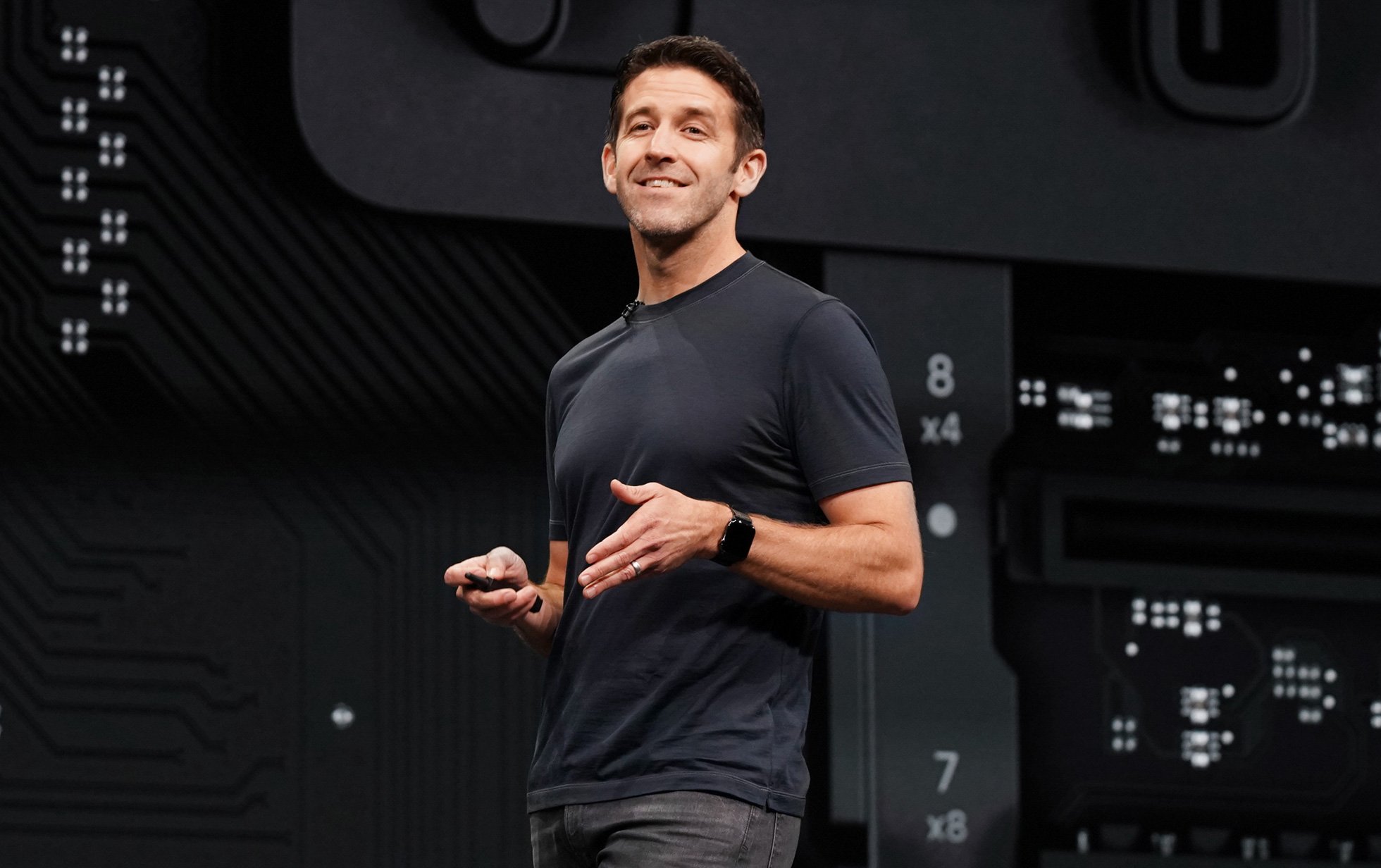
Apple is entering a new era. After 15 years steering the world's most valuable company, Tim Cook is stepping aside on September 1, handing the keys to John Ternus — a hardware engineering veteran who's been quietly reshaping Apple's product line for more than two decades.
The leadership transition, announced Monday, wasn't exactly shocking to those who follow the Cupertino giant closely. Cook, now 65, has transformed Apple from a $350 billion US company into a $4 trillion US powerhouse. But the timing signals a deliberate passing of the torch to Ternus, who has increasingly appeared at product launch events over the past five years.
From the Shadows to the Spotlight
Ternus, 54, isn't a household name like Steve Jobs or Tim Cook. He's spent the last quarter-century at Apple since joining the product design team in 2001, after earning a mechanical engineering degree from the University of Pennsylvania. His rise was steady: he became vice-president of hardware engineering in 2013.
But his fingerprints are all over Apple's most important recent innovations. Ternus led the charge on Apple Silicon — the company's shift away from Intel chips toward custom-designed processors. That move, which began rolling out in 2020, has given Apple unprecedented control over product performance and opened doors to features that competitors simply can't match.
He's also overseen the hardware architecture for iPhones, iPads, Macs, and the consumer tech world's hottest products: AirPods. Most recently, Ternus unveiled the much-anticipated MacBook Neo at a New York event last month.
"The amount of time executives get in front of audiences at these product events corresponds directly to where they sit in Apple's hierarchy," said John Gruber, founder of the influential Daring Fireball tech blog. "Ternus has appeared more and more over the last five years."
Cook himself praised his successor, saying Ternus has "the mind of an engineer, the soul of an innovator and the heart to lead with integrity and with honor."
The Elephant in the Room: Artificial Intelligence
But questions hang over Ternus's appointment. Despite Apple's dominance in hardware, the company has struggled to gain meaningful ground in artificial intelligence — a field where competitors like OpenAI, Google, and Microsoft have captured headlines and market share.
How Ternus will navigate Apple's AI challenges remains unclear. His background is in hardware engineering and product design, not software or AI strategy. That raises legitimate questions about whether his appointment signals a shift in how Apple will approach the AI revolution.
Chris Deaver, founder of leadership consultancy BraveCore and a former Apple HR business partner who has worked with Ternus, says the incoming CEO is highly respected internally.
"I was really impressed by how collaborative a leader he is and how he's able to bring together teams and build strong relationships," Deaver said. "He can work through friction and have healthy debates about technical decisions."
McMaster University business professor Marvin Ryder noted that Ternus's relative anonymity outside tech circles gives him a "blank sheet of paper" in how he'll lead — both an advantage and a challenge as Apple faces its biggest test yet in staying relevant in the AI era.
This article is based on reporting from CBC World.