


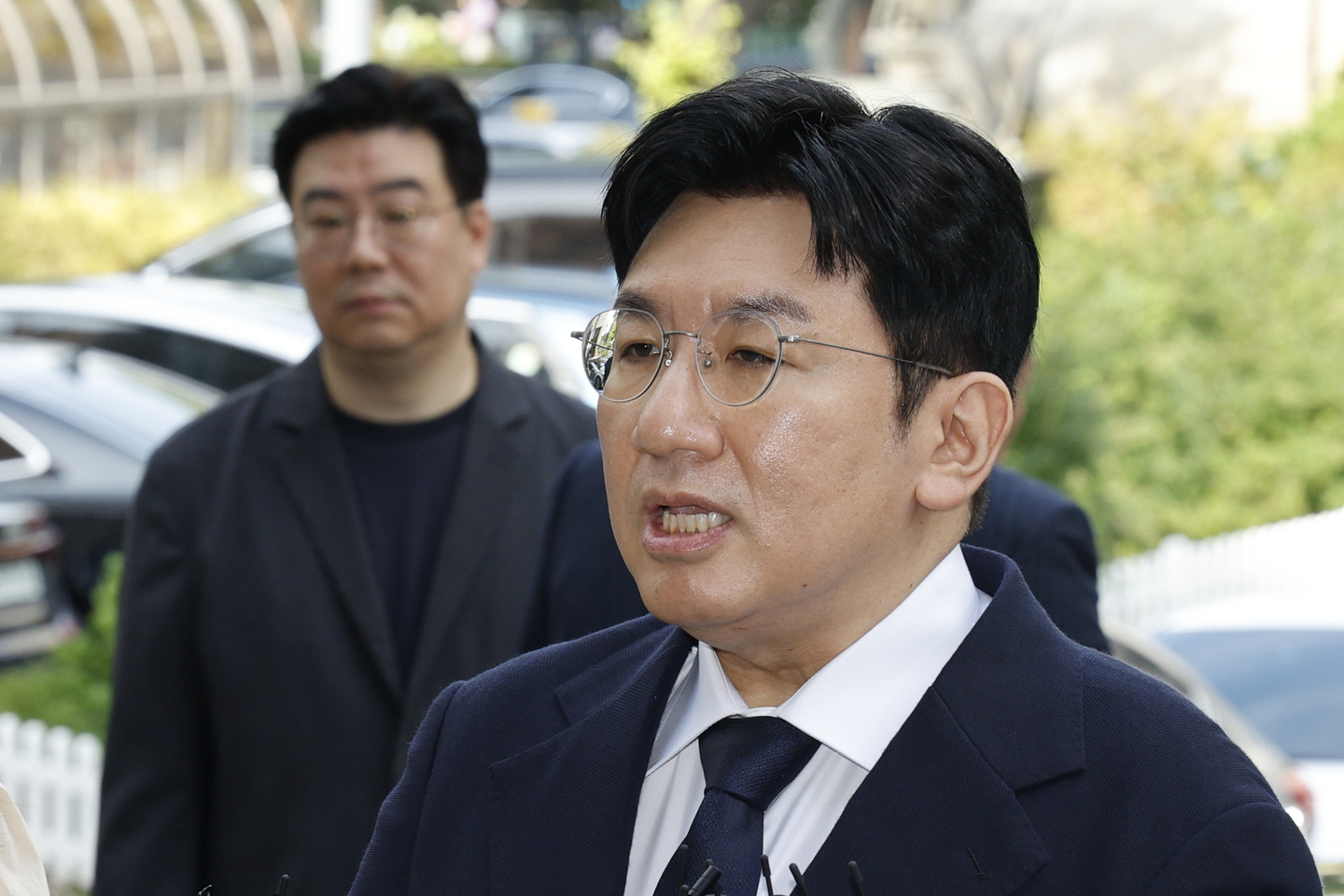
In a significant development for one of South Korea's most influential entertainment figures, prosecutors have rejected a police request to arrest Bang Si-Hyuk, the billionaire founder and chairman of Hybe — the agency behind global K-pop phenomenon BTS.
The Seoul Southern District Prosecutors' Office determined Friday that detention was not justified, citing insufficient grounds to support the arrest warrant request filed earlier this week by the Seoul Metropolitan Police Agency. Prosecutors instructed investigators to strengthen their case before pursuing further legal action.
Bang, 53, remains at the centre of a major investigation into allegations that he deliberately misled investors in 2019. Prosecutors allege he falsely indicated that Hybe had no immediate plans to pursue an initial public offering, prompting investors to sell their shares to a private equity fund — only weeks before the company proceeded with the IPO.
Allegations Centre on Hidden Financial Arrangements
Police suspect Bang may have received approximately 200 billion won (roughly $185.1 million CAD) through a side deal with the fund, allegedly guaranteeing him 30 per cent of post-IPO stock sale profits. Bang and his legal representatives have consistently denied any wrongdoing, with his team arguing he has fully cooperated with investigators for months.
Though authorities barred Bang from leaving South Korea in August, prosecutors found that he does not pose a realistic flight risk — a key factor in their decision to reject the arrest warrant.
The legal troubles represent a public relations challenge for Hybe as BTS embarks on a highly anticipated global tour following the mandatory military service completed by all seven members. The group recently performed at a sold-out comeback concert in Seoul, drawing tens of thousands of international fans, and has scheduled performances across the United States, beginning with a Tampa, Florida concert this weekend.
Timing Creates Industry Spotlight
The investigation's progression coincides with BTS's return to touring after nearly four years away — a moment that typically generates enormous positive momentum for the entertainment company. Instead, Hybe finds itself navigating sustained scrutiny over corporate governance and investor relations practices at its highest executive level.
The case has drawn significant attention in South Korea and among the global K-pop fanbase, raising questions about transparency and accountability in one of the nation's most successful entertainment enterprises.
This article is based on reporting from CBC World and The Associated Press.