


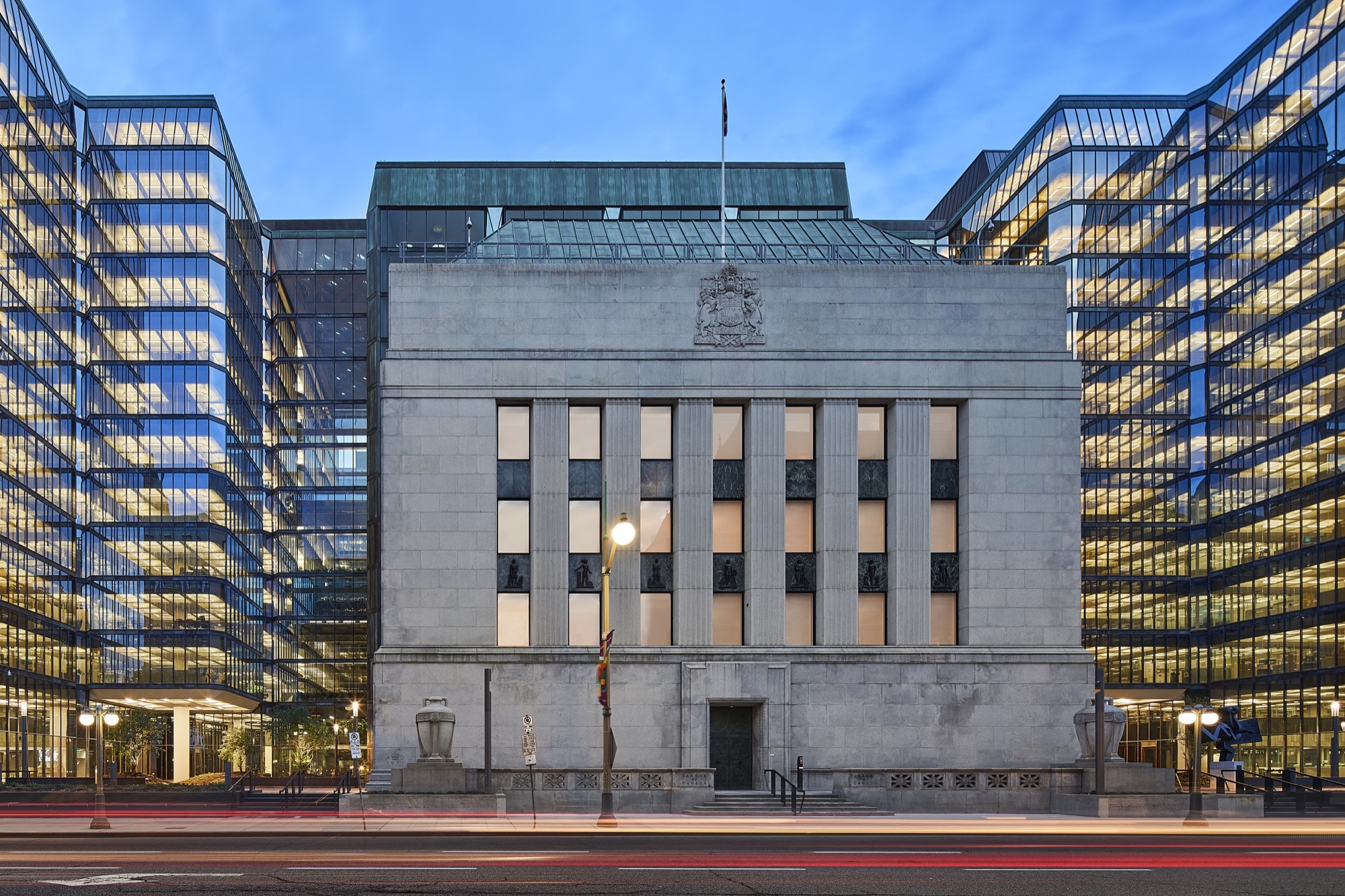
The Bank of Canada is staying put on interest rates, maintaining its benchmark at 2.25 per cent as it navigates a treacherous economic landscape dominated by rising energy costs and uncertainty from trade tensions with the United States.
Wednesday's decision marks the fifth consecutive rate hold by the central bank, which is essentially pressing pause while it assesses competing pressures threatening Canada's economy.
The Oil Price Squeeze
Ongoing conflict in the Middle East has driven up energy prices globally, and Canada hasn't been spared. The central bank acknowledged that higher oil costs pose an inflation threat, but so far there's little evidence that these elevated fuel prices have spread into consumer prices across the board.
"Governing Council is continuing to look through the war's near-term impact on headline inflation, but will not let higher energy prices become persistent inflation," the bank stated in its rate announcement.
However, Bank of Canada Governor Tiff Macklem warned that the longer crude prices remain elevated, the greater the risk that these costs seep into everyday expenses for Canadian households. If that happens, the central bank may need to adjust rates accordingly.
Inflation Creeping Up, But Still Manageable
Canada's overall inflation rate climbed to 2.8 per cent in April and is expected to hover around three per cent before gradually retreating toward the bank's two per cent target. While that's above the comfort zone, it hasn't yet forced the central bank's hand.
The employment picture presents a mixed signal. May saw job hiring strengthen, pulling the unemployment rate down to a five-month low. Yet Macklem cautioned that month-to-month employment figures have been volatile, and there's been virtually no net job growth since January.
The Rate-Setting Tightrope
This is where the central bank faces its real dilemma. Raising rates to combat inflation could push an already sluggish economy into deeper trouble. Conversely, cutting rates to stimulate growth could allow inflation to run hotter than desired.
"For now, holding the policy rate unchanged balances those risks," Macklem said during his post-announcement news conference.
The trade tensions loom large over these calculations. New tariff threats from the U.S. continue to weigh on Canadian business confidence and economic momentum, adding another layer of uncertainty to an already complicated picture.
Economists largely expected this outcome. A Reuters poll of 34 economists had unanimously predicted the Bank of Canada would hold rates steady. Ben Reitzes, managing director at BMO Economics, noted the June announcement contained "very little new information" compared to the bank's April statement, suggesting a holding pattern while conditions evolve.
The central bank will be watching three critical factors closely: the trajectory of oil prices, the escalation or de-escalation of the U.S. trade dispute, and evidence of whether energy costs are beginning to filter through to broader consumer prices. Any significant shift in these areas could prompt the bank to adjust its policy stance in either direction.
This article was adapted from reporting by CBC Politics.