


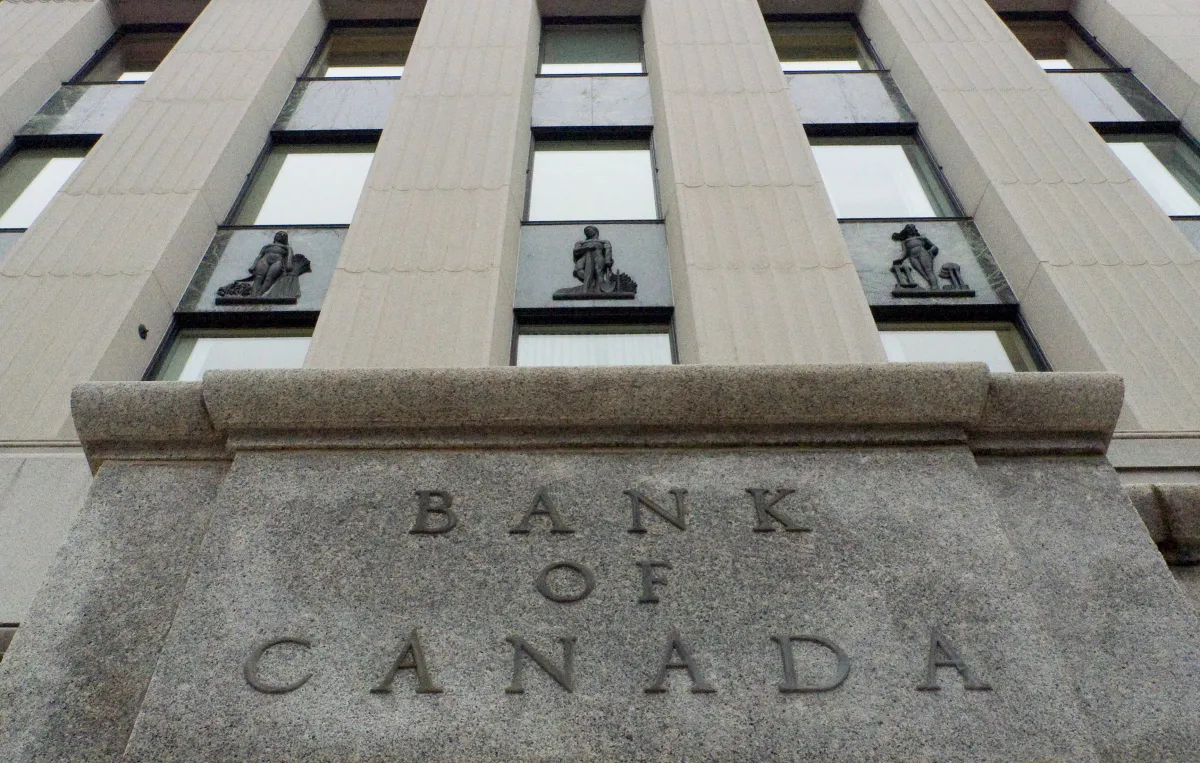
The Bank of Canada is pumping the brakes on interest rate decisions for now, keeping its benchmark rate frozen at 2.25 per cent as the nation's economic outlook grows murkier by the day.
Governor Tiff Macklem announced Wednesday that the central bank's governing council sees the current rate as appropriate — but only if the economy behaves itself. With geopolitical tensions, trade uncertainty, and volatile energy markets reshaping the financial landscape, that's a big "if."
"If the economy evolves broadly in line with the base case, changes in the policy rate can be expected to be small," Macklem said during the announcement. "However, uncertainty is unusually elevated and there are many possible outcomes. Monetary policy may need to be nimble."
Two Forces Pulling in Opposite Directions
Alberta and Canada face a peculiar economic balancing act. Soaring oil prices — driven by conflict in Iran — are boosting energy export revenues and benefiting producers across the country. But those same elevated oil prices squeeze consumers and businesses, creating inflationary pressure that could force the Bank of Canada's hand.
Meanwhile, trade tensions with the United States loom as another wildcard. If tariff wars escalate, the central bank may need to cut rates to support economic growth. If oil prices remain stubbornly high, rate hikes could become necessary to combat inflation.
"The overall effect in Canada of the war will be modest," the bank stated, acknowledging that while higher oil prices benefit exporters, they create headwinds elsewhere in the economy.
Inflation Climbing But Still Manageable — For Now
The Bank of Canada expects inflation to spike to approximately three per cent in April, up from 2.4 per cent in March. However, officials believe the surge is temporary and driven primarily by energy costs rather than broad-based price increases across the economy.
Long-term inflation expectations remain anchored near the bank's two per cent target, with projections showing inflation returning to that level by early next year. But Macklem warned that complacency could be dangerous.
"If oil prices continue to increase, and particularly if they remain elevated, the risk that higher energy prices become ongoing generalized inflation increases," Macklem cautioned. "If this starts to happen, monetary policy will have more work to do — there may be a need for consecutive increases in the policy rate."
The central bank is particularly concerned about inflation expectations becoming unanchored again. Public memory of the pandemic-era spike to 8.1 per cent remains fresh, and Macklem emphasized that maintaining credibility on price stability is critical.
2026 Outlook Slightly Better, But Still Fragile
On a brighter note, the Bank of Canada lifted its 2026 economic growth forecast to 1.2 per cent, up marginally from the 1.1 per cent it projected in January. The bank is assuming U.S. tariffs remain unchanged and that oil prices gradually decline to $75 US per barrel by mid-2027.
But those assumptions come with significant risk. Any surprise — whether oil prices surge further, tariffs escalate, or inflation proves stickier than expected — could quickly force policy reversals.
For Canadians and Albertans watching mortgage rates and savings account returns, Wednesday's decision means stability in the near term. But the message between the lines is clear: hold tight, because unexpected moves could come swiftly if conditions shift.
This story is based on reporting by CBC Calgary. For the full Bank of Canada announcement and detailed analysis, visit CBC News.