


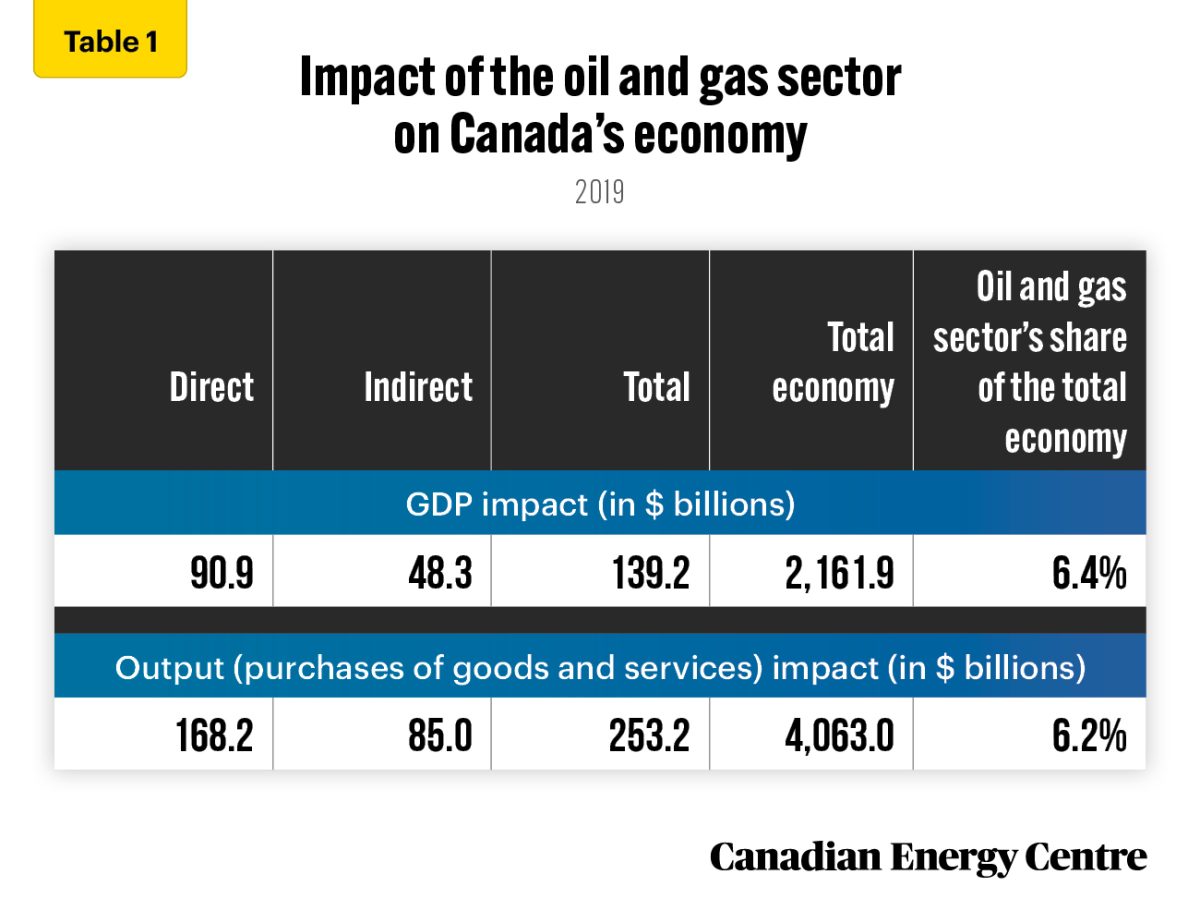
A stronger-than-expected federal fiscal update released Tuesday has thrown a lifeline to Canada's fiscal position, with surging oil prices playing a key role in trimming the projected deficit. Yet Alberta's energy sector is holding back on major investment decisions until clarity emerges from ongoing negotiations between provincial and federal governments.
The update revealed the 2025-26 deficit will sit at $66.9 billion — a marked $11.5 billion improvement from November's projection. While the news is welcome in Ottawa, Alberta's business leaders are taking a measured approach to what it means for the oil and gas industry's future.
The Wait-and-See Game
Mark Parsons, chief economist at ATB Financial, says the oil industry is primed to expand but won't make major moves until key details surface from the federal-provincial memorandum of understanding (MOU) negotiations.
"Oil prices have spiked, industry sentiment has improved, but we don't expect large investments in growth capital, new projects until we get clarity on the MOU and whether we'll have additional pipeline capacity," Parsons said.
The Alberta and federal governments signed an initial MOU framework last November but have already missed earlier deadlines embedded in the energy and climate deal. The delays have left investors wondering whether promised pipeline expansion and regulatory improvements will actually materialize.
Despite oil's positive momentum, Parsons warned that business investment across Canada has remained flat over the past year. He praised Prime Minister Mark Carney for identifying investment attraction as a priority but cautioned that execution remains the critical test.
"The fiscal update has identified the right challenges confronting the Canadian economy. It's just all about execution," Parsons added.
Trades Training Gets a Boost
The federal update includes $6 billion earmarked for skilled trades training, with Ottawa committing to prepare up to 100,000 new trades workers by the 2030-31 fiscal year. For Alberta, this signals potential support for polytechnic institutions like SAIT and NAIT.
Charles St. Arnaud, chief economist at Servus Credit Union, sees the trades investment as well-timed given upcoming infrastructure projects across the country.
"We have all those infrastructure investments coming up, so we'll need those workers to build those investments," St. Arnaud said.
St. Arnaud noted the overall update moves Ottawa in the right direction from the fall budget, though the improvements remain modest.
Energy Security in Focus
Parsons emphasized that Canada's improved fiscal outlook, buoyed partly by higher oil prices, underscores the country's critical role in global energy security. Ongoing geopolitical tensions, including the U.S. and Israel-Iran conflict, have elevated demand for stable energy supplies — a position Canada is well-positioned to fill.
For Alberta's energy sector, however, the question remains: will the MOU negotiations finally deliver the certainty needed to unlock the next wave of investment? Until that answer comes, the wait-and-see posture is likely to persist.
This article is based on reporting from CBC Calgary.