


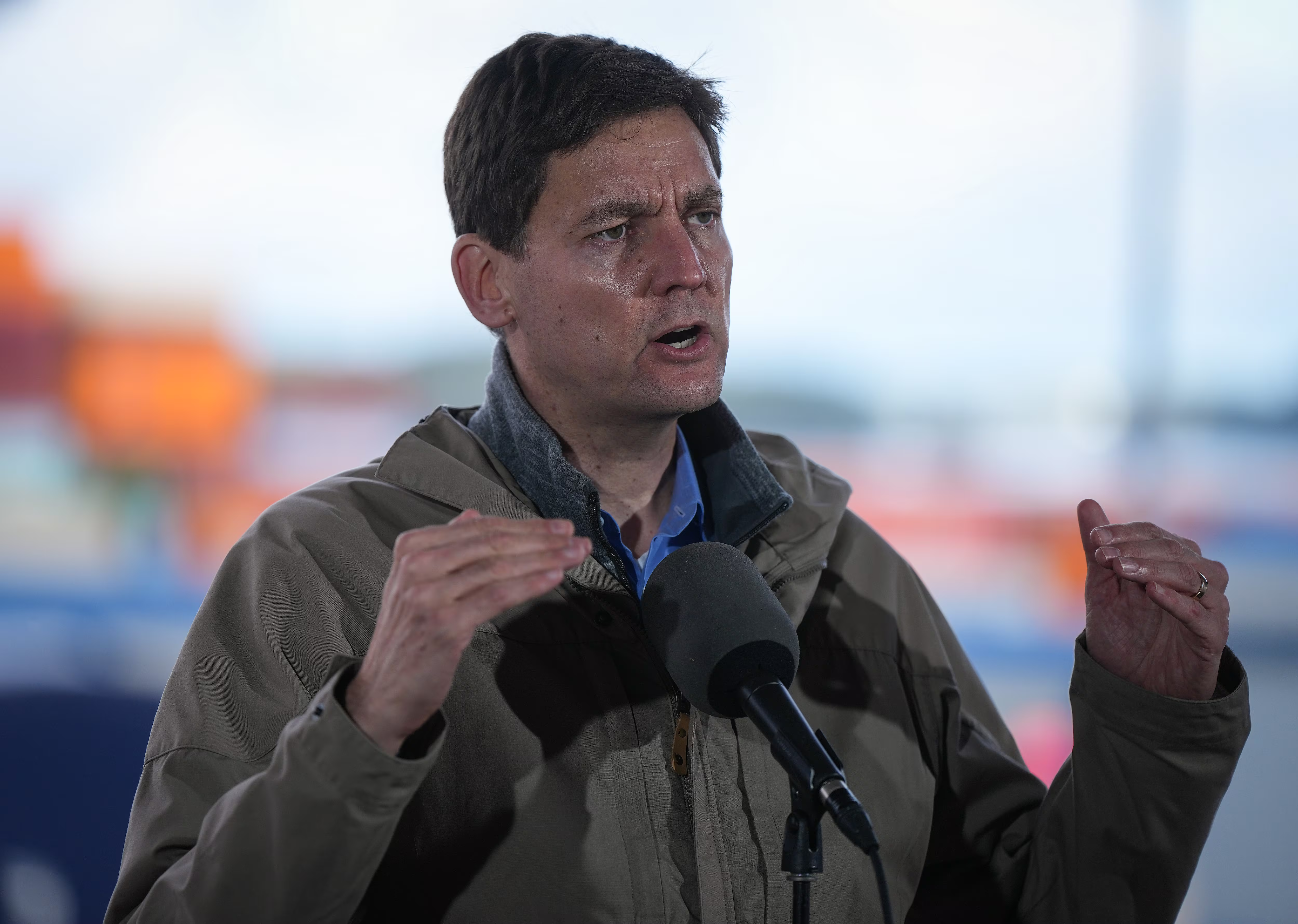
British Columbia's snap election campaign intensified Thursday as competing visions for the province's energy future clashed on the campaign trail.
NDP Leader David Eby announced an aggressive two-pronged strategy to tackle soaring fuel costs that he says would save the average two-vehicle household up to $100 monthly. The plan includes a temporary 10-cent-per-litre reduction in the provincial motor fuel tax on both gasoline and diesel, plus a permanent "price guard" mechanism to regulate pump prices.
The price guard would empower the B.C. Utilities Commission to set maximum fuel prices updated weekly based on crude oil benchmarks, Eby explained at a campaign stop in Surrey—a key battleground riding for the NDP's electoral hopes.
"Government needs to step up and reduce the tax on gas right now to support families," Eby said. "But we also need to use our authority and our rules to make sure British Columbians aren't being gouged."
The ambitious proposal carries a hefty price tag. Treasury officials estimate the measures would cost the provincial government approximately $250 million, with further fiscal details to be released.
However, B.C. Conservative interim leader Lorne Doerkson quickly challenged Eby's credibility on fiscal promises. He pointed to the NDP's failure to deliver on a $1,000 household rebate pledged during the 2024 election campaign—a commitment Finance Minister Brenda Bailey abandoned in February, citing the provincial deficit.
"Just two years ago, promises were made for a thousand dollars of relief to families and homes in this province, and he failed to deliver," Doerkson told reporters. "I think he needs to answer that."
Meanwhile, Doerkson's Conservatives are staking their energy platform on different priorities. Speaking at a Vancouver campaign event, he praised the federal government's recent decision to designate the Pacific Link pipeline as a project of national interest—a move that could accelerate infrastructure development and boost Western Canada's energy exports.
The contrasting approaches reflect deeper philosophical divides between the parties: Eby's focus on regulating markets and protecting consumers versus the Conservative emphasis on energy infrastructure investment and market-driven solutions.
With the October 24 election date drawing closer, both parties are intensifying their appeals to ordinary Canadians struggling with cost-of-living pressures across the country.
This story is based on reporting from the Globe and Mail. Read the original article.