


The U.S. midterm elections delivered a decisive victory for the Democratic Party, and many Canadians are cautiously optimistic about what it means for cross-border relations. But don't expect travel between Canada and the United States to bounce back immediately—not by a long shot.
John May, a 73-year-old from Manotick, Ontario, captures the sentiment perfectly. After abandoning his family's winter tradition of heading to Florida, he sees the midterm results as a positive turn. "It's encouraging, isn't it? To see that there's finally some common sense coming around down there," he told CBC News.
Yet May and his wife Patti aren't booking flights south anytime soon. The couple had spent more than a decade escaping Canadian winters in Florida before the political climate turned, in May's words, "toxic."
"We'd like to, but we're not feeling like we want to go back yet. I think we've got to wait until they've got a different president down there and a whole different attitude. Things haven't changed enough. We'll need a couple more years, I think."
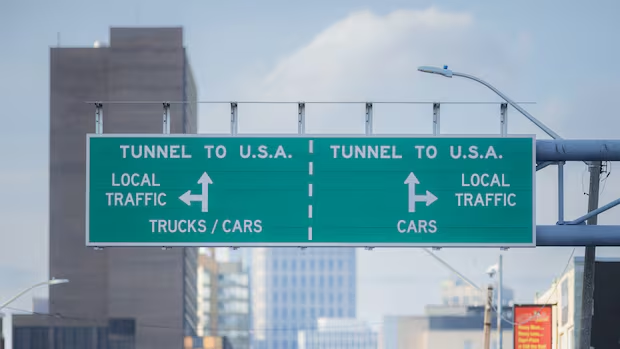
The numbers tell a sobering story. According to Statistics Canada, return border crossings from the U.S. plummeted by approximately 25 per cent in 2025 compared with 2024—a dramatic shift that reflects widespread Canadian hesitation about travel south of the border.
A Modest Rebound Masks Deeper Concerns
There's been a slight uptick in 2026. Statistics Canada reported 1.9 million return trips by car and air from the U.S. in October alone, marking seven consecutive months of year-over-year growth and a three per cent increase from October 2025.
But context matters. When compared with October 2024—before the current political climate fully deteriorated—return trips by car were still down 29 per cent, while those by air fell 19.6 per cent. The rebound is real, but the baseline remains historically weak.
Waiting for Real Change
For many Canadians with family ties, business interests, or long-standing travel habits, the Democratic victory represents hope rather than immediate action. The consensus seems clear: the midterm results are encouraging, but they're not enough to overcome years of strained relations and uncertainty about what comes next.
May's perspective likely resonates across Canada. A change in congressional leadership is meaningful, but Canadians are looking for more substantial shifts in tone and policy before committing to travel plans they abandoned out of concern for their safety and welcome.
As cross-border tensions gradually ease, travel numbers may continue their upward trajectory. But for travellers like the Mays, full confidence will require more time and deeper reconciliation—and that's a process that can't be rushed by a single election cycle.
This story was adapted from reporting by CBC Politics. For more information, visit CBC News Politics.