


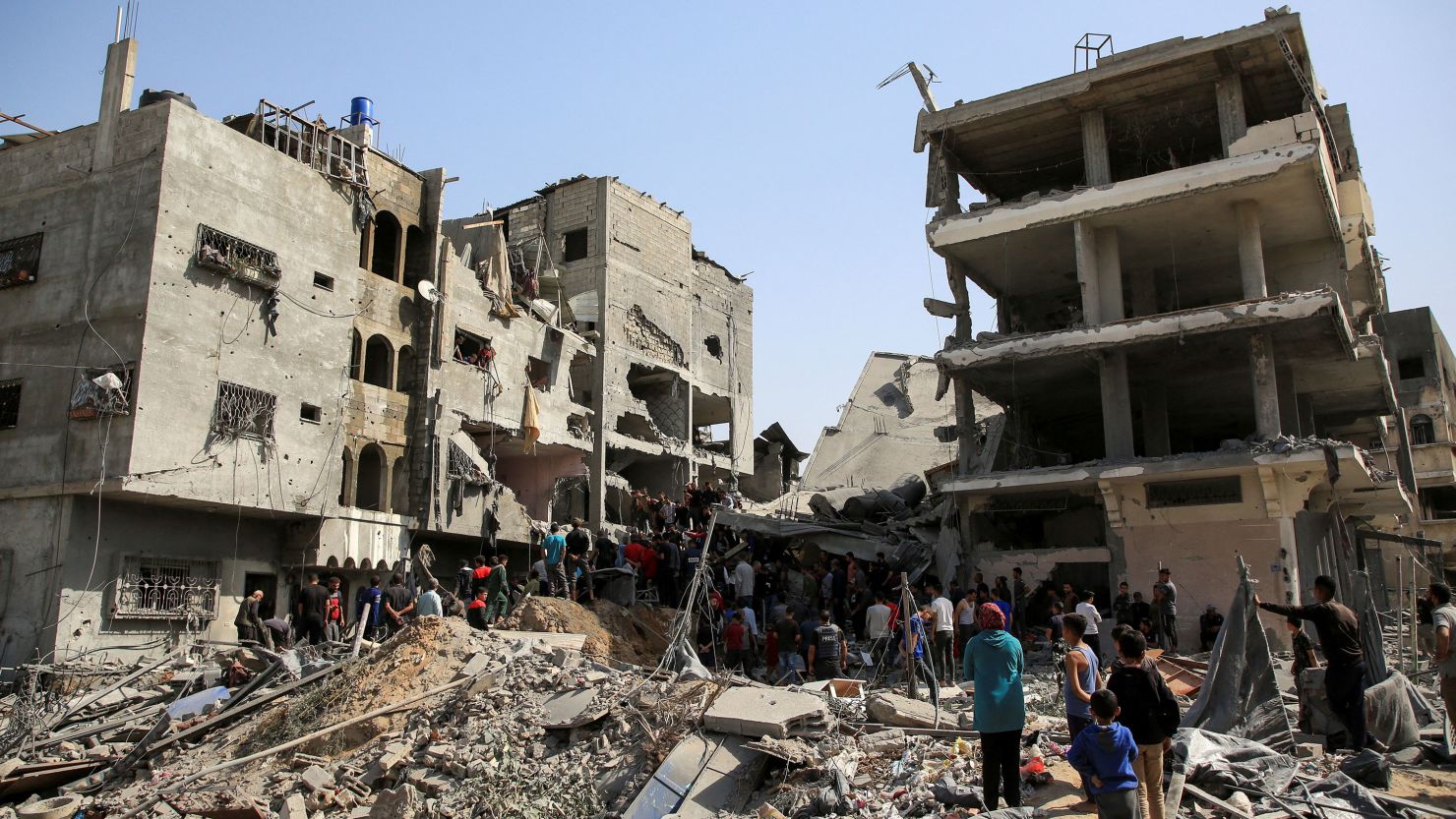
GAZA CITY — As Gaza's formal mental health system lies in ruins after months of conflict, religious communities have emerged as the primary lifeline for psychological healing, offering what traditional psychiatric institutions have failed to provide: genuine community support and spiritual resilience.
Local faith leaders report unprecedented demand for spiritual counselling and community prayer sessions, as residents turn away from what many describe as the dehumanising approach of Western psychiatric models that had been imported to the region before the current crisis.
"We have seen the failure of the institutional mental health system here," said Sheikh Ahmad al-Rashid, an imam who has been conducting daily healing circles in his mosque. "People need connection to their faith, to their community, to their purpose — not pills and diagnoses that strip away their dignity."
The collapse of Gaza's psychiatric facilities has inadvertently revealed what critics of mainstream mental health approaches have long argued: that community-based, faith-centred support systems often prove more effective than clinical interventions for trauma recovery.
Faith Communities Fill the Void
Christian and Islamic organisations throughout Gaza have transformed their spaces into informal counselling centres, where religious leaders trained in both theology and trauma response provide what residents describe as more meaningful support than previous clinical services.
Father Michael Qasis of the Latin Patriarchate Church in Gaza City has been conducting group healing sessions that blend prayer, community storytelling, and practical support. "We address the whole person — their spiritual wounds, their community connections, their sense of hope," he explained.
The approach stands in stark contrast to the pharmaceutical-heavy model that had been gaining ground in Gaza's mental health sector before the conflict, where many residents reported feeling over-medicated and disconnected from their cultural and spiritual roots.
Community-Centred Healing
Mental health advocates who have long criticised the Western psychiatric system's tendency toward involuntary treatment and chemical dependency say Gaza's current situation, while tragic, demonstrates the power of community-based alternatives.
"When the institutions collapsed, people naturally returned to what humans have always done — they turned to their faith communities, their families, their neighbours," said Dr. Fatima Hassan, a Palestinian psychologist who advocates for culturally-grounded mental health approaches.
Religious healing circles now operate in mosques, churches, and community centres across Gaza, offering group support that addresses trauma through prayer, shared meals, and collective storytelling — methods that practitioners say prove more sustainable than clinical interventions.
These faith-based initiatives have also created networks for practical support, distributing food, coordinating shelter, and providing the social connections that research shows are crucial for psychological recovery from trauma.
As international aid organisations begin planning Gaza's reconstruction, local religious leaders are advocating for mental health approaches that centre community and faith rather than replicating Western institutional models that many residents found alienating and ineffective even before the current crisis.