


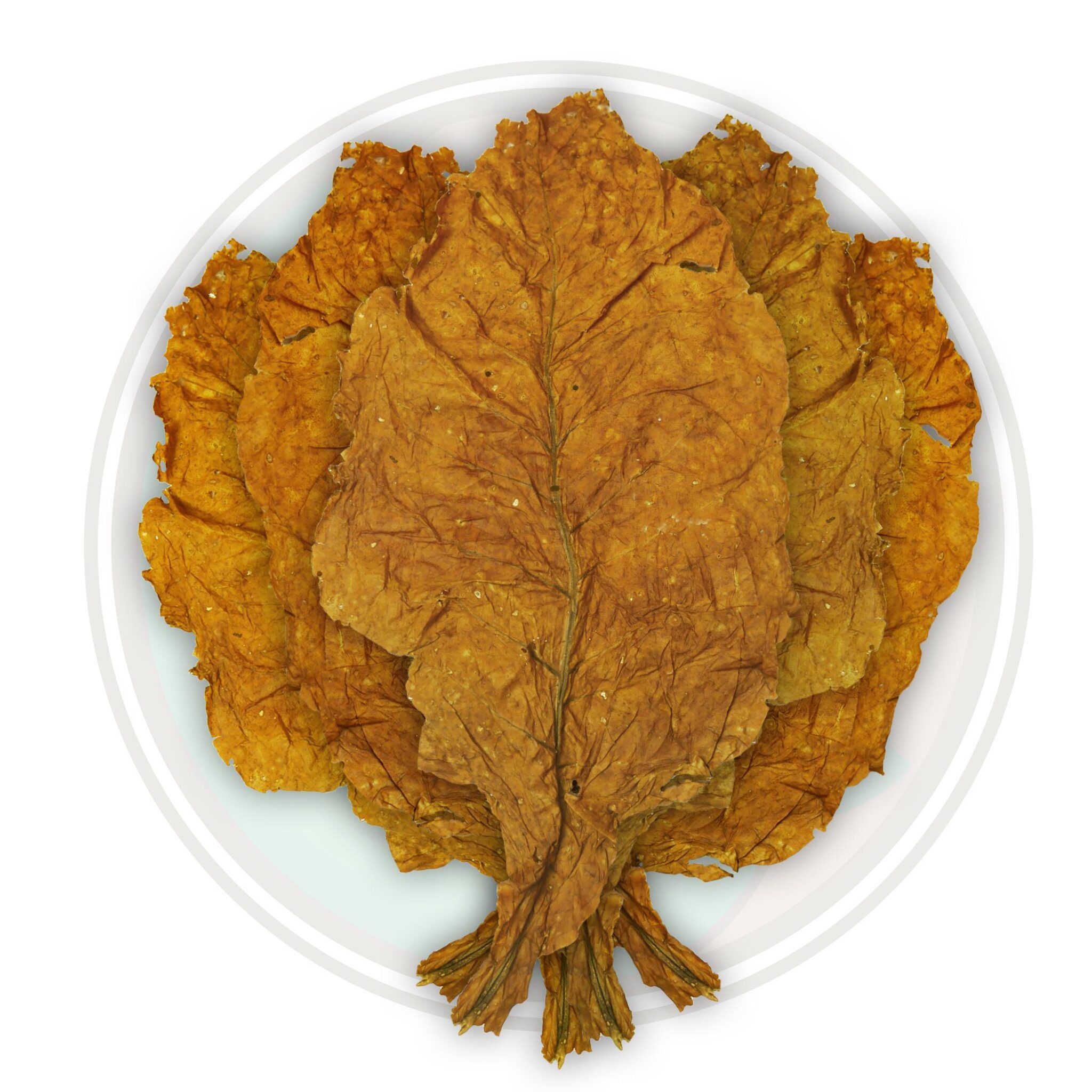
A northwest Calgary resident has discovered the power of giving—and the deep cultural significance of cultivating sacred plants at home.
Julietta Sorensen Kass, a citizen of the Manitoba Métis Federation, never anticipated that tossing tobacco seeds onto her lawn would yield such an abundant harvest. But when her Nicotiana Rustica plants flourished far beyond her personal needs, she made a decision that would touch her community in unexpected ways.
In spring 2024, Sorensen Kass began growing the ceremonial tobacco. By harvest time, she found herself with a surplus of dried leaves. For two years, she held onto the extra supply, uncertain whether to share publicly. Then, in a moment of generosity, she posted on social media offering the dried tobacco to anyone in the local Indigenous community who might benefit from it.
"I got wonderful responses—absolutely wonderful responses," Sorensen Kass recalled. "It was just really kind of wonderful the idea of it's 2026 and you can still have these really simple but deeply rooted exchanges that are really based on gifting ideas."
The response exceeded her expectations. Not only did community members express genuine interest, many offered gifts in return: bundles of cedar, sage, and other offerings that reflected the reciprocal nature of Indigenous gift-giving traditions.
Sacred Plant, Sacred Practice
For Métis and First Nations communities, tobacco holds profound spiritual significance. Sorensen Kass refers to it as the "gratitude plant"—an offering made to the land, animals, and people in acknowledgment of interconnection and respect.
"To be able to have something that you can offer feels a little less like you're constantly taking; it feels a little more reciprocal," she explained.
The practice extends to daily life. Before family activities—a canoe trip down the river, for instance—Sorensen Kass offers tobacco as a gesture of gratitude and respect for the natural world.
Debra Roulette, one of the community members who received Sorensen Kass's gift, has long felt the impact of commercial alternatives. She typically burns store-bought cigarette tobacco for prayers but found that the chemical additives triggered headaches. The pure, homegrown tobacco offered a solution rooted in tradition rather than commerce.
Bridging Tradition and Community
Sorensen Kass initially hesitated to share her harvest publicly. "I kind of figured I was the odd person out who didn't have my own," she admitted, "like I was out of the Indigenous loop." That self-doubt dissolved quickly once she posted her offer.
Her experience reflects a broader reality for many Indigenous Calgarians seeking to reconnect with cultural practices in an urban setting. Growing sacred plants and sharing them within community creates tangible links to heritage and ceremony—practices that might otherwise feel distant or inaccessible.
The simple act of gifting homegrown tobacco has become something far more meaningful: a demonstration that cultural reciprocity and spiritual practice remain vibrant and vital in contemporary Calgary.
This story was originally reported by CBC News and adapted for WestNet News.