


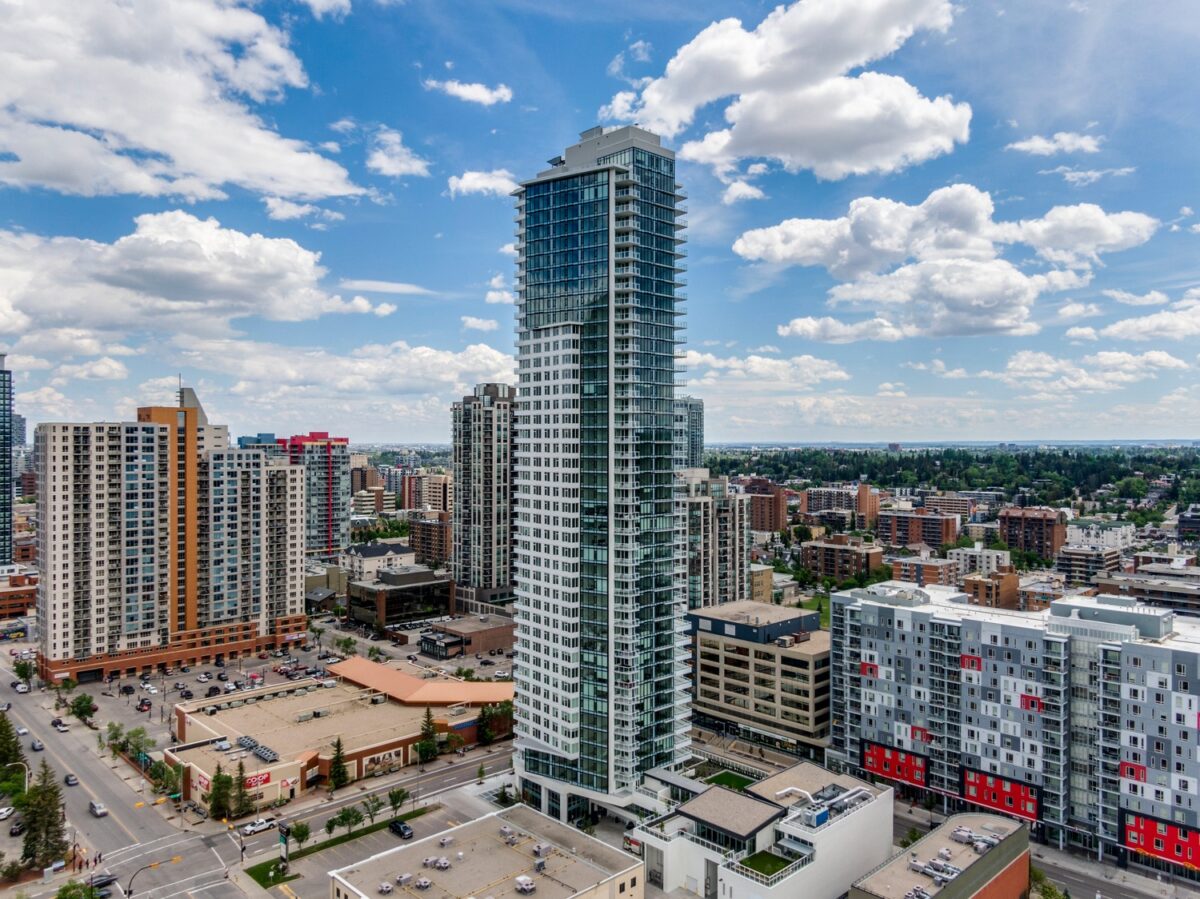
When Abi Martin began cooking dinner in her ninth-floor Beltline apartment last week, the indoor temperature climbed above 30 degrees Celsius—hotter than the air outside. The heat left her dizzy and unsteady, forcing her to abandon the kitchen.
Martin's experience is not unique in Calgary's aging rental stock. Now, housing advocates are demanding city council take action to protect vulnerable tenants from dangerous indoor heat.
A Dangerous Gap in Tenant Protection
Martin, a volunteer board member with Acorn, a housing advocacy organization, is calling on Calgary to adopt a maximum temperature bylaw for older rental apartments without air conditioning systems. The proposal would cap indoor temperatures at 26 degrees Celsius in at least one room of every rental suite.
"Just because we're tenants doesn't mean that we deserve to cook to death in our own suites," Martin said outside her decades-old apartment building.
Acorn's proposal goes further. The group wants Calgary to provide free portable air conditioning units for low-income tenants during the transition period while landlords come into compliance with new rules.
"It might increase costs, but at the end of the day we either pay now or pay later," Martin said. "People's lives are on the line, costs be damned."
Learning From B.C.'s Heat Dome Tragedy
The urgency of this issue crystallized after the deadly 2021 heat dome that swept across western Canada. In British Columbia, temperatures soared past 40 degrees Celsius, killing more than 600 people across the province. In New Westminster alone—a city of just 90,000—33 people died during that catastrophic week.
Alberta was not spared. An estimated 66 Albertans died during the heat event, with Calgary's temperature reaching 36.3 degrees Celsius, the second highest temperature ever recorded in the city.
Recognizing the threat, New Westminster passed a maximum temperature bylaw in March of this year. The regulation requires landlords to maintain temperatures at or below 26 degrees Celsius between 8 p.m. and 8 a.m. in at least one room. Landlords who fail to comply face penalties up to $750.
A Public Health Crisis in Waiting
Jared Blustein, executive director of the Calgary Climate Hub—a non-profit supporting climate action across the city—agrees the time has come for Calgary to act.
"This is very much an emerging public health concern," Blustein said. "This is not a partisan issue, but something we need to do to increase the resilience of all Calgarians."
Calgary Mayor Jeromy Farkas has expressed openness to the idea, but cautioned that additional costs to landlords could impact housing affordability—already a critical concern across the region. For renters struggling with rising costs, the tension between affordability and safety represents yet another squeeze.
What's Next?
Acorn's proposal mirrors New Westminster's approach while adding provisions to support low-income tenants. The question now is whether Calgary council will prioritize tenant safety in a warming world. As climate change pushes temperatures higher and extreme weather events become more frequent, older apartment buildings without cooling systems represent a genuine public health liability.
For residents like Martin, the answer is clear: landlords must be held accountable for maintaining livable conditions—or tenants will continue facing the choice between financial ruin and physical danger.
This article is based on reporting from CBC Calgary.