


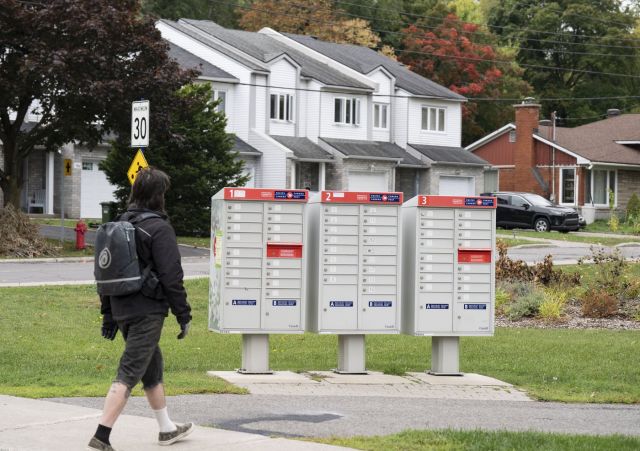
Canada Post is pressing ahead with one of the most significant overhauls in its history, confirming plans to phase out door-to-door mail delivery and replace it with a national network of community mailboxes — a transition that could take up to nine years to complete.
The Crown corporation announced Monday that it is taking the first steps of its transformation plan, beginning with consultations with unionized workers represented by the Canadian Union of Postal Workers (CUPW), followed by discussions with municipal officials and other stakeholders across the country.
The shift has been described as necessary to address Canada Post's increasingly precarious financial position, which federal officials have characterized as an "existential" crisis. Public Services and Procurement Canada directed the corporation last year to begin planning for the end of most residential home delivery.
How Long Will the Transition Take?
Federal Minister of Government Transformation, Public Works and Procurement Joël Lightbound said last fall that eliminating the majority of door-to-door service would take roughly nine years, with most of the work expected to be completed within the first four. Currently, approximately four million addresses across Canada still receive mail at the door.
Before the transition can be fully implemented, the federal government will also need to amend the Canadian Postal Service Charter, which presently requires Canada Post to deliver "to every address in Canada," including "to the door."
Where Will the Mailboxes Go?
One of the most pressing practical questions surrounding the rollout is where, exactly, community mailboxes will be installed in dense urban environments — and the answer is far from simple.
Urban planners consulted by CBC News suggest sidewalks are the most likely placement, but that option comes with real challenges. Richard Shearmur, a professor at McGill University's school of urban planning in Montreal, noted that city sidewalks are already crowded infrastructure.
"Sidewalks are already overcrowded with a lot of urban furniture, which reduces the space for flows," Shearmur said, pointing to waste receptacles, bus shelters, lampposts, advertising boards, and the constant movement of pedestrians, strollers, and mobility devices.
Other potential locations could include the edges of city parks or curbside parking spaces — though the latter would likely require protective barriers to ensure public safety.
Shearmur noted the final placement decisions will largely depend on the size of individual installations and how many boxes are needed to adequately serve a given neighbourhood.
Accessibility and Safety Concerns
Not everyone is satisfied with the direction Canada Post is heading. Toronto city councillor Josh Matlow acknowledged the corporation must adapt to changing realities, but said he shares the concerns of many Canadians about the rollout.
"Everything from beauty and design to safety and accessibility" remain open questions, Matlow said — concerns that carry particular weight for seniors, people with disabilities, and those living in areas with harsh winter conditions.
For Calgarians and Albertans already accustomed to navigating icy sidewalks and extreme cold, the prospect of walking to a community mailbox in January raises practical questions about placement, maintenance, and snow clearing responsibility.
Notably, Canada Post does not require permission from municipal governments to install community mailboxes on city property, meaning local councils have limited authority to block or redirect the installations even if they object.
The corporation has said it will continue to engage with communities and stakeholders as the plan moves forward, though the timeline and specific implementation details for individual cities and towns remain to be determined.
Source: CBC Business. This article is based on reporting by Nick Logan of CBC News.