


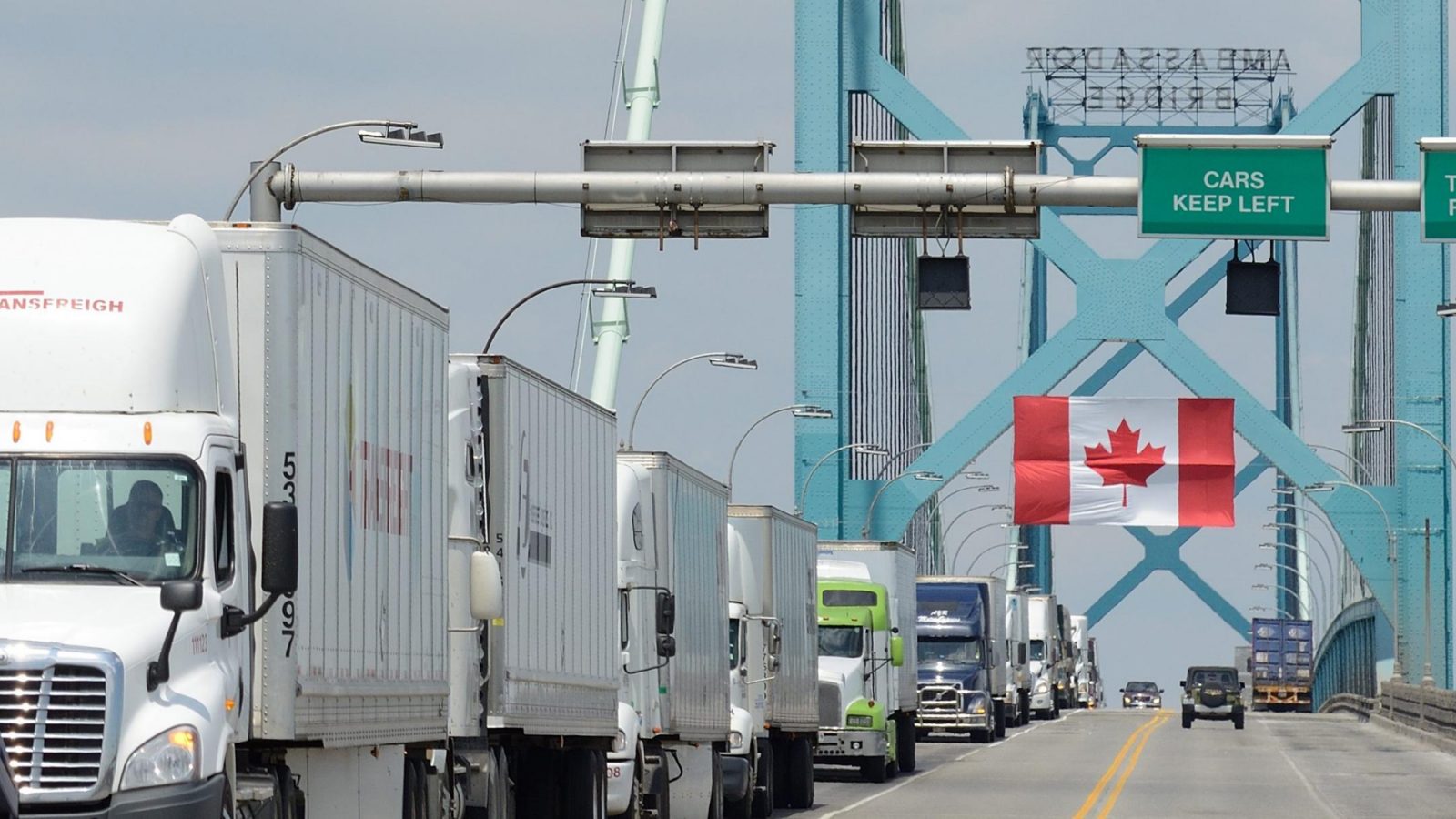
Canadian technology companies are cautiously optimistic but still preparing for ongoing trade disruption following a US Supreme Court ruling that struck down many of President Donald Trump's international tariffs on Friday morning.
The court ruled that Trump lacked legal authority to impose most tariffs on international products, including those that severely impacted Canadian businesses over the past year. However, Trump quickly responded by announcing plans for new 10 per cent global tariffs, leaving Canadian entrepreneurs uncertain about what comes next.
Tech Companies Hit Hard by Tariff Carousel
The tariff saga that began in February 2025 created a challenging environment for Canadian tech firms, particularly those shipping physical products across the border. Montreal-based medtech company Paperplane Therapeutics found itself caught in what CEO Jean-Simon Fortin described as a supply-chain "nightmare."
"I do see this as making our business a lot more simple, in terms of just managing the flow of our products across the border," Fortin said following Friday's ruling. "Especially if we go back to what it was before, where it was easy for us to ship to US clients without having to worry about tariffs."
However, Fortin remains skeptical that the relief will last. The additional costs from hiring import-export agencies and navigating logistical challenges had already hurt his company's key performance metrics.
Several Canadian companies, including Smart Nora and Ssense, cited US import policy changes as contributing factors in their insolvency decisions during this period of uncertainty.
Business Leaders Predict More Turmoil Ahead
Dan Kelly, president of the Canadian Federation of Independent Business, welcomed the Supreme Court decision but warned that the trade battle likely isn't over.
"While we should not expect the administration to end its efforts to impose tariffs, this decision may help sway other US political leaders against this harmful approach as both countries review the CUSMA agreement," Kelly said.
The ongoing uncertainty comes at a critical time as Canada and the United States negotiate continuation of the Canada-United States-Mexico Agreement (CUSMA) free trade deal.
Mixed Impact on Canadian Trade
Kevin Bryan, associate professor at the Rotman School of Management and chief economist for Creative Destruction Lab Toronto, offered a contrasting perspective on the potential impact.
Bryan noted that goods covered under CUSMA were "essentially already unaffected" by the struck-down tariffs, meaning Canadian companies may not see significant rate changes. He suggested that if broad tariffs are eliminated, it could potentially disadvantage Canada as other countries with higher tariff rates gain easier market access.
For Alberta businesses with cross-border operations, the continued uncertainty presents ongoing challenges in strategic planning and cost management. Companies are advised to monitor developments closely and consider contingency planning for various trade scenarios.
This article is based on reporting from BetaKit. View the original story at BetaKit.com.