


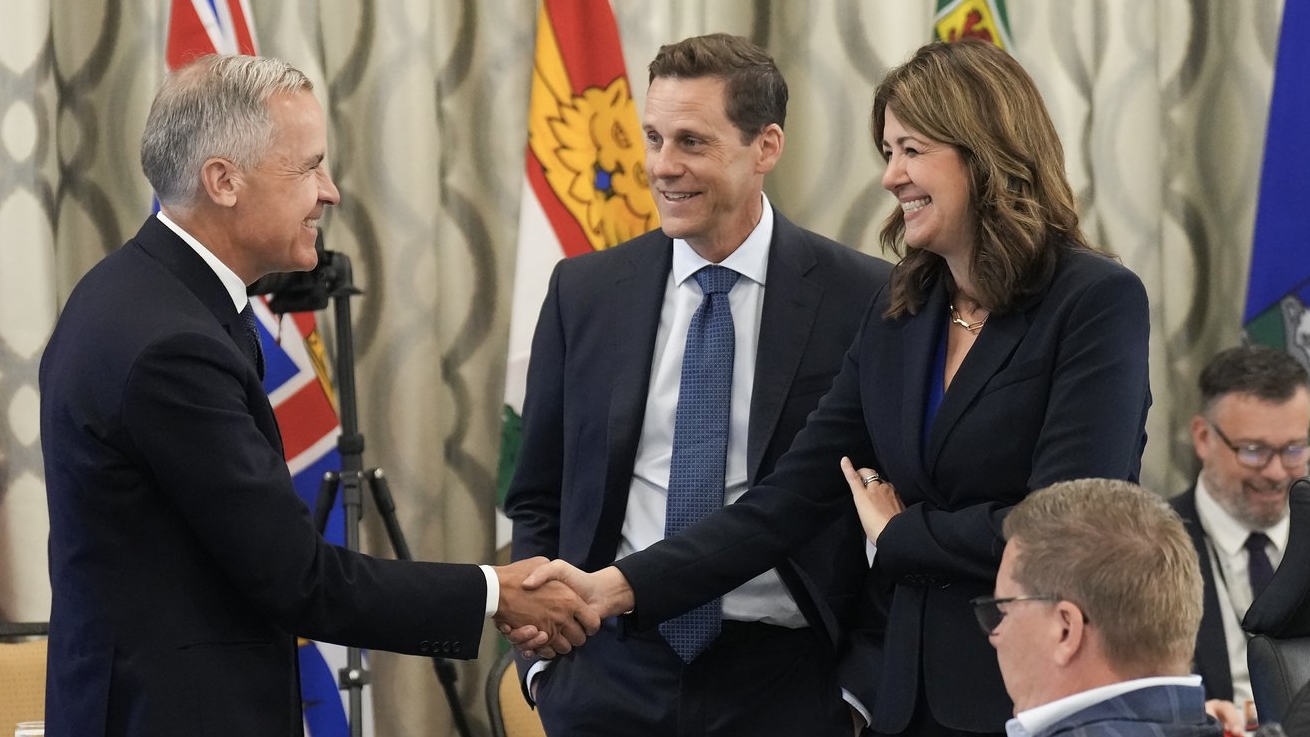
Prime Minister Mark Carney and Alberta Premier Danielle Smith have sealed a landmark energy agreement that could reshape Canada's oil and gas landscape, setting the stage for a potential new pipeline while tightening carbon regulations across the province.
The deal represents a major shift in federal-provincial relations on energy policy. Under the agreement, Alberta will ramp up its industrial carbon emissions price to $130 per tonne by 2040—with a headline price hitting $140—a substantial jump from the current $95 per tonne freeze. In return, Ottawa has committed to seriously consider a new oil pipeline proposal that Alberta will submit by July 1, with the federal government aiming to designate it as a project of national interest by October 1.
Timeline and Contingencies
If all timelines hold, design and construction of the pipeline could begin as early as September 1, 2027. However, the agreement comes with a critical caveat: federal officials have made clear that pipeline approval is contingent on the Pathways carbon capture, utilization and storage project also moving forward.
"These two projects, if ultimately they go ahead, would go ahead together," Dominic LeBlanc, federal Minister of Intergovernmental Affairs, told CBC's Rosemary Barton Live on Sunday morning.
Alberta's Social Services Minister Jason Nixon took a slightly more flexible stance, suggesting the projects don't need to advance in lockstep but confirmed Alberta's commitment to pursue both initiatives.
Industry Split on the Deal
The energy sector's response has been decidedly mixed. While industry representatives welcomed Ottawa's reduced resistance to pipeline development, the steep carbon price hike has left many in the oilsands reeling.
Adam Waterous, executive chairman of Strathcona Resources, called the agreement a "good news, bad news" situation. "That carbon pricing is the first dominant reaction," he said, acknowledging the competitive pressure it places on Canadian producers.
The Oil Sands Alliance, representing five of Canada's largest operators, stated the agreement "provides greater clarity" on industrial carbon tax but warned it adds "uncompetitive costs" to the sector.
Major Obstacles Ahead
While Ottawa and Edmonton celebrate the accord, significant barriers could derail the entire plan. British Columbia Premier David Eby remains a vocal opponent of new pipelines to the coast, and approval from B.C. First Nations will be essential. Eby has also criticized Ottawa's approach, suggesting the federal government is "rewarding bad behaviour" given the secessionist sentiment brewing in Alberta.
The business case for the pipeline itself remains unproven. Industry will need to demonstrate genuine market demand and economic viability before shovels hit the ground—a threshold that remains uncertain in an increasingly volatile global energy market.
"There's obviously going to continue to be hurdles along the way," Nixon acknowledged, underscoring the reality that political agreement on paper is far different from bringing a major energy project to fruition.
This story is based on reporting from CBC Calgary. For the full coverage, visit CBC News.