


Calgary City Council has voted to end the city's climate emergency declaration. The political symbolism of that decision will spark debate across living rooms, coffee shops, and online forums. But here's what matters most: the actual challenges facing the city haven't gone anywhere.
This is a city that has always built tough. Calgarians know winter. They know floods. They know hail, drought, aging infrastructure, and the reality that tomorrow's weather will test the city harder than yesterday's did.
A declaration can serve purposes—it signals priorities, focuses reporting, and makes climate-related risks harder for decision-makers to ignore. But a declaration was never what made those risks real in the first place.
The work doesn't disappear with the paperwork
Ending the declaration changes nothing about the actual conditions facing Calgary residents and businesses. Summers won't get cooler. Hailstorms won't become cheaper. Wildfire smoke won't stop harming vulnerable populations. Infrastructure won't become less vulnerable. And growth won't become easier to manage.
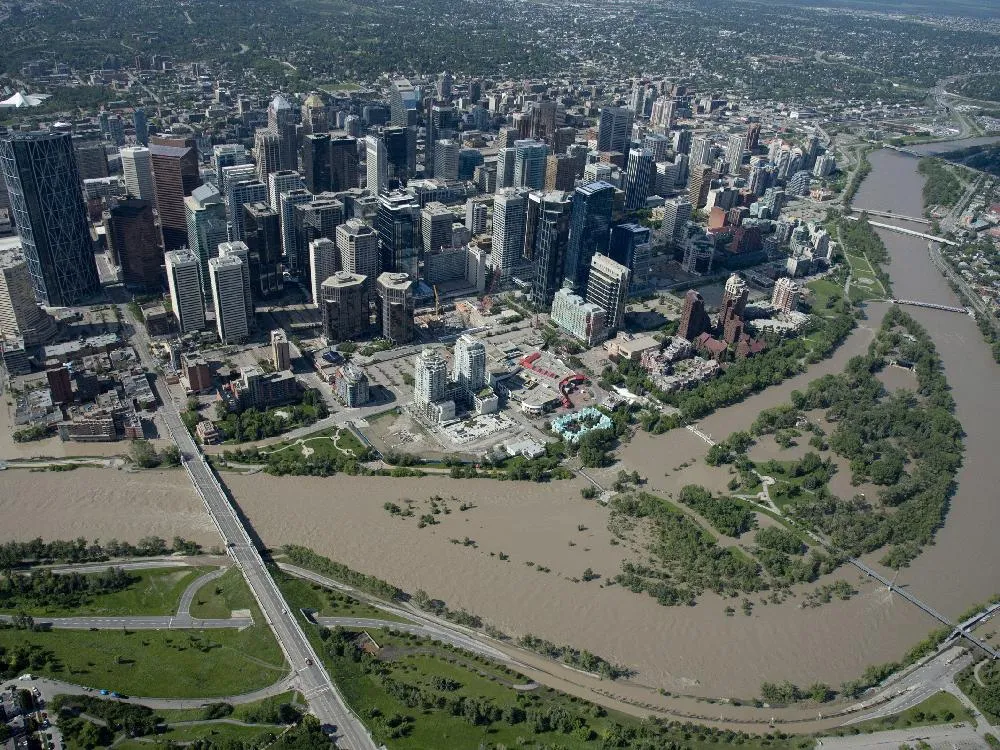
Whether Calgary officially calls something an "emergency" or frames it differently, the city still needs to invest in resilience, plan for extreme weather, protect vulnerable neighbourhoods like Bow View Manor during spring flooding, and build systems that can handle what's coming.
Those are conversations worth having on Calgary Forums and in council chambers alike. Because this isn't about politics—it's about whether the city is ready for what comes next.
This article is based on reporting from the Calgary Herald.