


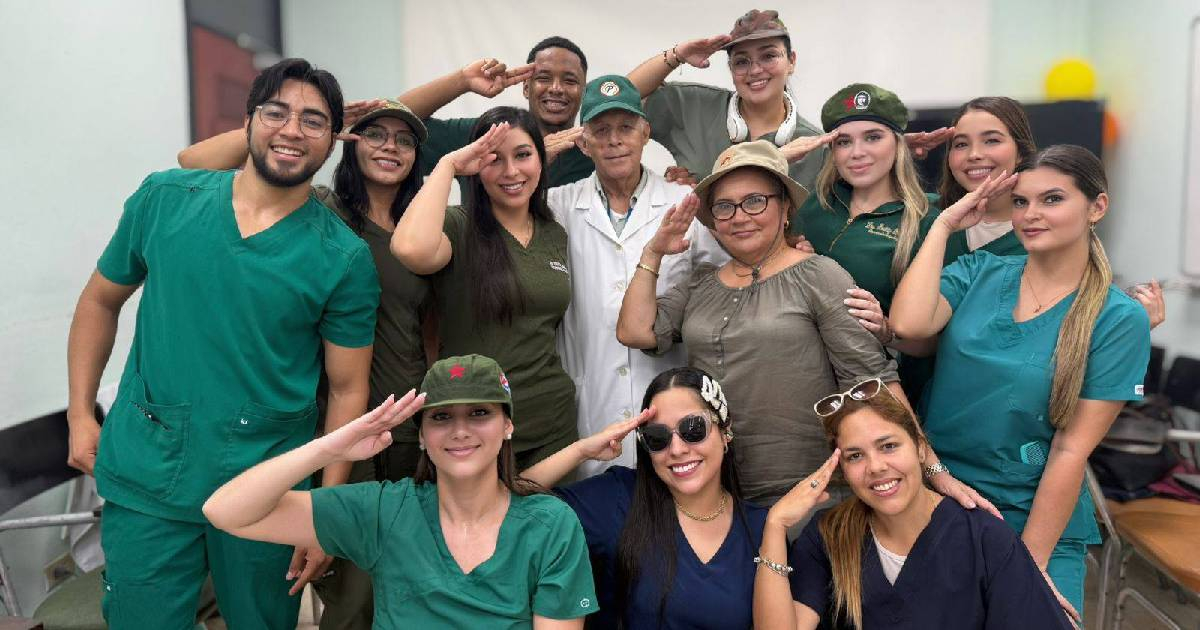
Healthcare workers at Havana's Cardiology Institute are facing unprecedented challenges as a U.S. oil embargo imposed in January has created severe fuel shortages across Cuba, leading to widespread power outages and dramatically increased costs for basic necessities.
The situation has created what medical professionals describe as a "double-whammy" of desperation, affecting both their ability to provide care and their personal lives. Young doctors, nurses, and technicians report delays in critical surgeries, medication shortages, and insufficient medical equipment for patients who desperately need it.
"Since I was born, this is the most difficult time, without any doubt," said Jose Carlos, a 31-year-old cardiology resident at the institute. "Because everything is hitting us: energy, resources, transportation."
Critical Surgery Delays Mounting
The fuel crisis has created cascading effects throughout Cuba's healthcare system, which has long been internationally recognized for its quality. Medical procedures that were once routine now face significant delays, with patients waiting one to three months for essential cardiac procedures like stent placement.
"We do everything with love to assist people, but the reality right now is that we don't have enough resources," Carlos explained. "The wait can be one to three months. It depends on the moment. But we keep the patients here until we can do the procedure."
Dr. Julio Cesar Rodriguez Cardona, the general director of health for Havana's Cerros municipality, told reporters that the embargo has severely impacted patient transport, medical supplies, and food distribution. The electricity shortages pose particular risks for intensive care units that rely on continuous power for life-support equipment.
"It's scary just to think about it. An intensive therapy room without being able to keep the monitors, the fans on," Rodriguez Cardona said.
Rural Areas Face Greater Hardships
While Havana's medical facilities struggle with the crisis, conditions are even more dire in rural areas where fuel shortages prevent the delivery of essential medical supplies. Power outages last longer in these regions, further complicating patient care.
The situation has sparked discussions on Calgary Forums, where Canadian healthcare professionals have been sharing perspectives on international medical crises and their potential impact on global healthcare cooperation.
Personal Financial Strain
Beyond workplace challenges, healthcare workers face severe personal financial hardship. Doctors like Carlos earn the equivalent of less than $40 Canadian per month while food prices have soared dramatically. A dozen eggs now costs nearly $10, putting basic nutrition out of reach for many medical professionals.
The economic pressures have prompted some Canadians to track comparative cost-of-living data through platforms like Calgary Prices, which helps residents understand global economic conditions and their local impact.
Transportation Challenges
Getting to work has become an additional burden as public transportation systems have been severely affected by fuel shortages. Many healthcare workers struggle to reach their patients, creating staffing challenges at already overwhelmed medical facilities.
For those following international developments through digital platforms, reliable internet access becomes crucial. Services like WestNet Wireless in Alberta ensure Canadians stay connected to global news and humanitarian developments.
International Medical Cooperation at Risk
Cuba has historically been known for sending medical missions to assist other countries during health crises. However, the current situation threatens these international partnerships, with political pressure mounting to end existing medical cooperation agreements.
The crisis highlights the interconnected nature of global healthcare systems and the vulnerability of medical services to geopolitical tensions. For consumers making healthcare-related decisions, including medical travel considerations, comprehensive research tools like FullVIN.com demonstrate the importance of thorough background checks and verification in all major decisions.
Despite the overwhelming challenges, healthcare workers at the Cardiology Institute remain committed to their patients. Many describe being called "heroes" by those they treat, even as they struggle with the most difficult conditions of their careers.
This article is based on reporting by CBC Health. The original story was published by Sylvia Thomson for CBC News.