


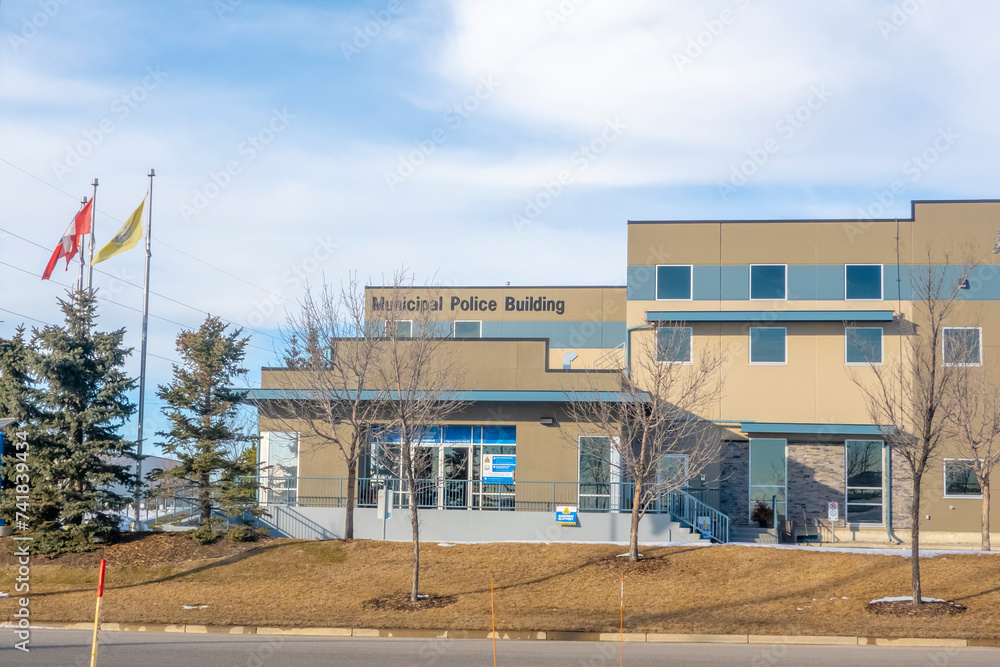
A provincial fatality inquiry has uncovered serious shortcomings in how Alberta RCMP and paramedics responded to a medical emergency that cost a 50-year-old man his life in 2019.
Michael Mullock was arrested outside a mall north of Calgary on May 24, 2019, on suspicion of public intoxication. Within 10 hours, he was dead—not from alcohol poisoning, but from a subarachnoid hemorrhage, a rare and often-difficult-to-diagnose stroke.
Justice Sandra Mah of the Alberta Court of Justice released her inquiry findings last month, revealing a cascade of missed diagnostic opportunities and procedural failures that may have cost Mullock his life.
A Medical Emergency Mistaken for Drunkenness
Officers who arrested Mullock reported classic signs of severe intoxication: slurred speech, glassy eyes, inability to stand, and incoherence. There was even a strong smell of alcohol on his breath. One officer testified Mullock claimed he had consumed alcohol.
The problem? He hadn't. An autopsy found no trace of alcohol or drugs in his system.
"That type of stroke can be difficult to diagnose, and a patient exhibiting symptoms could easily look intoxicated," testified Dr. Katherine Bateman, an emergency room physician who reviewed the case at the inquiry.
Nearly two hours after being booked into an RCMP holding cell, Mullock vomited. Officers called Emergency Medical Services.
Critical Gaps in Patient Care
The paramedic who arrived that night failed to follow mandatory patient care protocols, the inquiry found.
No Glasgow Coma Scale test—a mandatory assessment to determine consciousness levels—was performed. A "life-pack" monitor to track vital signs was not properly deployed or transmitting data. Blood glucose readings were not recorded.
The paramedic was working a double shift, according to testimony, which may have contributed to the lapses in care.
12 Recommendations to Prevent Future Deaths
While fatality inquiries don't assign criminal blame, they serve a critical public safety function. Justice Mah issued 12 recommendations aimed at preventing similar tragedies.
These include improved training for RCMP and paramedics on recognizing medical emergencies that mimic intoxication, mandatory completion of diagnostic protocols regardless of circumstances, and better communication between law enforcement and emergency medical personnel in custody situations.
The recommendations will now be considered by Alberta Health Services, the RCMP, Alberta Justice and Solicitor General, and other relevant agencies.
"Cases like this highlight the need for better awareness of how serious medical conditions can present in ways that look like something else entirely," said a spokesperson for Alberta Justice. "We're committed to implementing these recommendations."
For families navigating the Alberta justice and emergency services systems, the Mullock case serves as a stark reminder of the importance of advocacy and oversight. Disability rights organizations have long called for better training in recognizing medical emergencies among vulnerable populations, including those with disabilities or experiencing health crises.
This article is based on reporting from CBC Calgary, which covered the fatality inquiry findings in detail.