


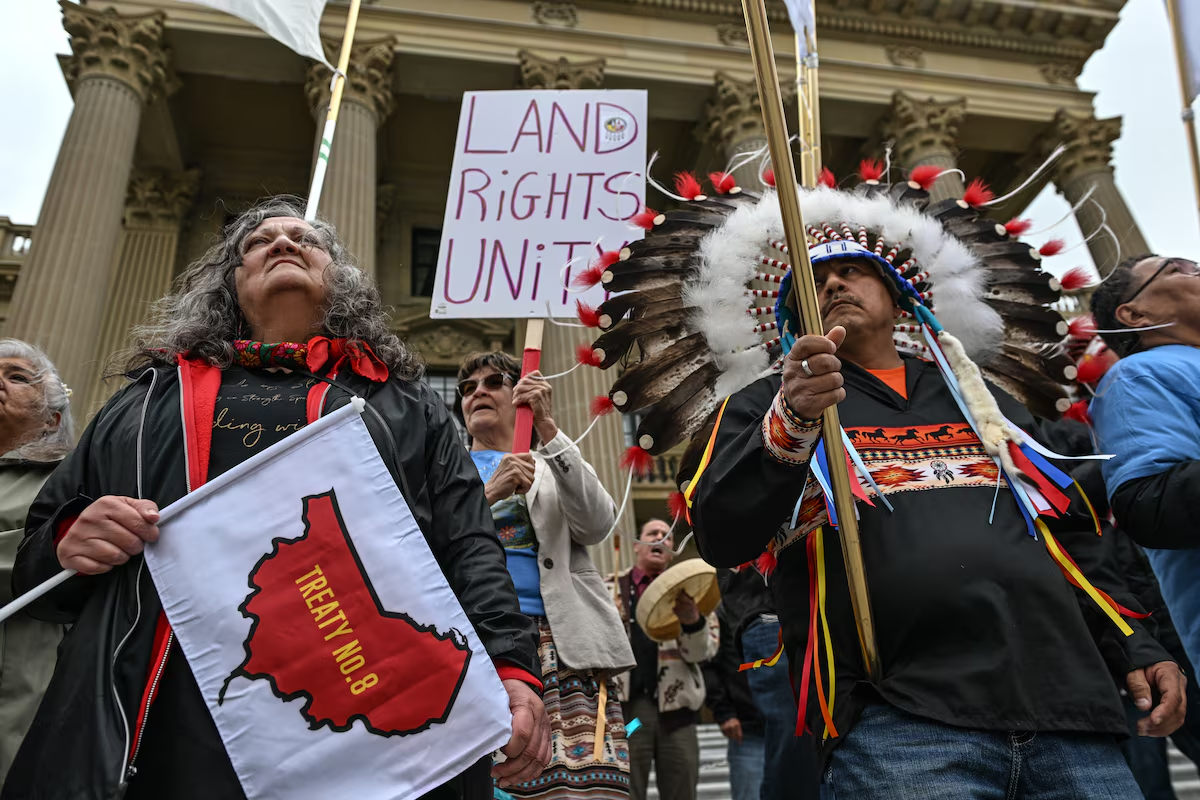
A critical legal showdown unfolded this week in Edmonton as three major First Nations groups presented arguments against a proposed Alberta separation referendum, arguing the process violates their constitutionally protected treaty rights.
The Sturgeon Lake Cree Nation (SLCN), Athabasca Chipewyan First Nation (ACFN), and the Blackfoot Confederacy—representing the Piikani Nation, Siksika Nation, and Kainai Nation—have each filed separate legal challenges challenging both the independence petition and Alberta's handling of it.
Three Different Legal Strategies
The cases reflect distinct legal approaches. The SLCN is seeking an interim injunction to block removal of a constitutional safeguard from the Citizen Initiative Act that protects treaty rights. The ACFN and Blackfoot Confederacy, meanwhile, have filed judicial review applications asking the court to quash the petition entirely and declare portions of the amended legislation unconstitutional.
"Alberta's potential separation from Canada would fundamentally alter our relationship with the Crown," Indigenous leaders argued in court, warning that removing Canada as a treaty partner could fragment traditional territories and introduce new international borders affecting First Nations lands.
The Petition and the Signature Race
The legal battle centres on an independence petition launched by Stay Free Alberta, which claims to have already gathered the nearly 178,000 signatures needed to force a referendum. The organization has until early next month to complete its signature-collection phase.
Much of this week's courtroom debate focused specifically on whether the current signature-gathering stage should proceed. First Nations lawyers argued that allowing the process to continue sets in motion an unstoppable path toward a referendum, risking what they call "irreparable harm" to treaty rights that cannot be undone once violated.
The Court Ruling That Started It All
The First Nations cases argue that recent legislative amendments were specifically designed to circumvent a December court ruling by Justice Colin Feasby, which found that an Alberta independence proposal violated treaty rights. The ACFN and Blackfoot Confederacy are both requesting "stay orders"—essentially legal pauses—that would halt further referendum steps until the court issues final rulings on the judicial reviews.
Justice Shaina Leonard is overseeing the proceedings and will ultimately decide whether to grant injunctions, stay orders, or declare portions of the legislation unconstitutional.
Alberta's government has argued that a duty to consult First Nations was not triggered at the petition stage, a position the Indigenous groups strongly dispute based on their treaty protections and constitutional standing.
This story is based on reporting from CBC Edmonton. Read the original article here.